
the Tuolumne
Guardian
SUMMER 2026

First Wild Experiences

The Road Back to the River

Impact by the Numbers

1,075 new trees are taking root

Your Helping a River Meander
Dear Friends,
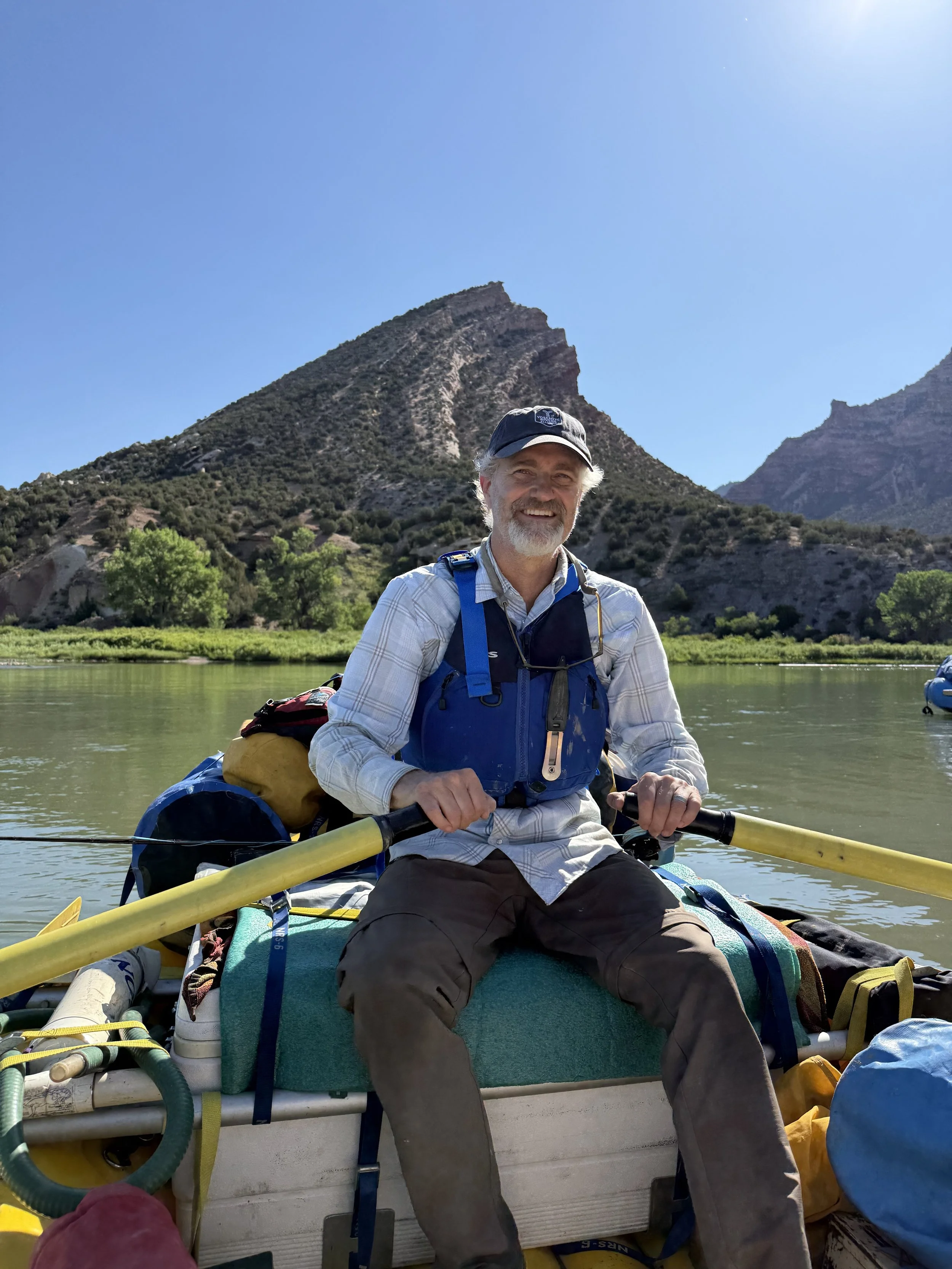
By June, the high country above Yosemite had already traded its last snow for wildflowers, and I traded my desk for a river of my own. I spent part of early summer on the Green River through Dinosaur National Monument, with my family and a few old friends I first explored western rivers with as graduate students at UC Davis. My daughter took over the oars. My son landed a twenty-two inch brown trout he is still telling everyone about.
Every river I've paddled teaches some version of the same lesson: water moves because something upstream lets it go, and something downstream is ready to receive it. That is as true of a mountain snowpack as it is of the support that carries this work forward.
While I was away, that support never paused. Field crews kept thinning forest ahead of fire season. Young people from the Central Valley spent their first nights ever camping beside the Tuolumne through our Explore Parks program.
Restoration crews at La Grange kept reshaping the river channel, opening a better path home for salmon. None of it slowed down, because you didn't slow down. We closed the fiscal year on strong footing, carried by the generosity of supporters like you, and that strength is already funding the season ahead.
This summer, more Central Valley families will see the Tuolumne up close, some for the first time. Trees planted in the Rim Fire's old burn scar are taking root through their first summer. None of it happens without you standing upstream of it all.
Thank you for keeping this work flowing, in every season, in every corner of the watershed.
With gratitude,

Patrick Koepele
Executive Director
Yosemite Rivers Alliance
Our first
Explore Parks
camping trip
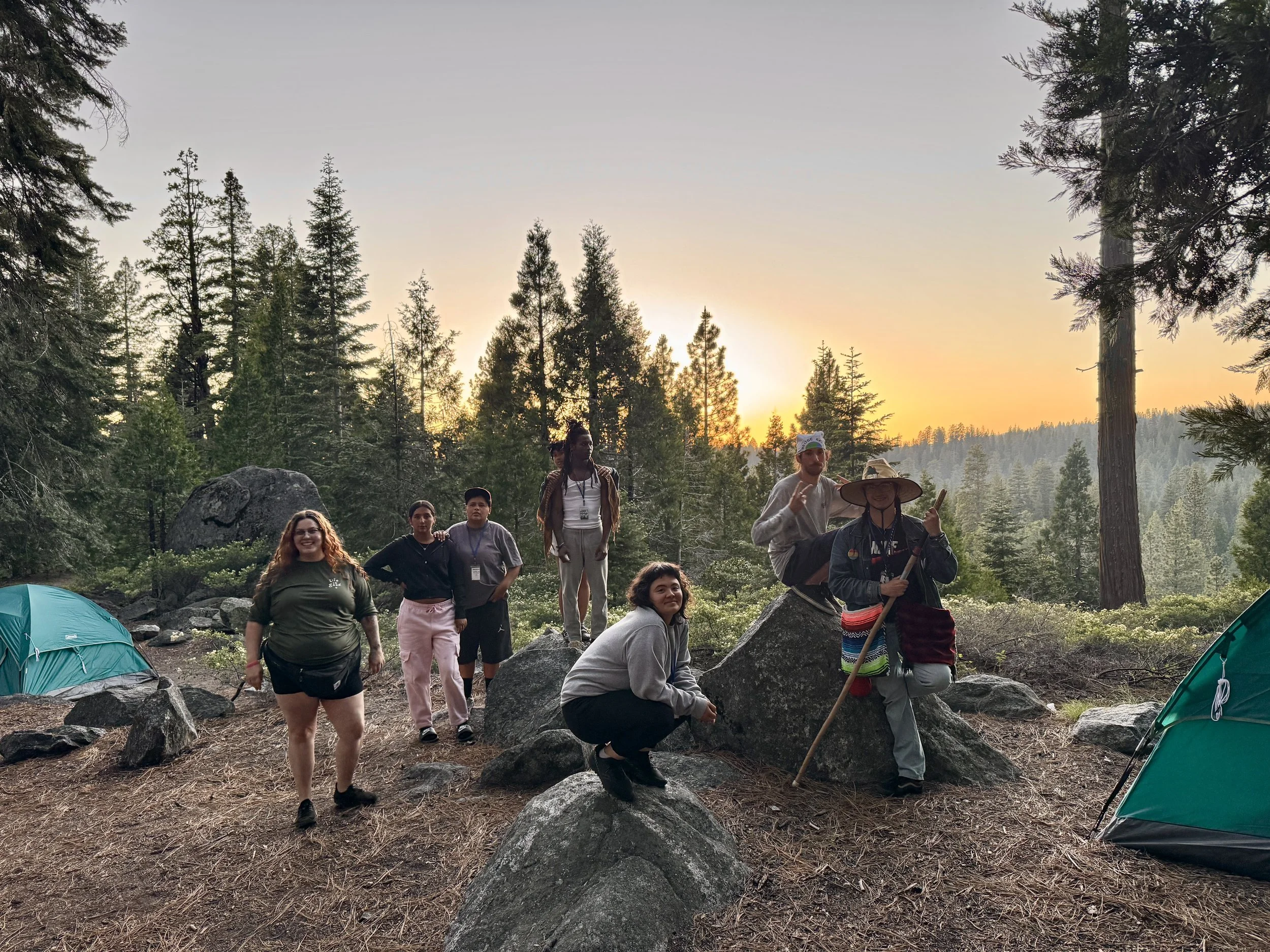
Eleven young adults from Modesto spent three days in the Stanislaus National Forest and came home asking how to get back.
Robert hadn't left Stanislaus County in more than two years.
On the last morning of our camping trip at Pinecrest Lake, as the group gathered for a final reflection circle, he wanted to say something. "Thank you guys for allowing us to come out here," he told the staff. "Coming out here made me realize that there's more to life than just being in one place."
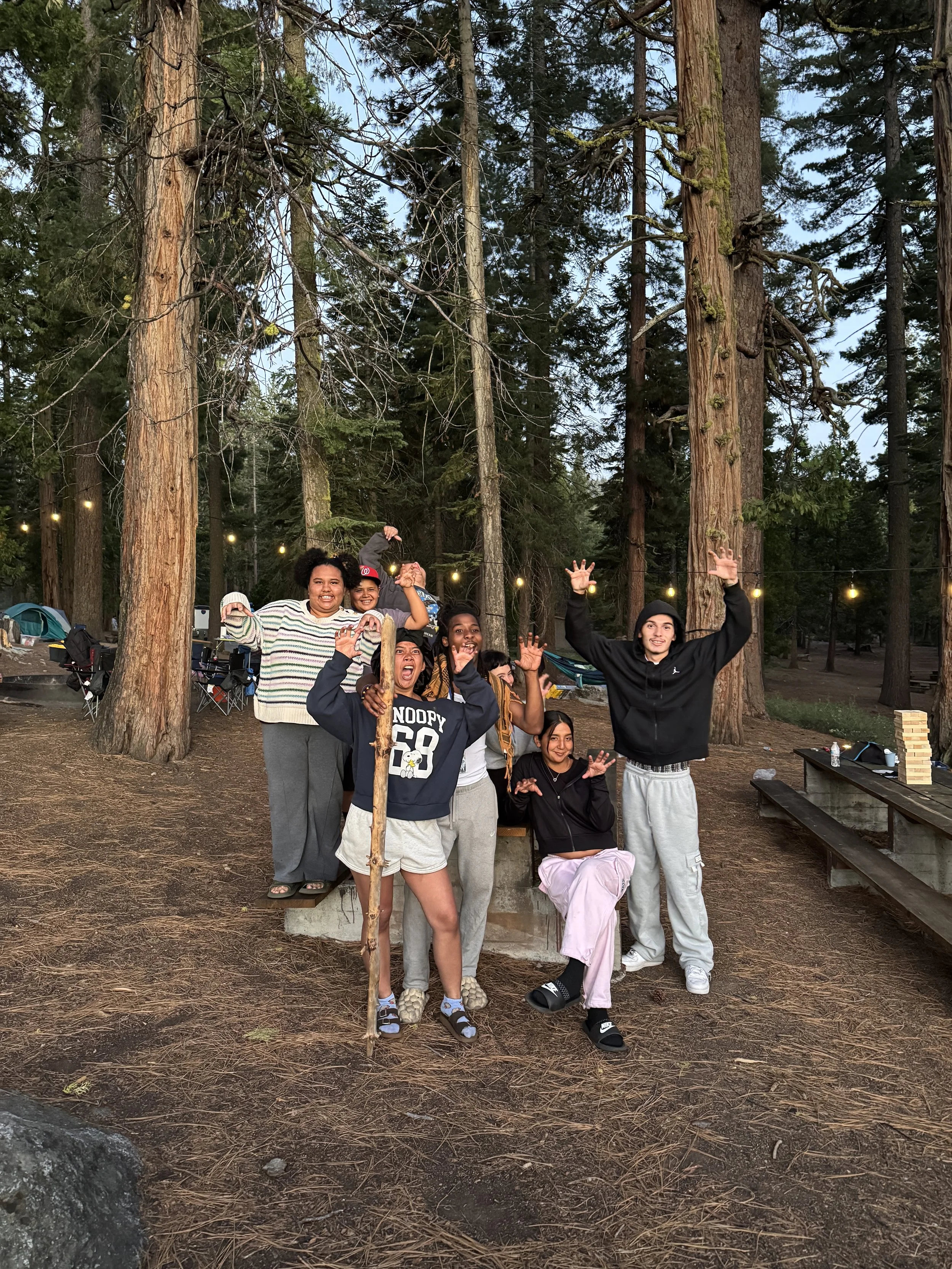
That's the heart of Explore Parks, our newest Central Valley program. In early June, we held its first camping trip — two nights and three days at the Pinecrest group campground in the Stanislaus National Forest — with eleven young adults, ages 18 to 24, from Center for Human Service's Youth Navigation Center, a Modesto shelter for young adults facing housing insecurity.
For most of them, everything was a first. First time camping. First time sleeping in a tent. First time kayaking, making s'mores, seeing the Sierra Nevada up close, or standing under a sky full of stars.
Building camp, building leaders
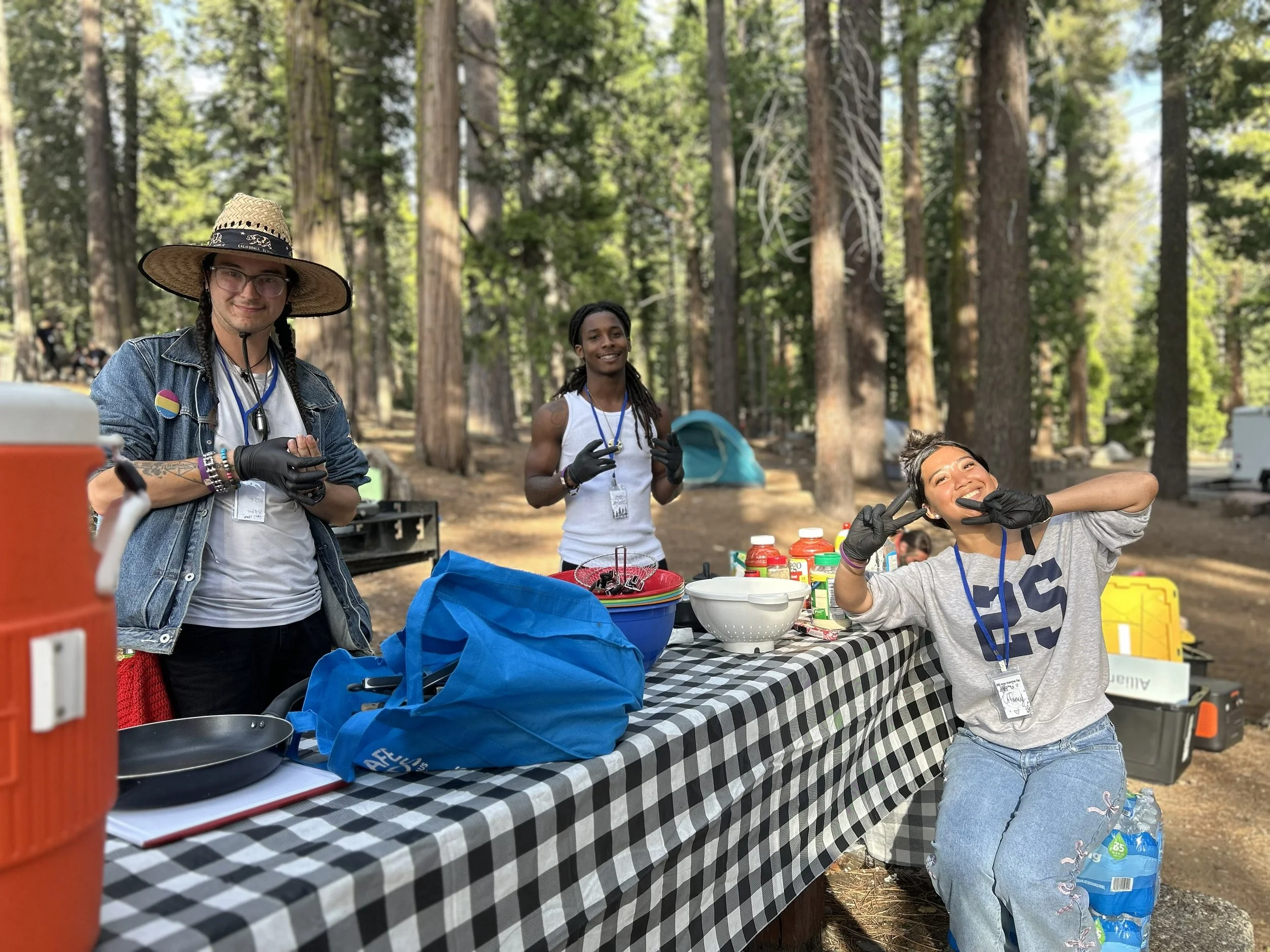
This program is about more than recreation. It's about building agency and leadership. Four participants stepped up as camp leaders, helping with equipment, organizing tasks, and guiding activities. Every meal had a rotating cooking team, serving team, and cleanup team, so everyone had a hand in making camp run.
The laughter never stopped, not even during dishwashing.
When someone struggled with their tent, others stepped in to help. When the campfire came out, so did the s'mores, a first for a few in the group. And when the sun went down, the group discovered what a night sky looks like without city lights.
"My absolute favorite thing is just being out in nature," shared Rose, one of the participants. "Especially when it was nighttime, and I was just sitting on the rock outside my tent, looking at the stars, it was just absolute silence after a while."
"You don't have to be blood to come together"
On the final morning, the group circled up to reflect. There were tears. There were hugs. And there was a theme that came up again and again: connection.
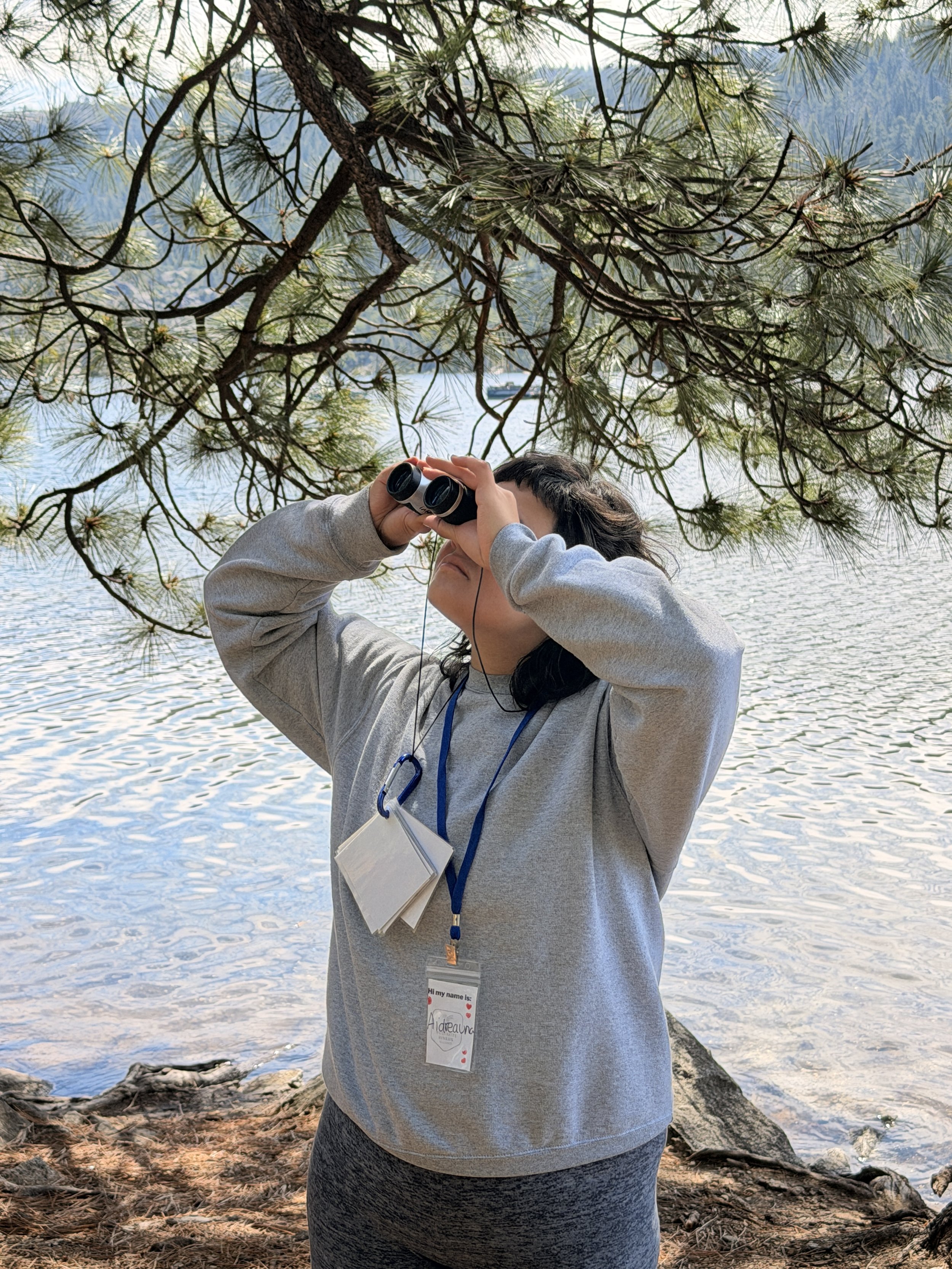
"I had the best time ever," shared Aidreana. "It goes to show that you don't have to be blood to come together as a community to have fun."
Participants asked how they could come back — with their friends, with their families. We sent everyone home with a post-trip resource guide for accessing camping and outdoor recreation on their own, because the goal was never a single trip. It's a lifelong relationship with the outdoors.
One participant summed up what they learned in a single line: "That I am able to reconnect with nature and gain new skills (find new parts out about myself)."
Removing every barrier
Explore Parks is largely funded through the California Natural Resources Agency's Youth Community Access grant program, part of the state's commitment to making the outdoors accessible for all Californians. That funding let us remove every barrier that keeps young people from places like Pinecrest.
The trip was completely free. We provided transportation, all meals, and brand-new camping gear — tents, sleeping bags, lanterns, and safety equipment purchased through the grant. Our team hitched up the camping trailer and the kayak trailer, and the whole crew caravanned up from the Central Valley into the pines.
Pinecrest also sits in a spot unique to our work: the area is split between two of the watersheds we protect, the South Fork of the Stanislaus River, which feeds the lake, and the North Fork of the Tuolumne. The group spent three days inside the very watersheds that help sustain their communities back home.
A day on the water
On day two, Genie Moore, Visitor Services Manager with the Forest Service at the Sugar Pine District, led the group on a hike along the dam, sharing how Pinecrest was formed and how granite tells the story of the Sierra. One participant later wrote that the most memorable thing they learned was "how granite is formed during tectonic plate movement." Another wrote: "I learned how to hike even though I'm scared of heights."
Then came the kayaks.
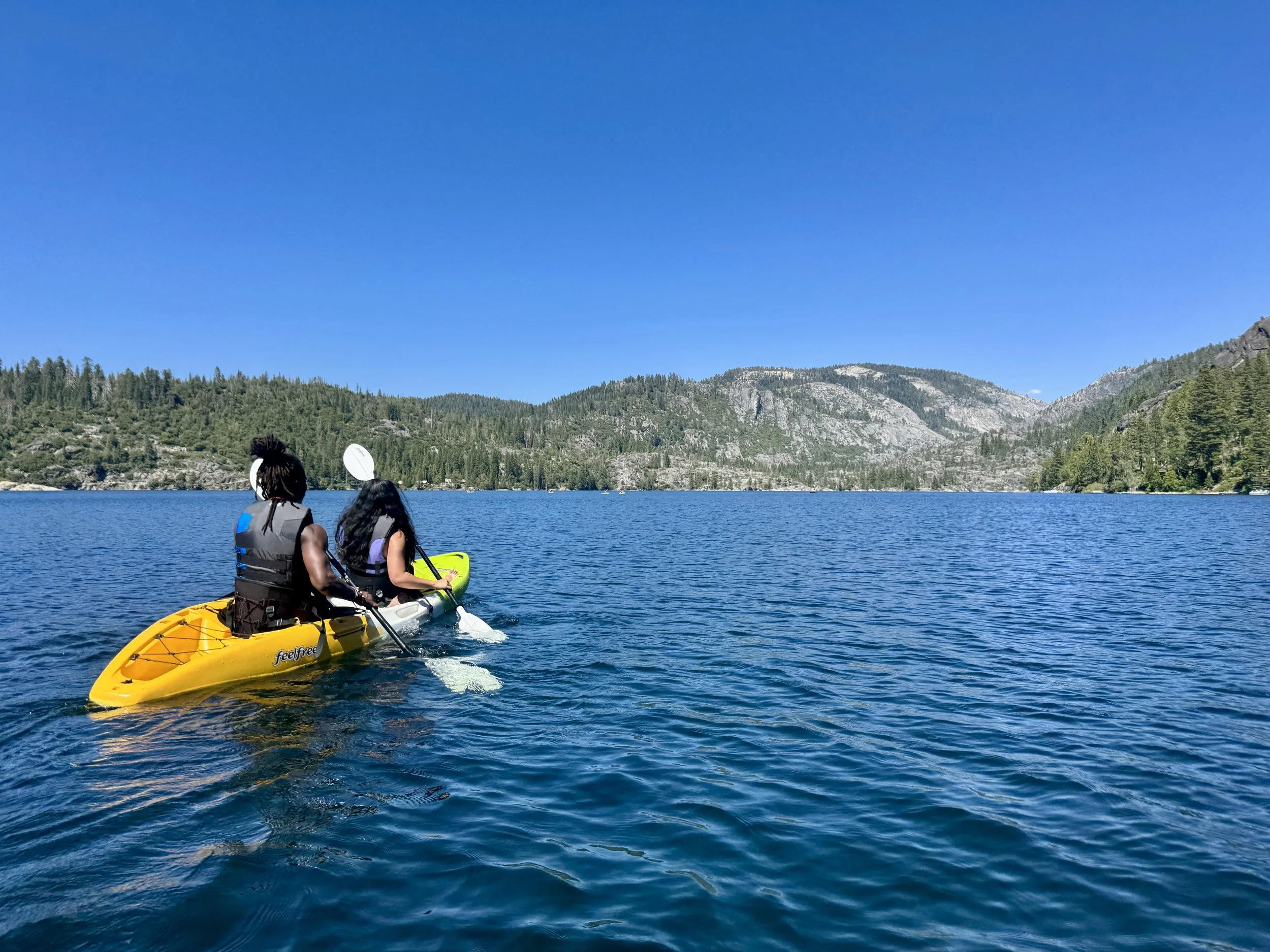
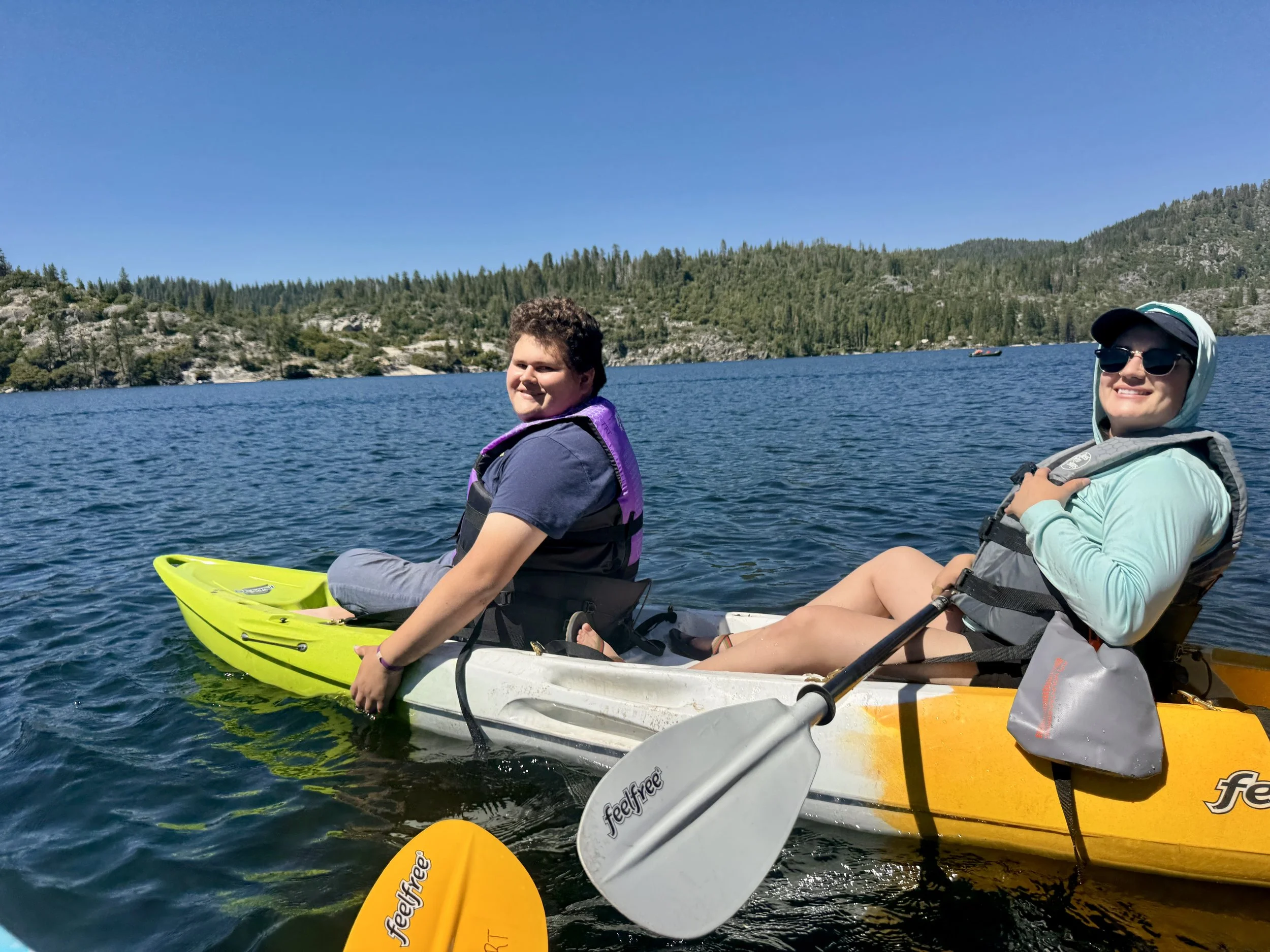
Many in the group were nervous about the water. But with encouragement, good equipment, and patient coaching, nearly everyone got out on the lake. For Christian, paddling a kayak on his own wasn't physically possible. As staff sorted out boats, two participants who had claimed a tandem kayak handed it over on the spot — they wanted him to experience the water too. Blanca, one of our staff, paddled Christian out onto the reservoir. Nearly everything that weekend was a first for him, from camping to using binoculars, and now he could add kayaking to the list.
Robert had said no to kayaking. Twice. But once he saw everyone on the water, he changed his mind — and soon he was cruising across the lake, laughing and smiling. "This is the best day ever," he said.
By afternoon, the group had claimed the public swim platform, running and jumping off it together like they were five years old again. Kyra, who started the day a little scared of the water, ended it swimming out to the platform on her own.
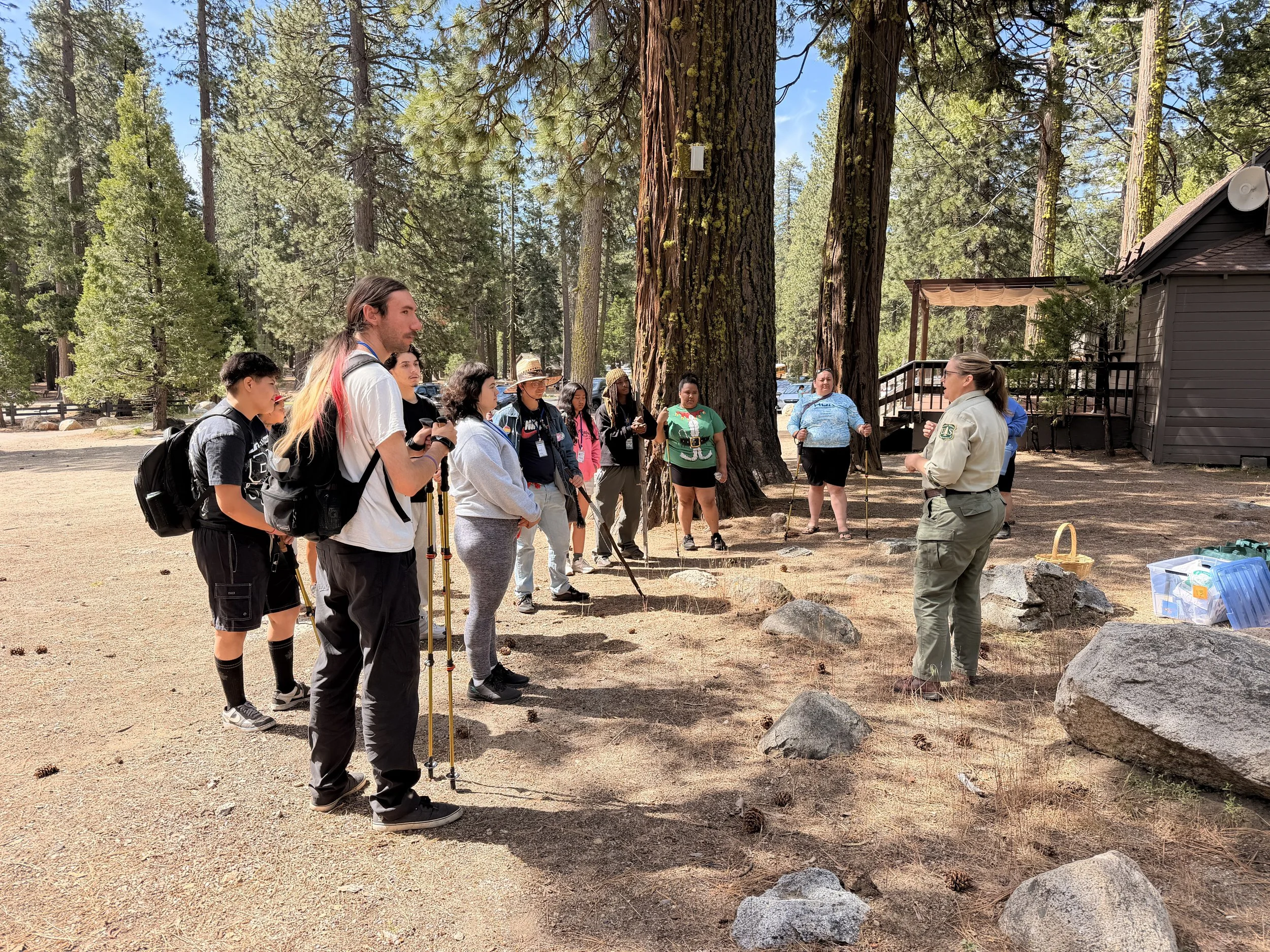
This is what access looks like
This is only the beginning for Explore Parks. Later this summer, we're bringing a second group to Pinecrest — this time, families from South Modesto, with kids in tow, kayaks in the water, and a menu built around the culturally relevant foods the moms have asked to cook themselves. We'll share that story soon, too.
None of this happens without support. Your gift helps us purchase gear, cover transportation, and hold space for more young people to have their own "there's more to life" moment on the water.
Your gift powers restoration — and it powers moments like this one. Join the Alliance and support Explore Parks.
With thanks to our partners at the Youth Navigation Center and Center for Human Services, and to the California Natural Resources Agency's Youth Community Access program for making this trip possible.
The Road
Back to
the river
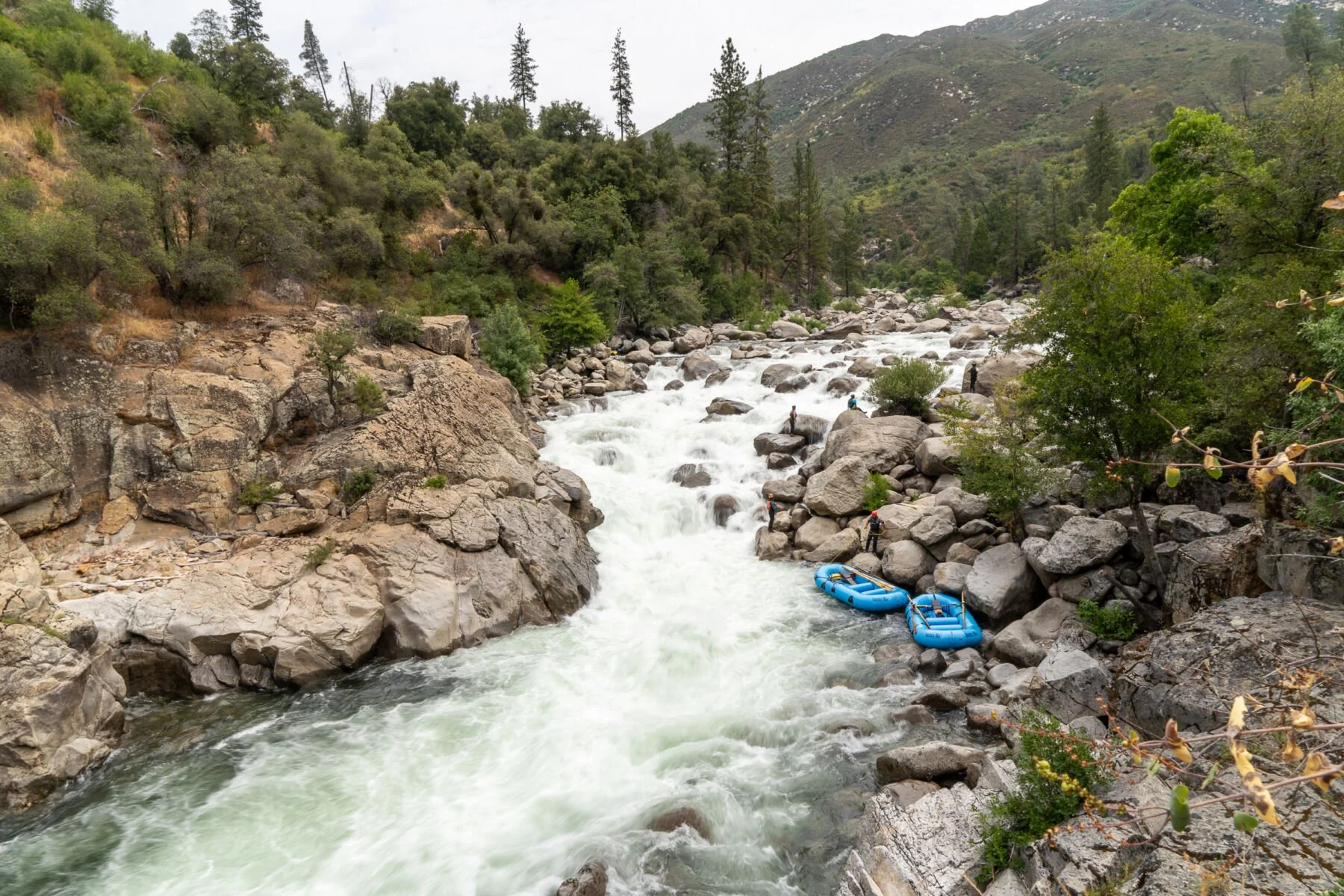
After three years of closure, the gateway to one of California's most beloved stretches of wild river is finally, officially open. Here's how we got here.
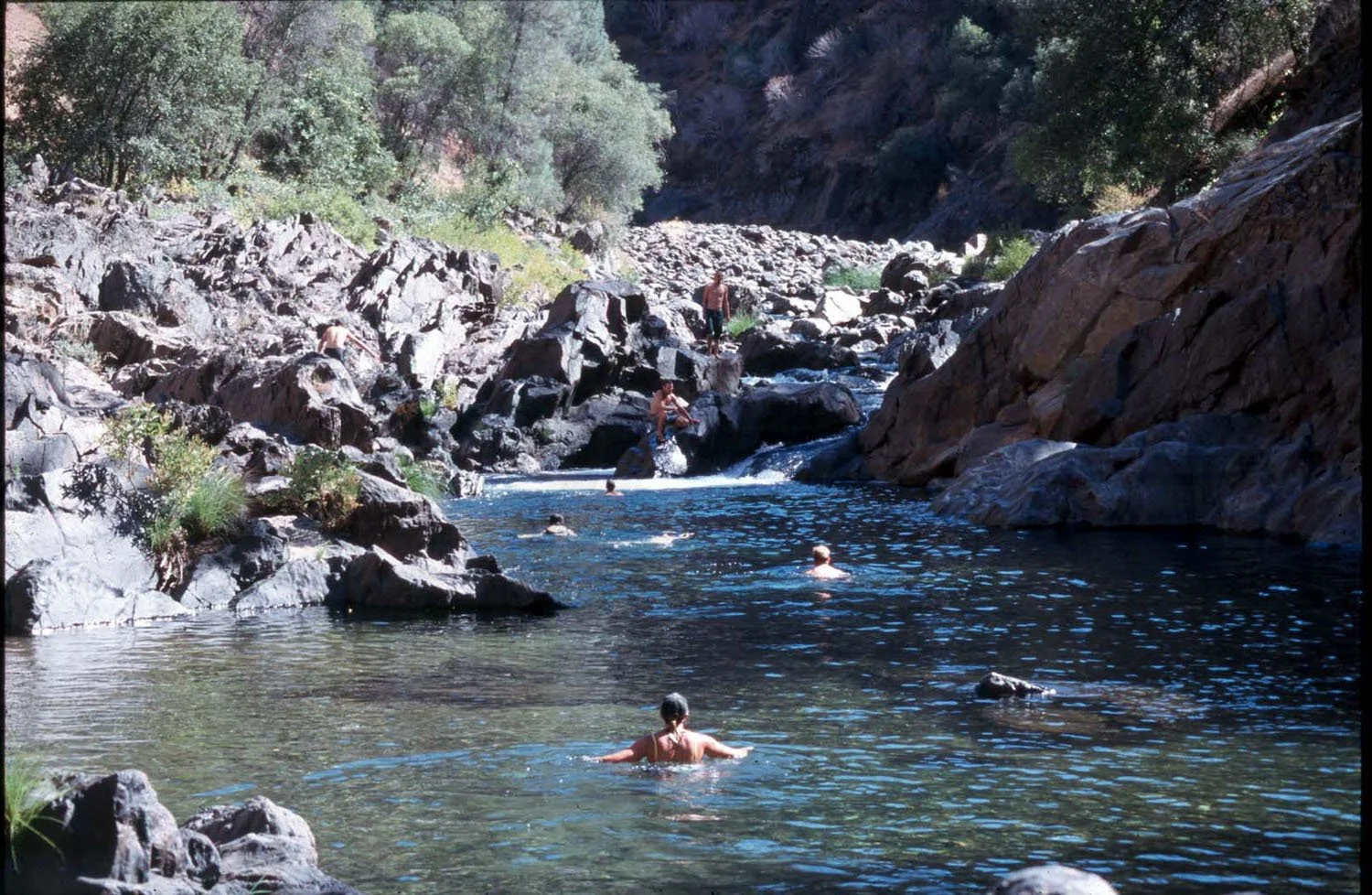
On a warm May morning, you can hear the Tuolumne River before you see it. The sound rises up from the canyon — a low, rushing roar that gets louder as the road winds down through oak and manzanita, past sun-warmed granite, until the river finally comes into view: cold, clear, and full of life.
For three years, that road was closed.
Lumsden Road — the primary public access point to the Wild and Scenic Tuolumne River at Meral's Pool — was washed out during the severe winter storms of 2022–23, cutting off one of the most storied whitewater runs in California and severing the public's connection to a river that sustains millions. Last week, after years of advocacy, coalition-building, and hard work by crews from two national forests, that road is open again.
It's a win. And it didn't happen by accident.
What was lost and why it mattered
Lumsden Road isn't just a road. It's the entry point to the Main Tuolumne and exit from the Cherry Creek/Upper Tuolumne whitewater river runs — stretches of the Tuolumne River that draws paddlers, anglers, and wilderness seekers from across the West. The launch at Meral's Pool is where generations of river runners have put in, where families have camped along the Tuolumne's banks, where the canyon opens up and the modern world falls away.
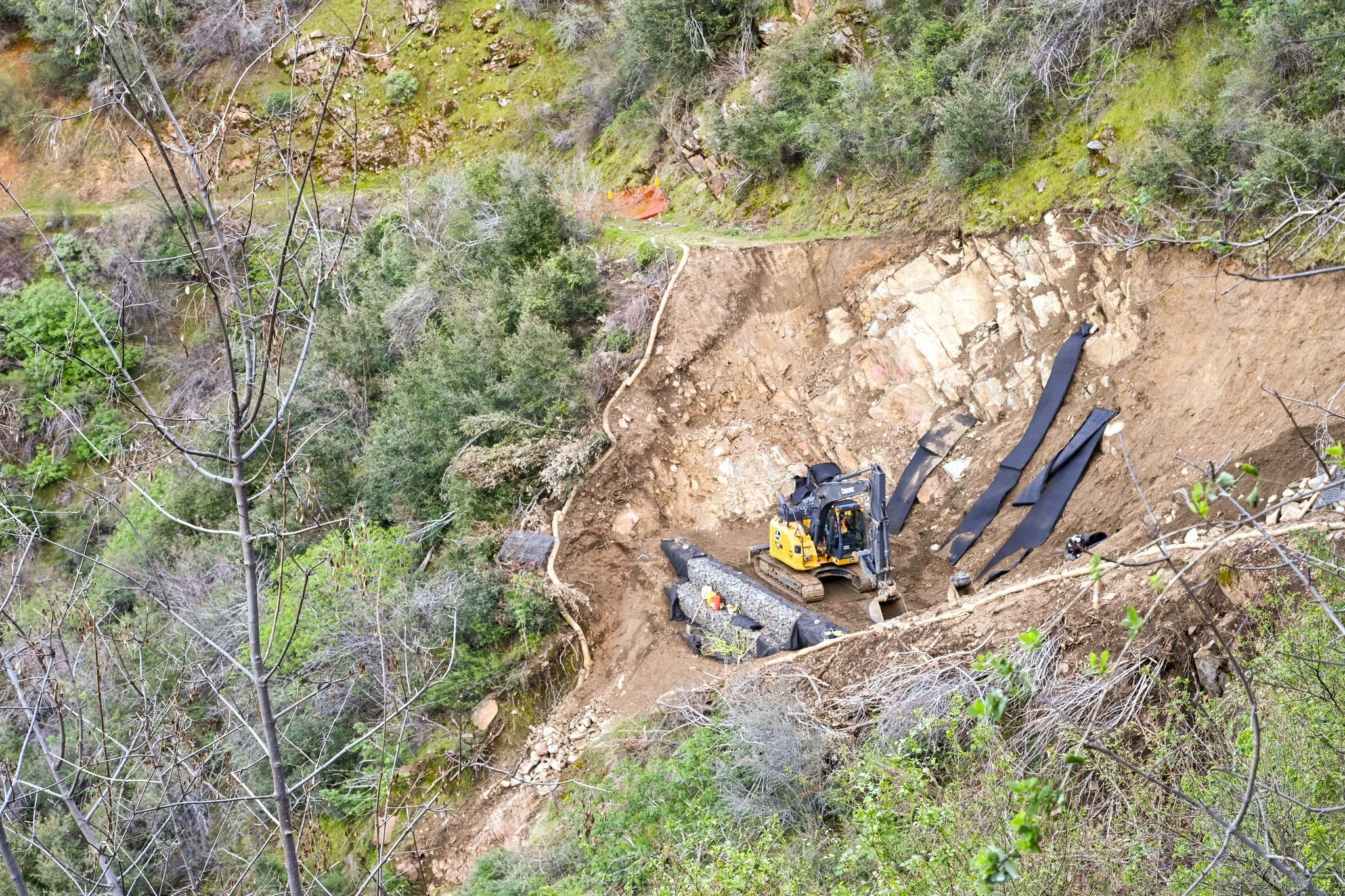
When the road washed out in early 2023, access to this section of the Wild and Scenic Tuolumne essentially disappeared for three boating seasons. For local outfitters, guides, and the communities of Tuolumne County that depend on river-based recreation and tourism, the closure hit hard. For everyone who believes in the public's right to connect with wild rivers, it was a reminder of how fragile that access can be.
"The Tuolumne is one of California's crown jewels — not just as a source of drinking water for millions of Bay Area residents, but as a place where people come to experience something wild and real," said Patrick Koepele, Executive Director of Yosemite Rivers Alliance.
"When you lose access to a river like this, you lose more than recreation. You lose the connection that makes people want to protect it in the first place."
Building a coalition, stone by stone
Getting Lumsden Road repaired required more than funding. It required sustained advocacy from a coalition of partners who refused to let the issue quietly fade.
Yosemite Rivers Alliance worked alongside American Whitewater, the Stanislaus National Forest, Visit Tuolumne County, the Yosemite Chamber of Commerce, Congressman Tom McClintock's office, Sierra Mac River Trips, All-Outdoors California Whitewater Rafting, ARTA River Trips, O.A.R.S., Outdoor Alliance and others to keep pressure on, keep the project moving, and keep the public informed along the way.
Securing that coalition — and keeping it together across three years — was itself a kind of conservation work.
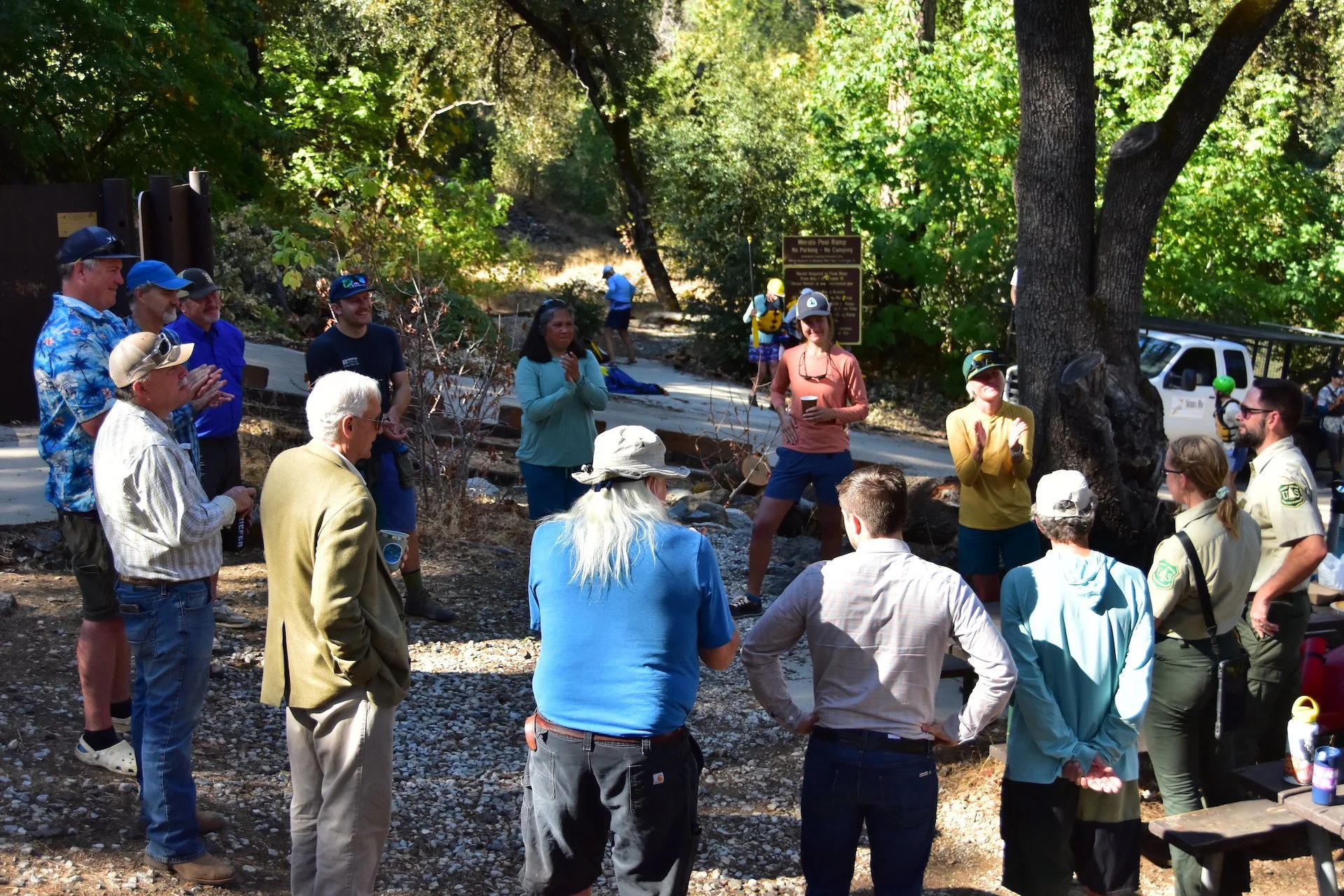
“We protect what we love, and we love what we know.”
"This is exactly what collaboration looks like in practice," said Koepele. "It's not one organization, one agency, or one champion. It's river guides and elected officials and federal land managers and local businesses all rowing in the same direction. When you get that kind of alignment, things start to move."
The funding that made repairs possible came through the Federal Highway Administration's Emergency Relief for Federally Owned Roads (ERFO) program, annual appropriated roads funding, and the American Relief Act — a total of approximately $1.45 million directed toward repairing failed sites on the road. The construction contract was awarded in fall 2025, crews began work, and by mid-May 2026, Lumsden Road was open to the South Fork Campground.
The launch at Meral's Pool is accessible. Both Lumsden and South Fork campgrounds are open. And work continues — crews from the Stanislaus and Shasta-Trinity National Forests are now repairing the remaining stretch from South Fork Campground to Jawbone, a project expected to be complete by end of summer 2026.
What the river gives back
Reopening Lumsden Road is about more than recreation access. It's about restoring a living relationship between people and the Tuolumne.
The Tuolumne River begins in the high country of Yosemite, threads through one of California's most spectacular river canyons, and ultimately delivers drinking water to 2.7 million Bay Area residents. Its waters nourish Central Valley farmland and support over 600 wildlife species. The river once ran with more than 100,000 Chinook salmon each year — a number now reduced to a few thousand, though spring-run salmon have been returning in encouraging signs of recovery.
When people can get to the river — when they can paddle it, fish it, camp beside it, or simply sit and watch it run — they become its advocates. They develop a stake in its health. They show up for it.
That's why access matters. And that's why three years of advocating for one road was worth every effort.
"We protect what we love, and we love what we know," Koepele said. "Getting people back to the Tuolumne isn't just a recreation win. It's the beginning of the next generation of river stewards."
What You Made
Possible
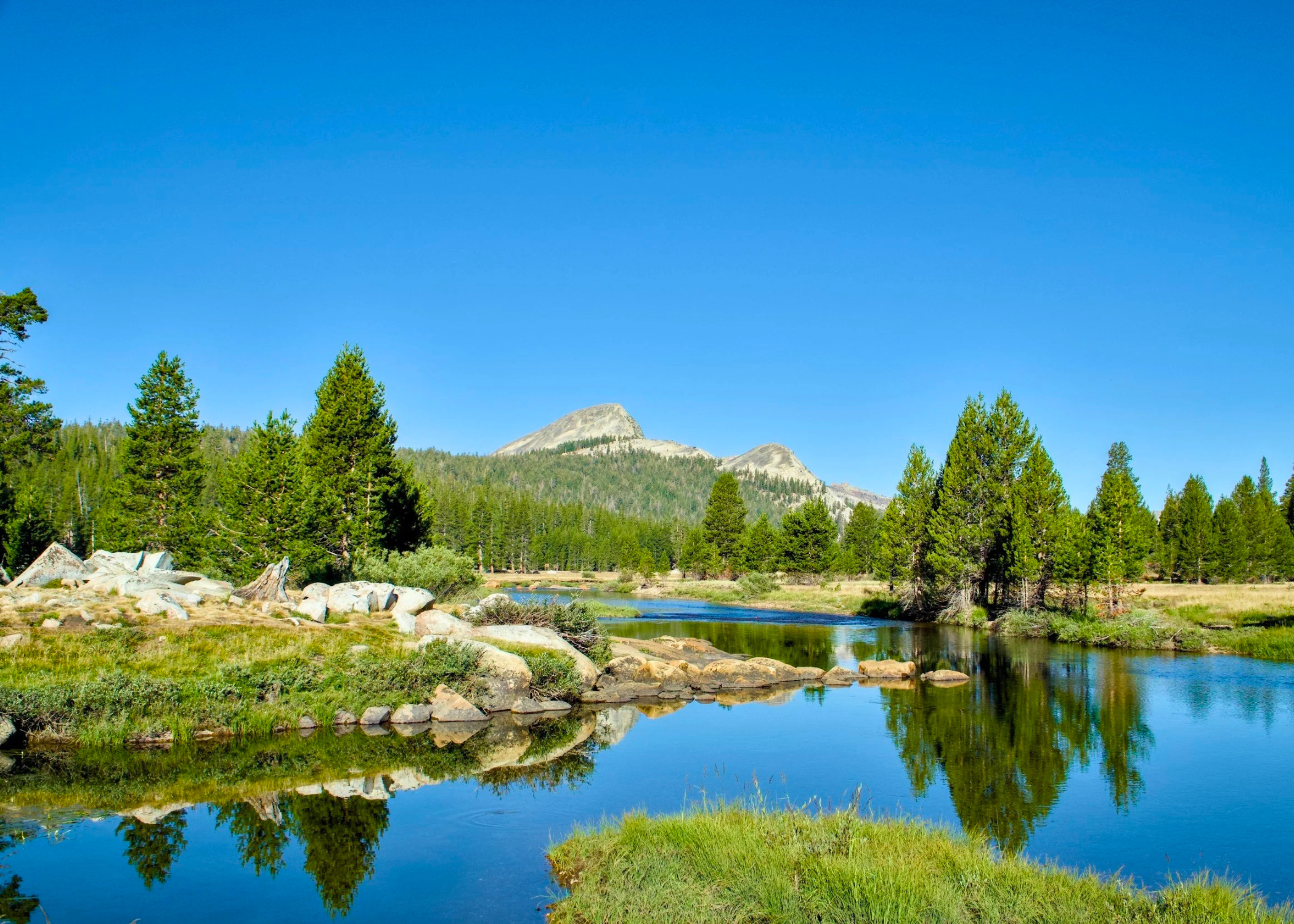
While the snowmelt rushed downstream and the meadows woke into bloom, you were at work.
You planted trees.
You brought youth camping at Pinecrest Lake.
You helped salmon, meadows, and forests grow a little stronger.
Here’s what your generosity set in motion this season
1,200
Invasive thistle plants hand-pulled to protect a forest restoration area
30%
Complete on the Basso-Ingalls river restoration project, done in partnership with the Chicken Ranch Rancheria Band of Me-Wuk
11
Public comments delivered in-person in support of the Tuolumne River Regional Park
600,000
Trees planted across 2,700 acres through our reforestation program
262
acres of fuel reduction work completed
1,075
trees planted across 7.9 acres in the Rim Fire footprint by volunteers
309
People reached through Trekking in the Classroom
134
spring-run Chinook salmon returned to the Tuolumne this spring
175
Attendees at Modesto RecFest, made possible by 18 partner organizations
you are the
throughline
When a tree takes root along the river, a teenager paddles a new lake, or salmon return home to spawn — your generosity is there.
It's easy to measure trees planted and acres restored. It's harder to measure what it means to a young person to sleep under Sierra stars for the first time, or to a community member to finally be heard at a public hearing.
Both are part of the same current and you're the source of it.
1,075 new trees are taking root in the Rim Fire's scar
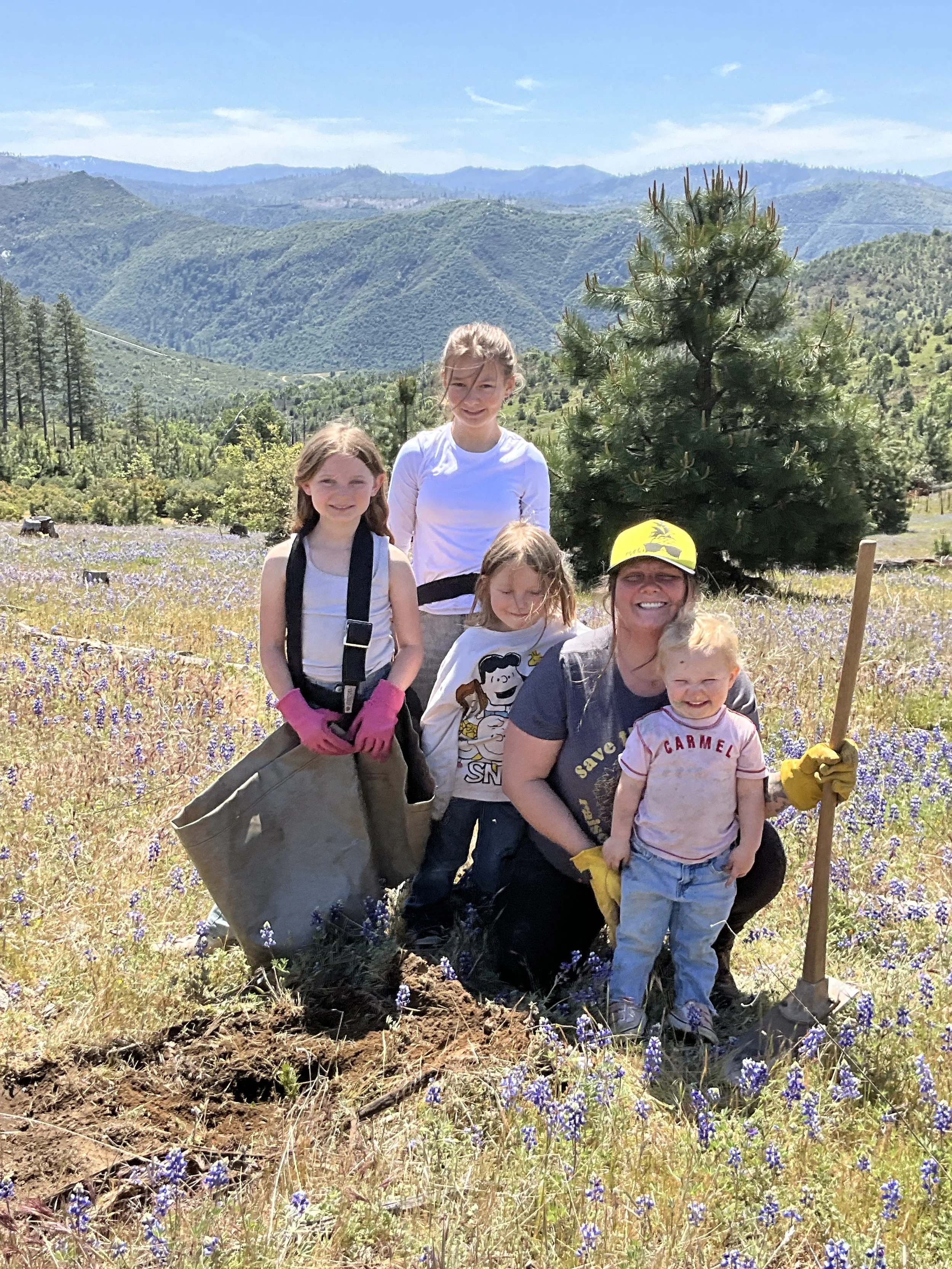
More than a decade after the Rim Fire tore through 257,000 acres of the Stanislaus National Forest, the land is still healing. This spring, 40 volunteers — 14 of them young people — picked up shovels and walked into that scar to help it along.
Over four workdays, they planted 1,075 trees across 7.9 acres, logging 234 volunteer hours along the way, 82 of them contributed by youth. The project was made possible by funding from the Arbor Day Foundation, and by people willing to spend a Saturday kneeling in ash-dark soil, one seedling at a time.
As one volunteer put it:
"Any opportunity to replenish, enrich, and help our forests and meadows is worthwhile and rewarding. I am extremely grateful to have had a part in it, and will happily do it again."
Five trees, five ways to hold a forest together
-
![]()
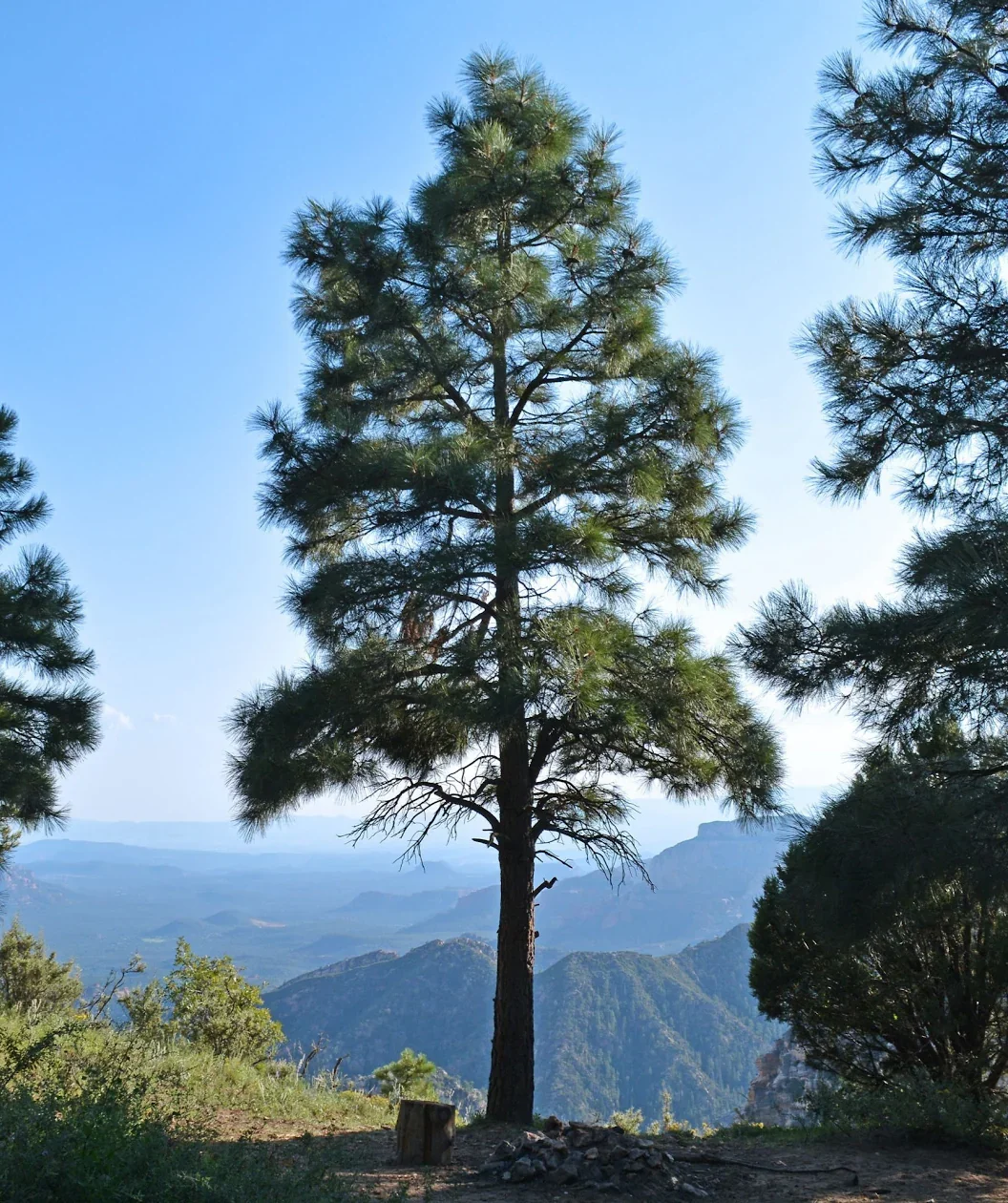
Ponderosa pine
(700 planted)
Sniff the bark of a mature ponderosa on a warm day and you'll likely catch a whiff of vanilla or butterscotch. It's a strange signature for a tree built like armor. Ponderosa bark grows thick and flaky, breaking into jigsaw-puzzle plates that carry heat away from the trunk during a fire rather than letting it settle in. That resilience is a big part of why ponderosa made up the bulk of this spring's planting — it's a tree suited to a fire-prone future, not just a fire-scarred past. -
![]()
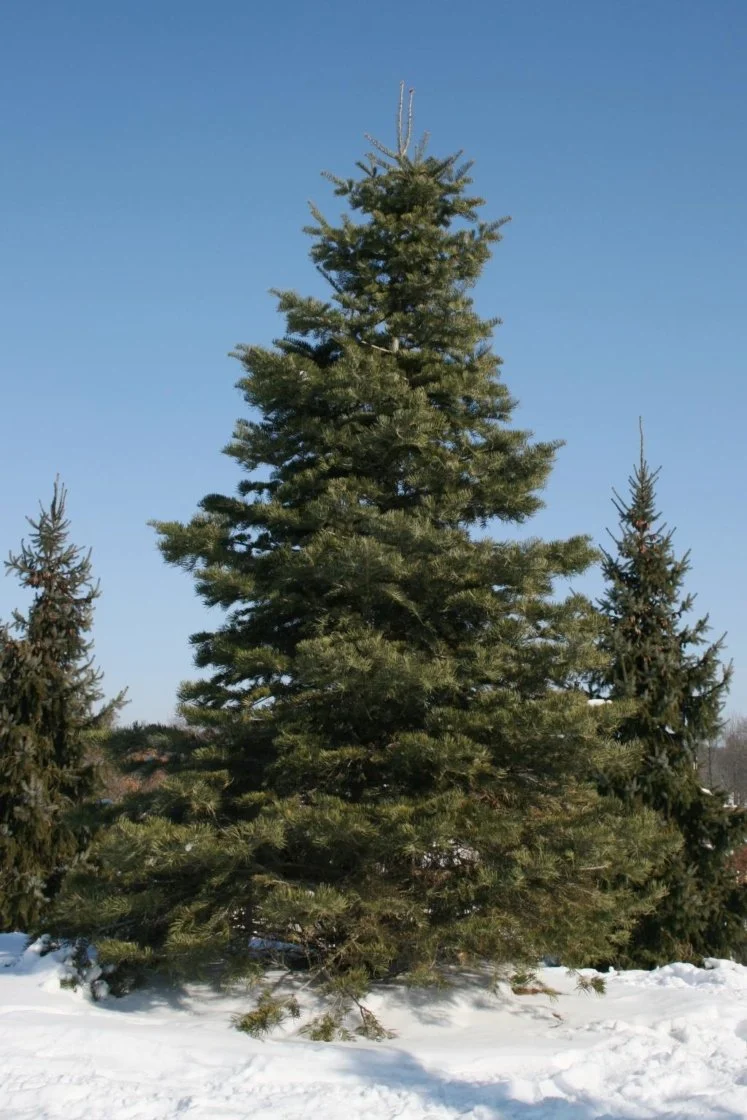
White fir
(200 planted)
White fir fills in the middle layer of a mixed-conifer forest, growing in the understory beneath taller pines and offering dense, soft-needled cover that wildlife use for shelter. It's also the tree many Californians bring home each December — its fragrance and needle retention have made it a favorite holiday tree for generations.
-
![]()
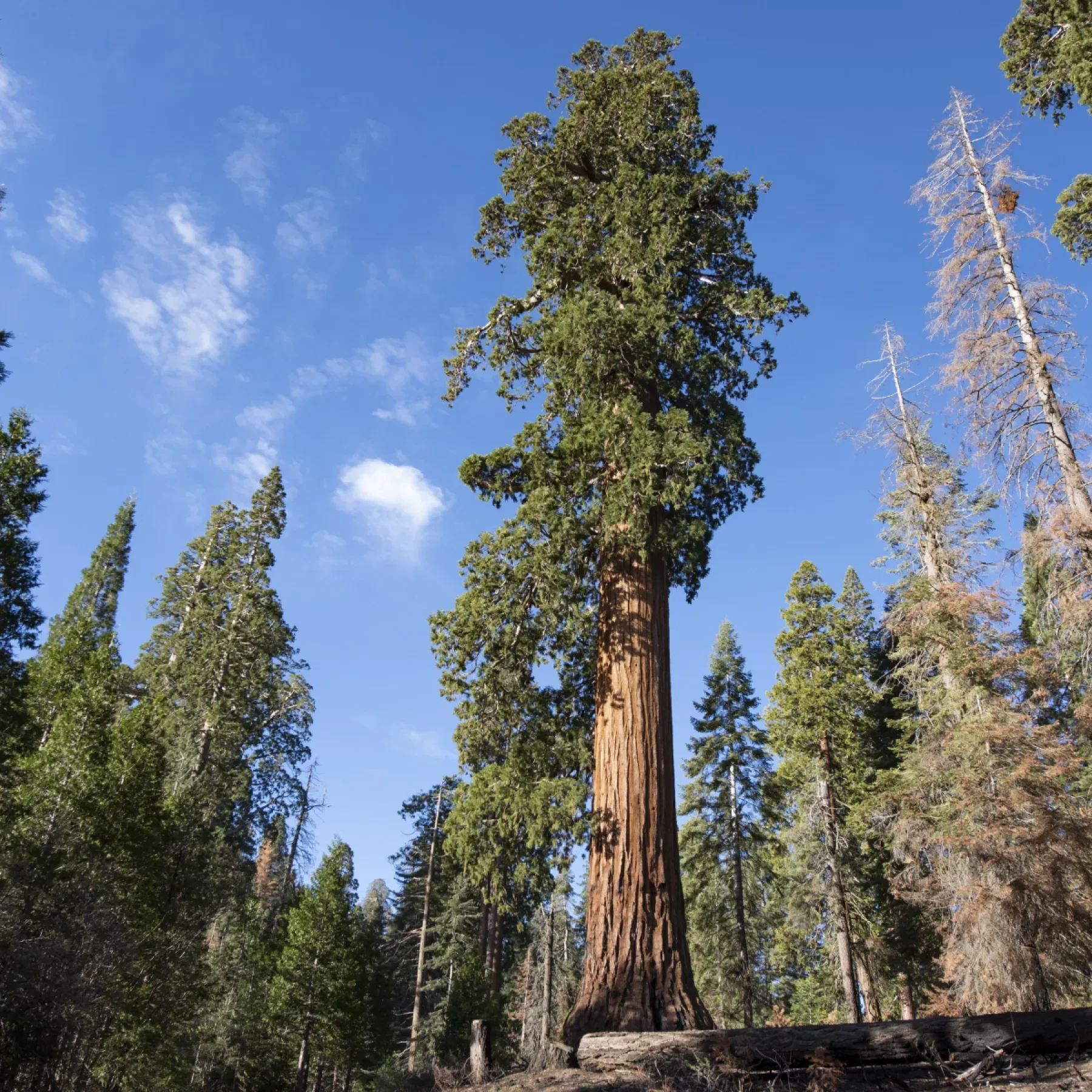
Giant sequoia
(60 planted)
Giant sequoias do something few other trees can: they depend on fire to reproduce. Their cones stay sealed with resin until intense heat melts it open, releasing seed onto freshly burned, nutrient-rich soil — exactly the kind of ground volunteers were planting into this spring. Sequoias grow naturally in only about 75 groves on the west slope of the Sierra Nevada, and the oldest living trees have stood for more than 3,000 years.
-
![]()
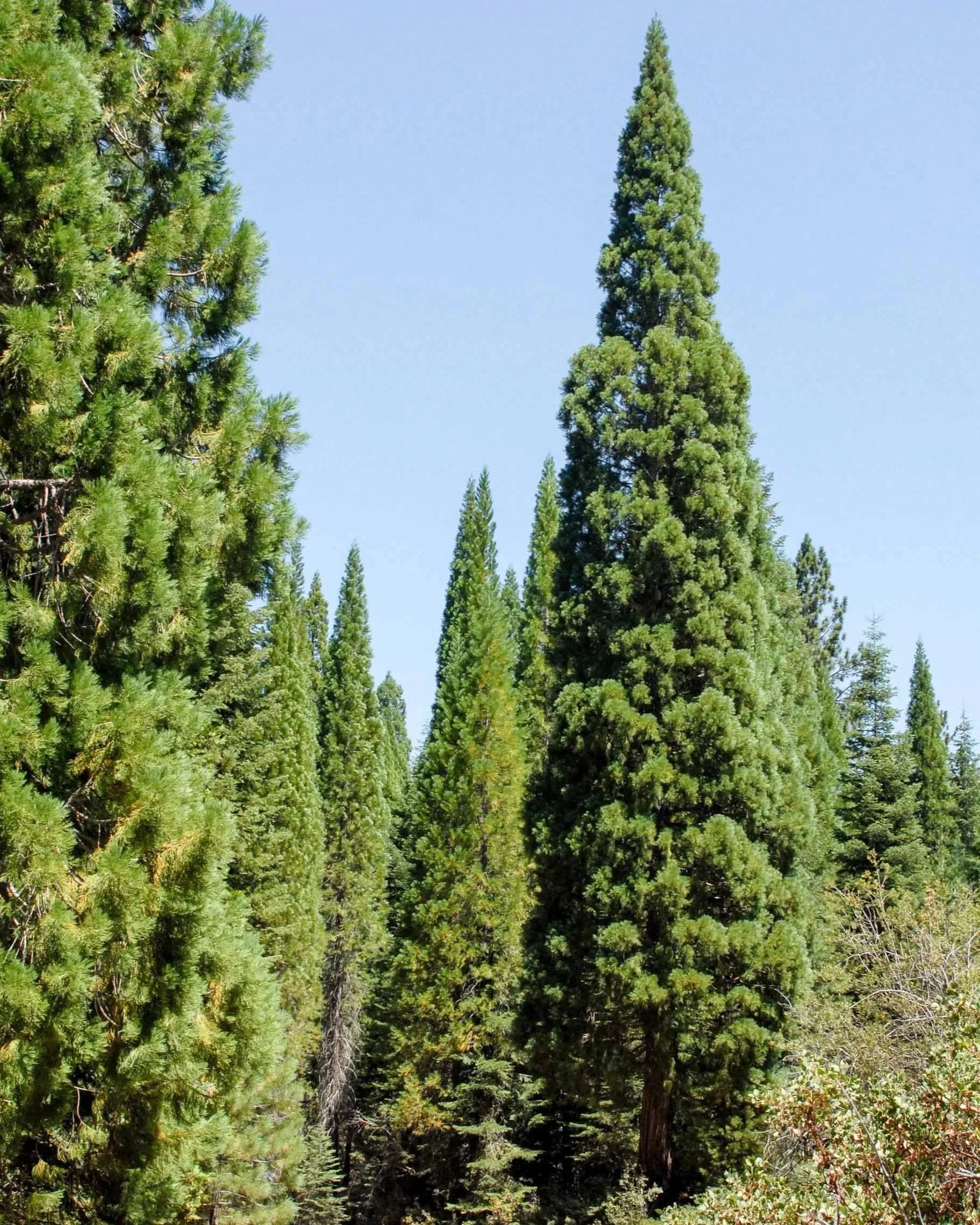
Incense cedar
(75 planted)
Incense cedar's aromatic, straight-grained wood has been prized for generations — it's the wood most pencils are made from. In the forest, its thick, fibrous bark offers real fire resistance, and its distinctive scaled foliage makes it one of the easiest conifers to spot on a walk through the Sierra.
-
![]()
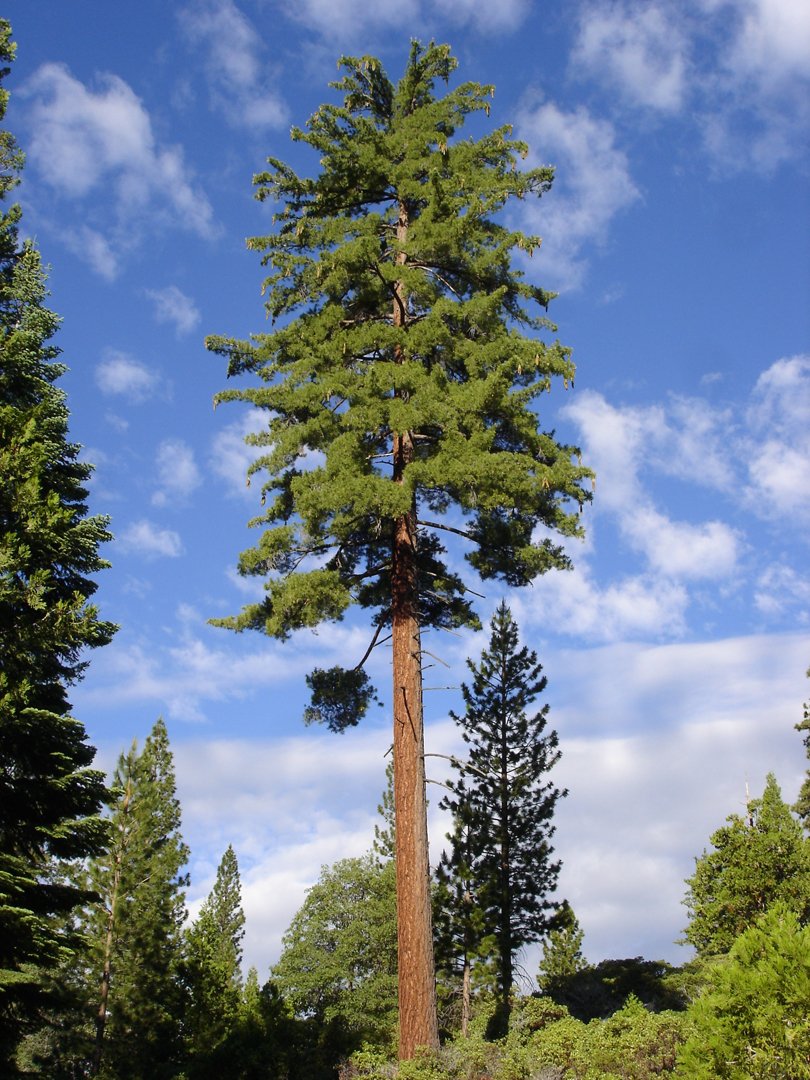
Sugar pine
(40 planted)
Sugar pine is the tallest and largest pine species on Earth, and it produces the longest cone of any conifer alive — some stretch past 20 inches. One of the tallest sugar pines ever recorded stands in Yosemite National Park, and it survived the Rim Fire itself. That's the same resilience we're counting on from the 40 sugar pine seedlings now rooting into this scar.
we’re moving
a river
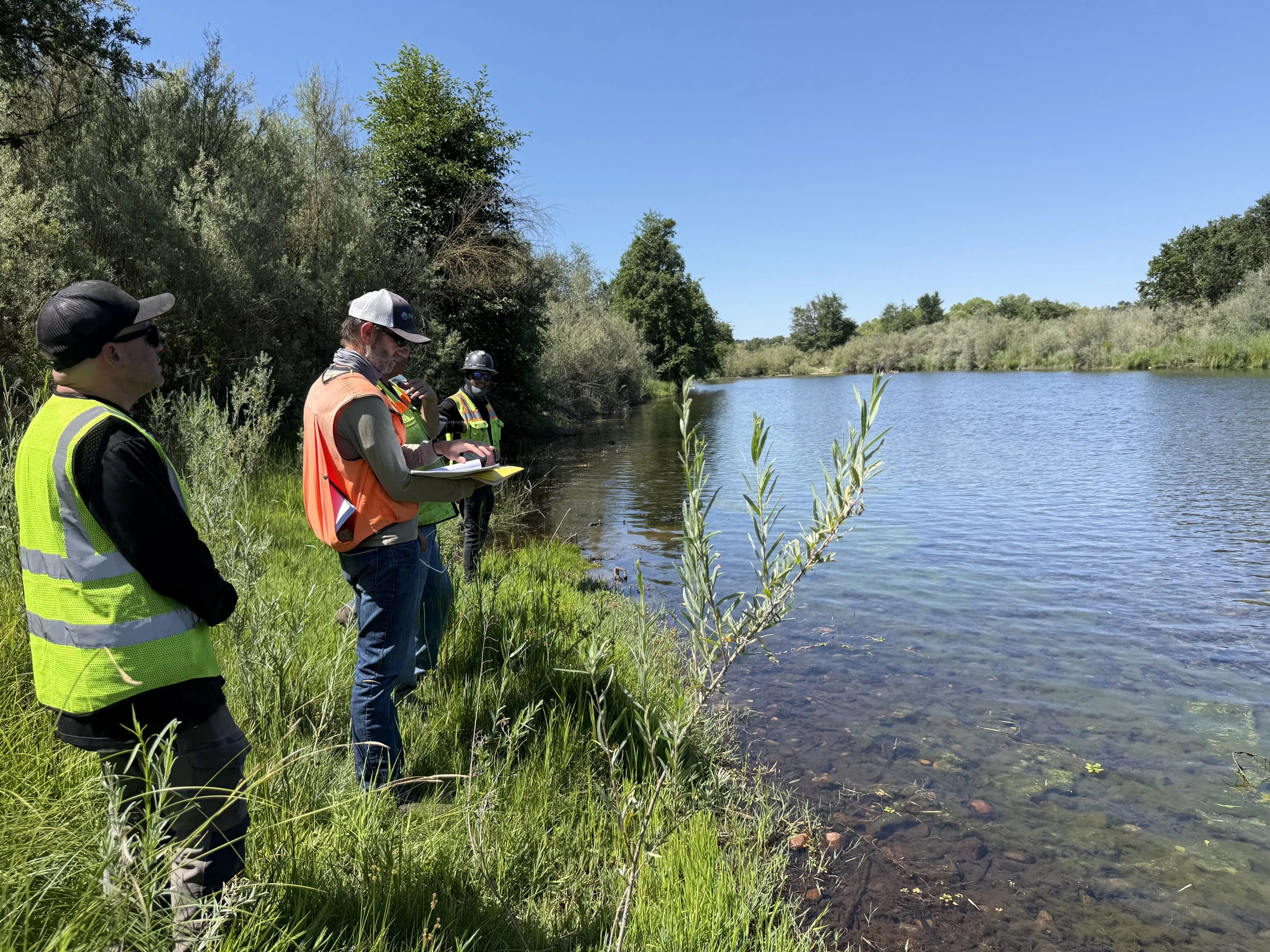
Right now, near La Grange, our crews are doing something that sounds impossible: moving a river.
Not far. Just enough to give Chinook salmon a place to spawn again — undoing damage gold mining left behind more than a century ago.
This summer, crews began carving a new 750-foot channel for the Tuolumne. Fifteen thousand cubic yards of clean spawning gravel. Five acres of restored floodplain. Twenty-six thousand native trees and plants going into the ground to hold it all together.
It builds on last year's Phase 1: two acres of new floodplain habitat, two new spawning riffles, and a 1960s haul-road bridge pulled out of the river for good.
Rivers like this one once ran with over 100,000 salmon a year. Today, only a few thousand return.
Because of supporters like you, this river is getting a second chance.
love
wear your
For these rivers
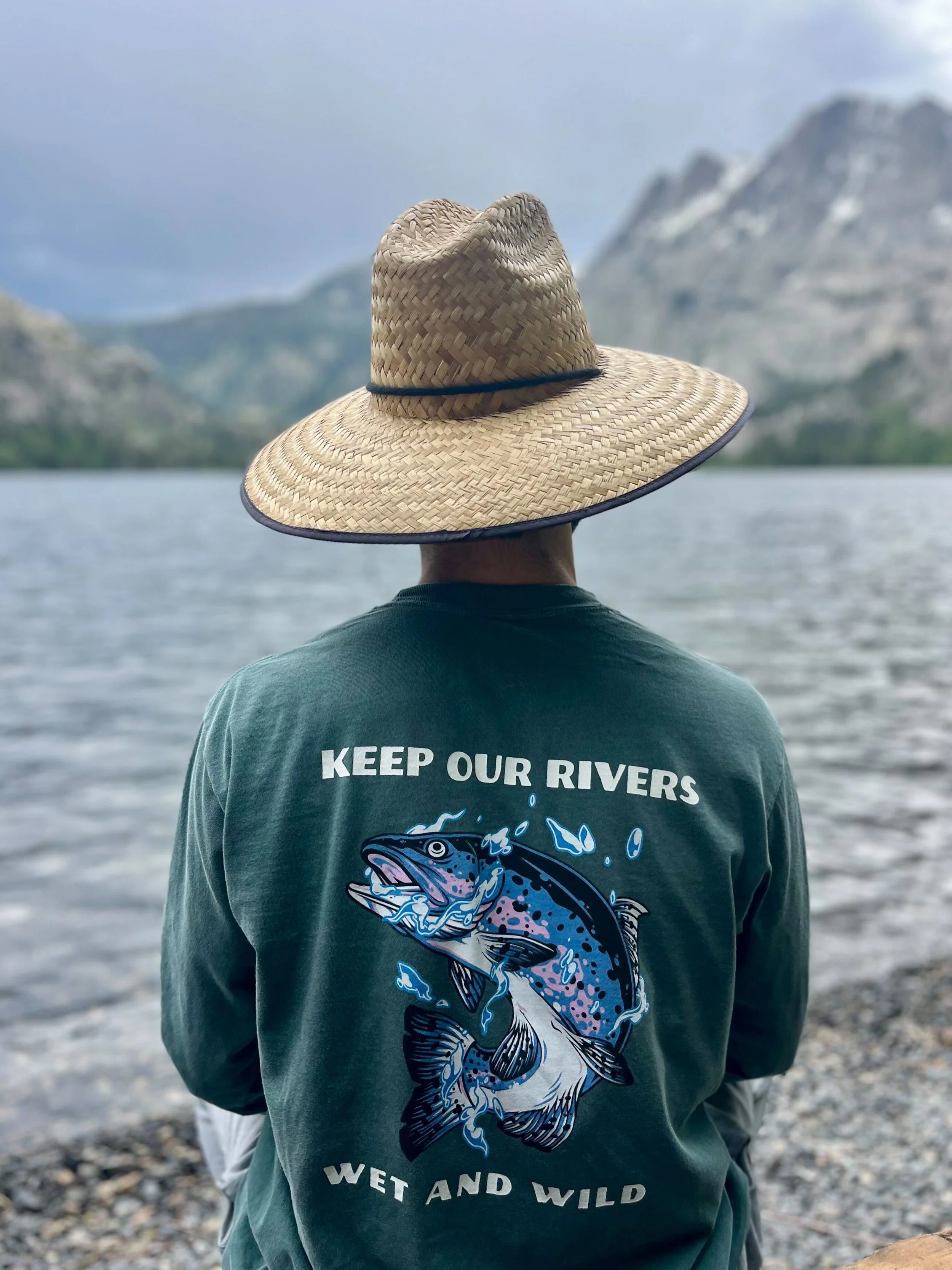
Our river tees aren't just good-looking. Every purchase helps fund restoration work on the Tuolumne, Stanislaus, and Merced. A portion of each sale supports clean water, wildlife habitat, and youth education across the Sierra.
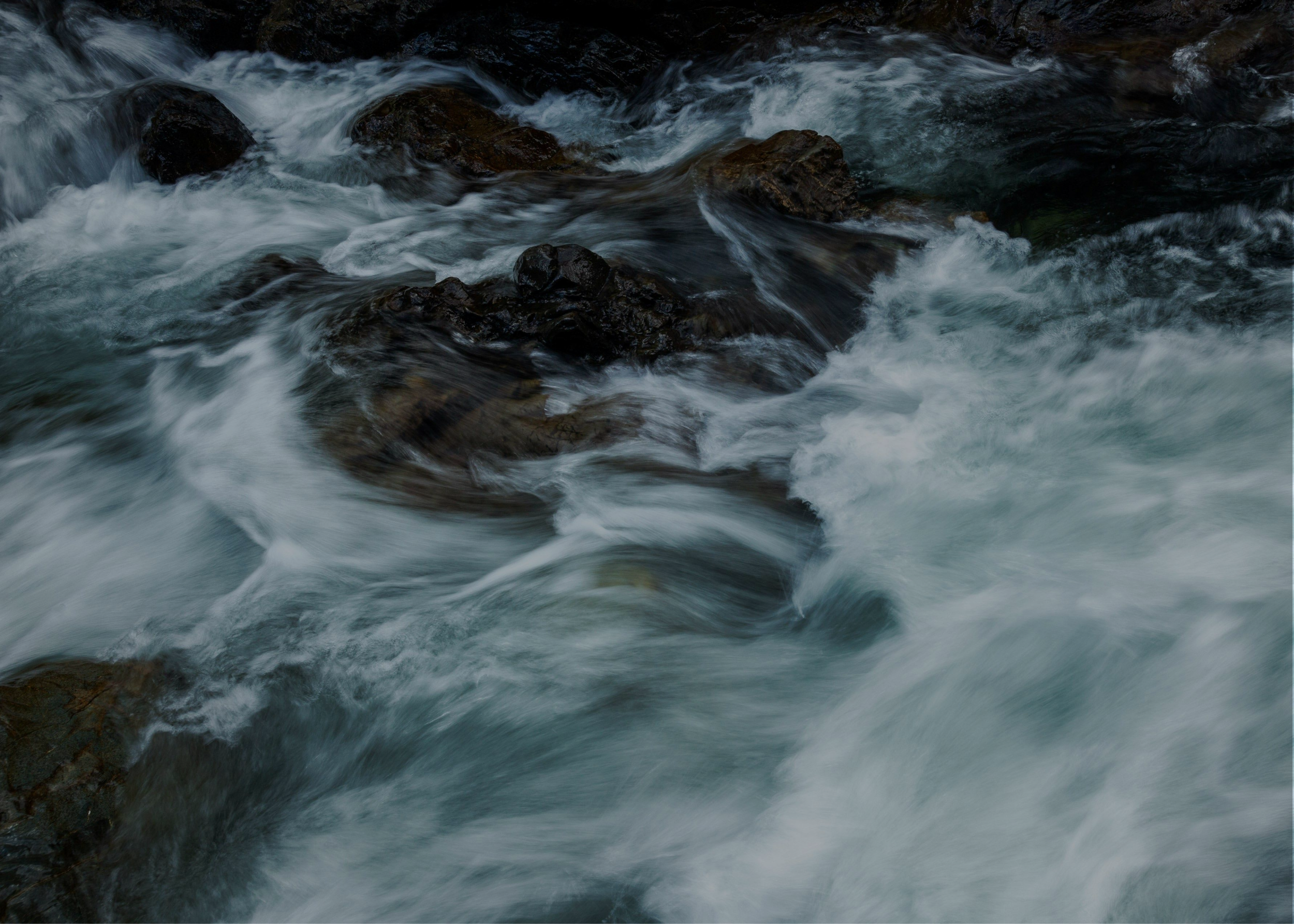
Your support safeguards the Tuolumne, Merced, and Stanislaus Rivers and the communities, forests, wildlife, and future generations who depend on them. Every gift helps restore habitat, build forest resilience, protect river flows, and connect young people with the watershed.
Help Keep Yosemite Flowing
Help Keep Yosemite Flowing