
We're Moving a River: Phase 2a of the La Grange Salmon Habitat Restoration Project Is Underway
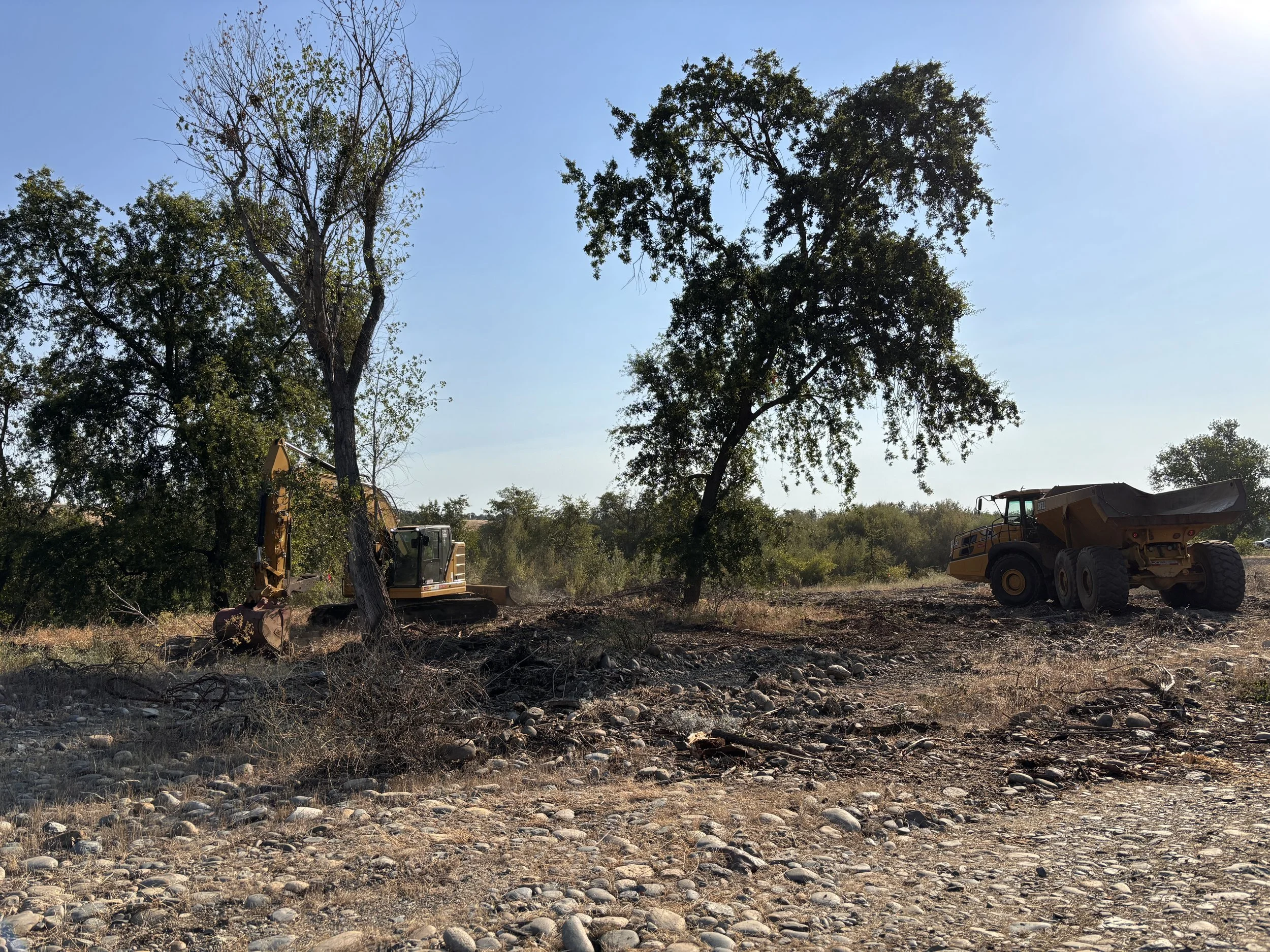
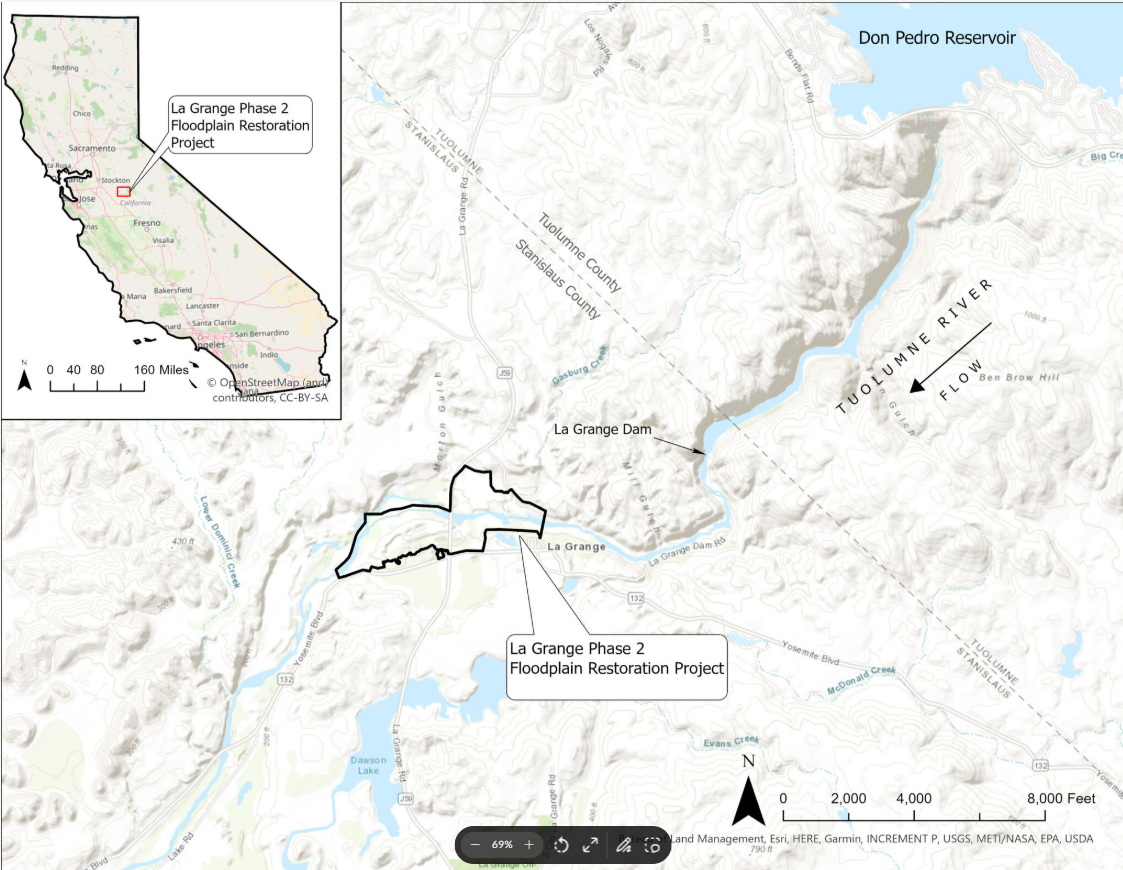
Right now, along a quiet stretch of the Tuolumne River near La Grange, our crews are doing something that sounds almost impossible: moving a river.
Not far, but enough. Enough to give Chinook salmon a place to spawn again. Enough to undo, piece by piece, a wound that mining left behind more than a century ago.
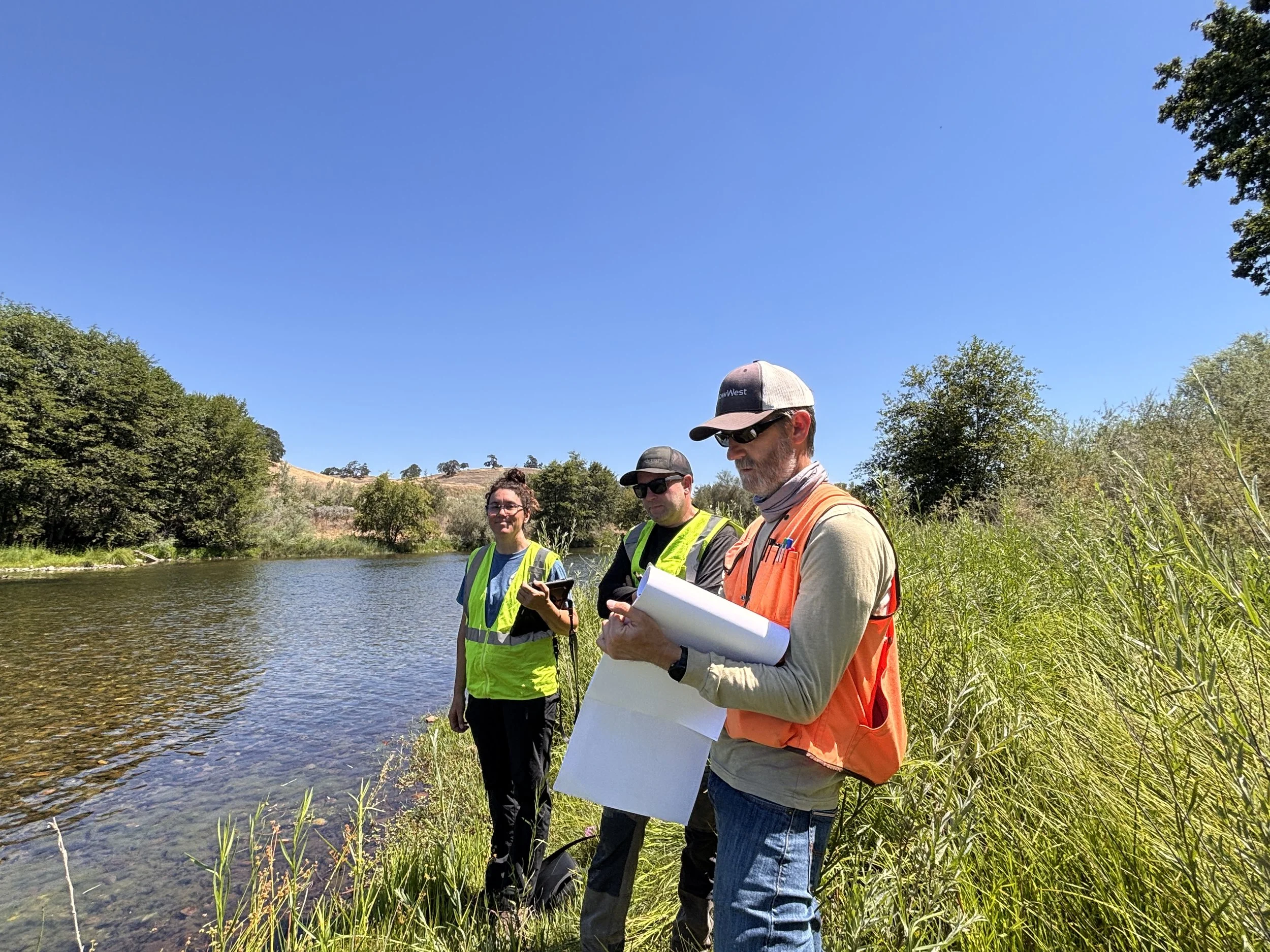
You can be a part of helping bring this river back to life. Field crews, biologists, and partner agencies are already working on the ground this summer. All they need now is you standing with them.
A river shaped by gold, not salmon
This stretch of the Tuolumne sits right in the heart of Chinook salmon and steelhead spawning habitat. But the river these fish return to isn't the one nature made.
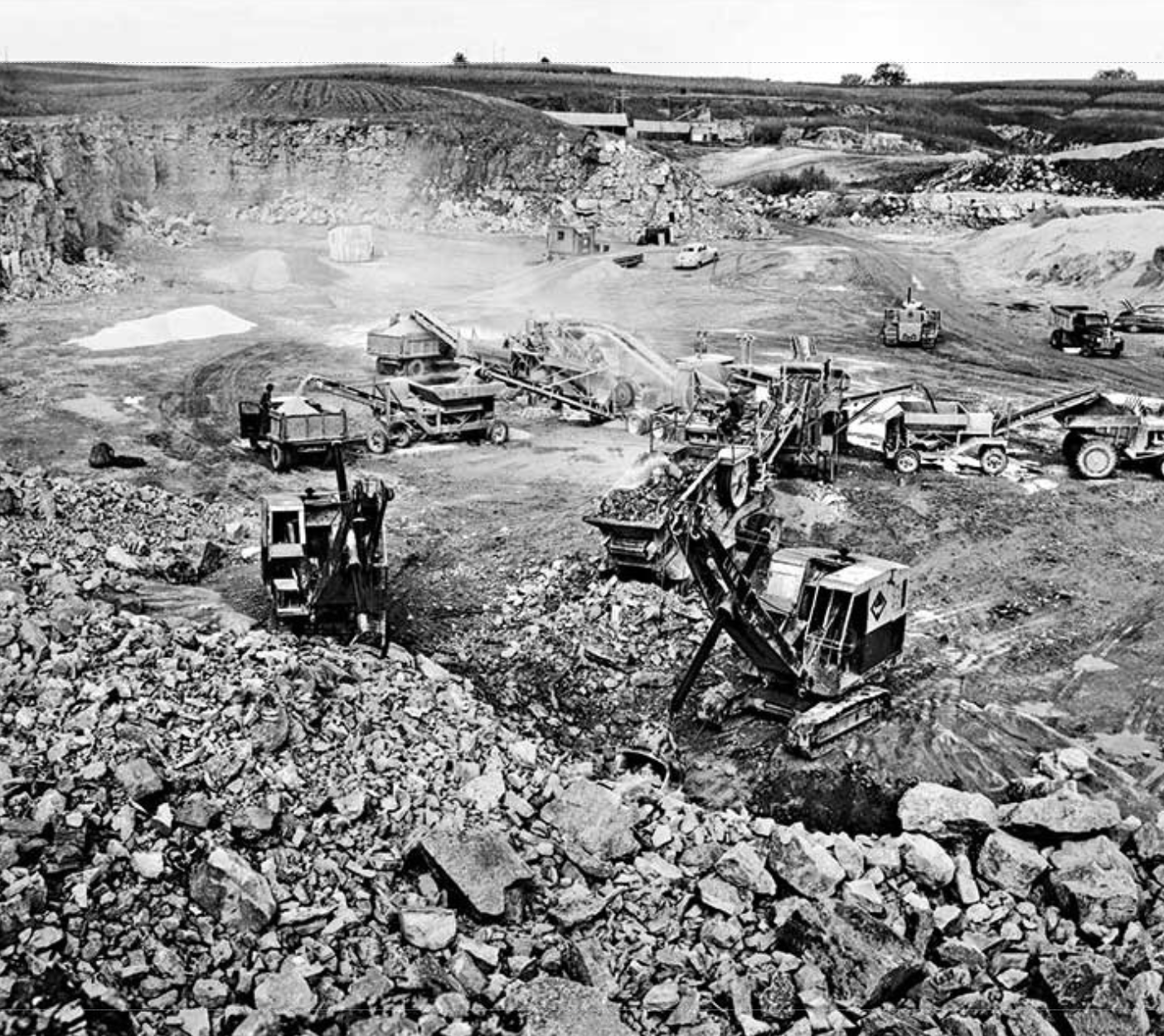
In the early 1900s, gold dredges tore through the riverbed and floodplain here. When the gold ran out, the dredges left the leftover rock piled up in long, bare ridges, with barely any soil to hold plants or wildlife. The gravel-bedded, shallow stretches salmon need to lay their eggs, known as riffles, were mostly replaced by steep, fast water pinched between long, still pools. Almost none of it works for fish.
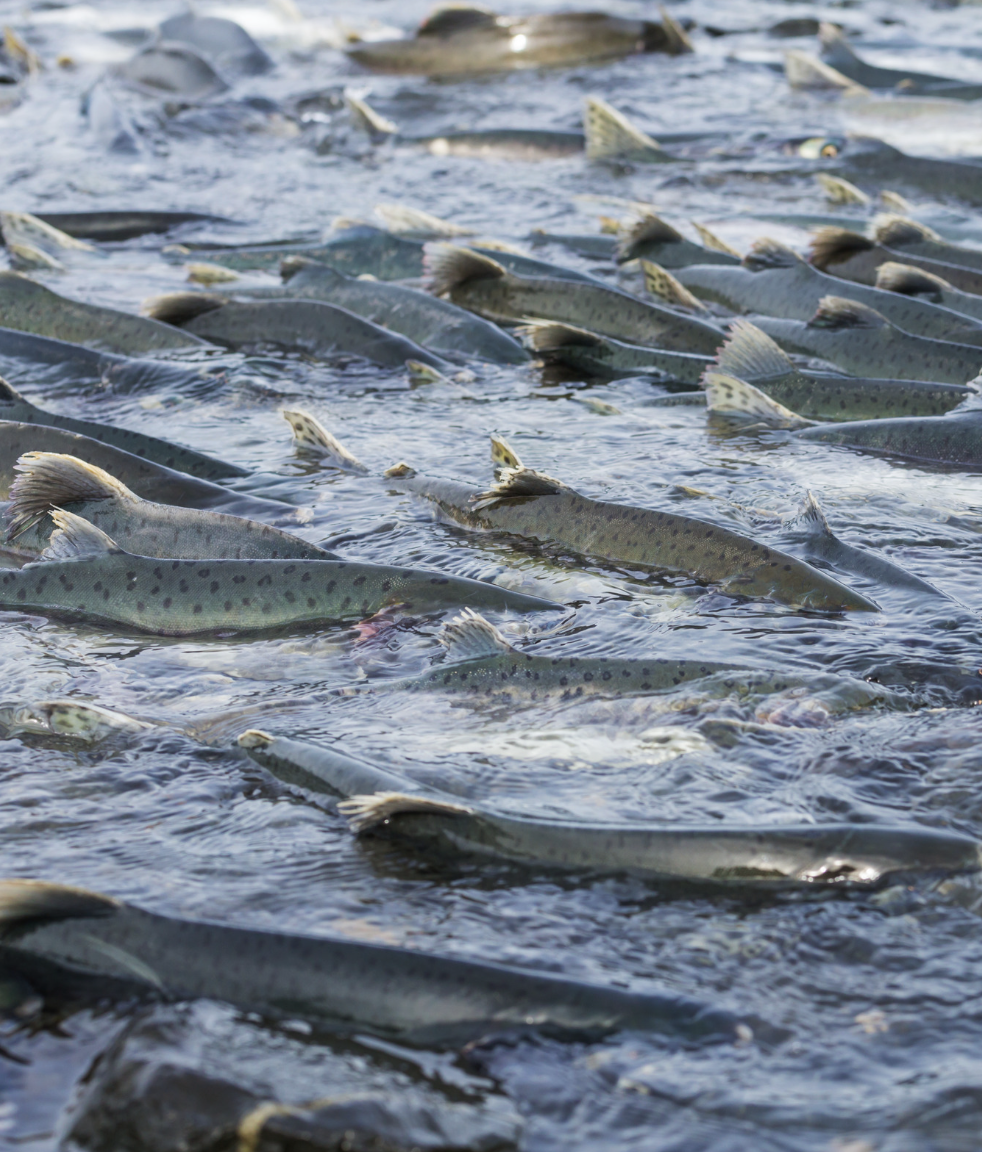
Rivers like this one once supported over 100,000 salmon returning to spawn each year. Today, only a few thousand return. That decline is why we're here, and why your support matters so much right now.
Phase 1: Proof it can work
Last year, we completed Phase 1 of the La Grange restoration, and the results speak for themselves:
Turned two old mining pits into 2 acres of new floodplain habitat, where young salmon can access food and grow
Restored 3 more acres of floodplain habitat
Built two large riffles where Chinook can spawn
Created a gravel bar to feed clean gravel downstream, in a stretch of river that's been starved of it for decades
Pulled tons of old steel and concrete out of the river, leftover from a 1960s haul road bridge
That last piece, removing the haul road debris, cleared the way for everything happening this summer.
Phase 2a: A new path for the river
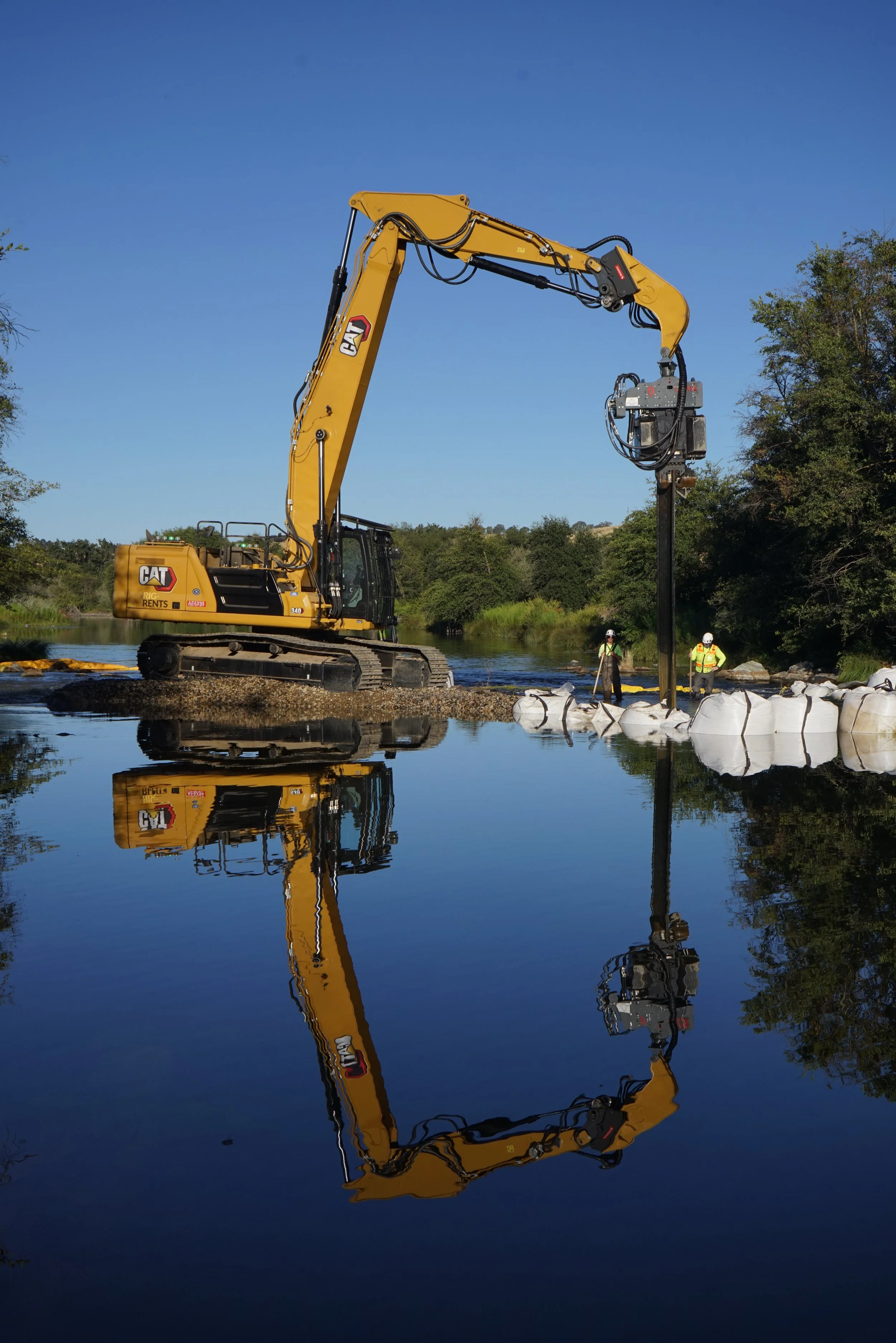
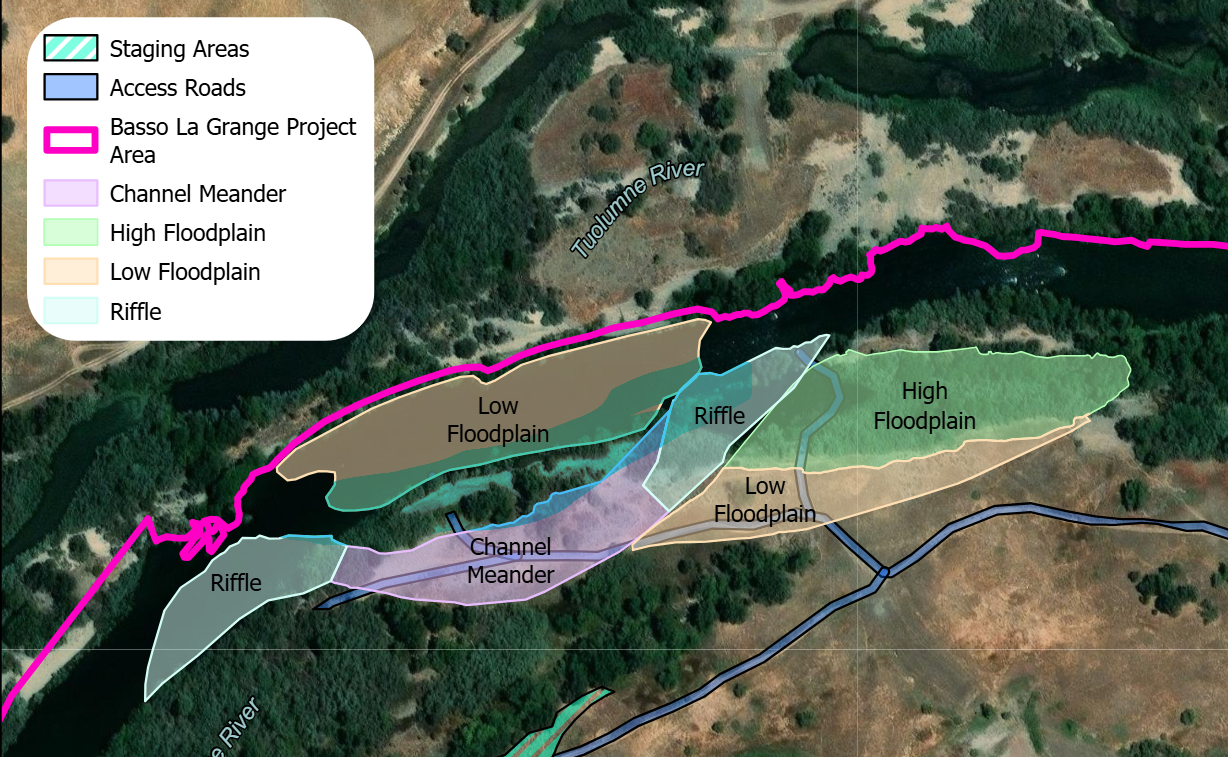
This summer, our crews are back on-site for Phase 2a and this round of work goes a step further. We're carving a brand-new 750-foot channel meander for the river — that's nearly two and a half football fields long — and then adding 15,000 cubic yards of clean spawning-size gravel in the new channel bottom. Around that new channel, we’re restoring more than 5 acres of high and low floodplain. Once the channel is shaped and floodplains are constructed, over 26,000 native trees and plants will go into the ground to stabilize the banks, shade the water, hold the soil in place, and feed the bugs that salmon eat.
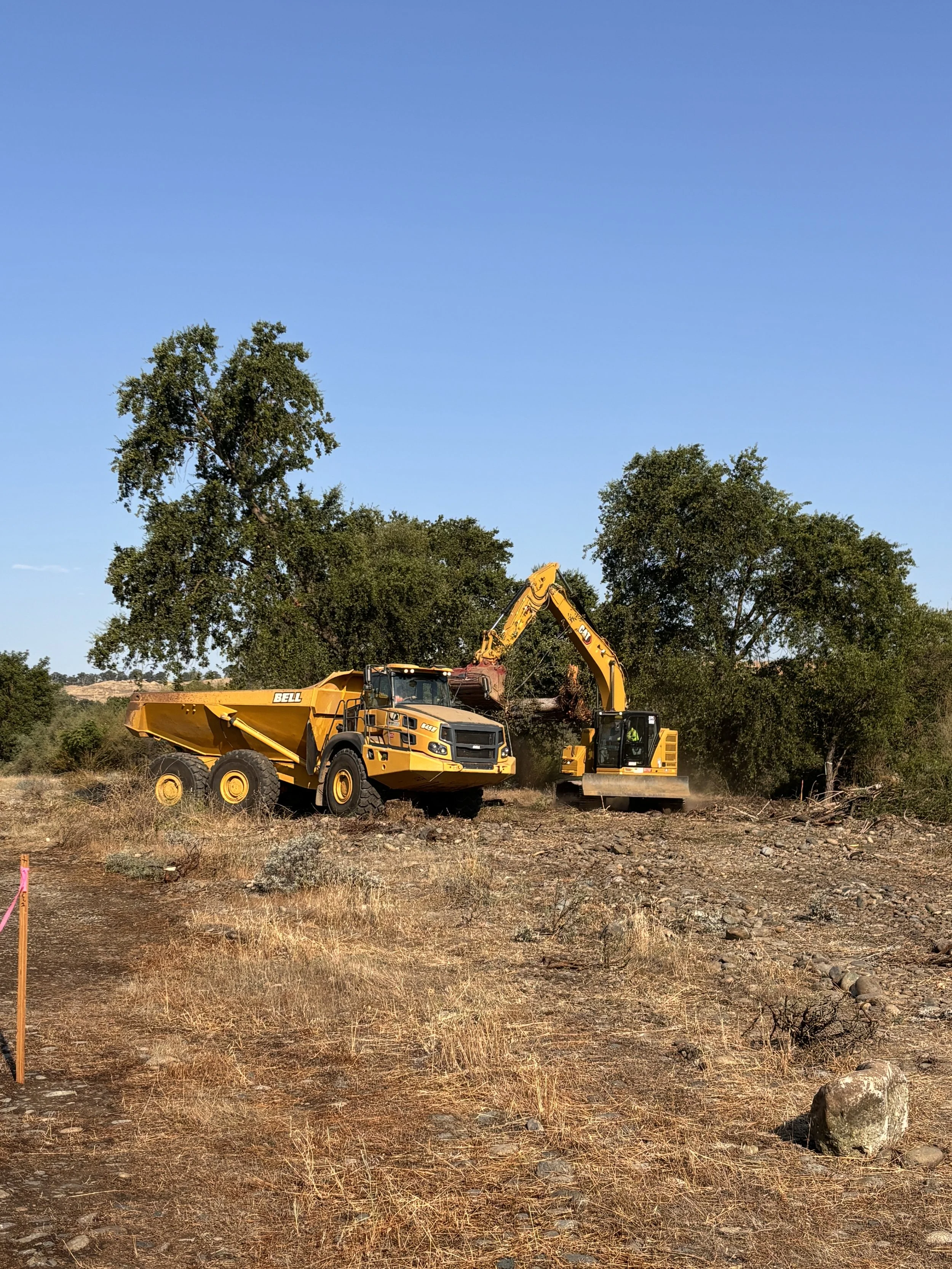
The field crews have already started clearing brush, laying erosion-control fiber rolls along the new channel edges, and moving equipment into place. You can see the excavators and haul trucks reshaping the land in the photos below. It's loud, dusty, unglamorous work. It's also exactly how a river gets its life back.
When Phase 2a is complete, this project will have:
Creating floodplain rearing habitat where juvenile salmon can grow before heading downstream
Building two new riffles for spawning habitat
Restoring the river's natural bends where human activity like mining and dam building straightened it, so water, sediment, and life can flow the way nature intended.
Adding native riparian vegetation that stabilizes the channel, restores the floodplains, and feeds the food web
What's next: Phase 2b and Phase 3
Phase 1 and Phase 2a are only the beginning. With continued support, we'll move into Phase 2b: three-quarters of a mile of new seasonal side channel, plus 16 more acres of restored floodplain, with Phase 3 to follow after that. Each phase builds on the last, turning a stretch of river degraded by dredge mining and reduced flows controlled by upstream dams back into a functioning, resilient system.
And the work doesn't stop once construction wraps. Newly planted trees need years of irrigation and vegetation care before they can thrive on their own. Projects like these are a long-term commitment, not a one-time fix.
This is what years of restoration work looks like: steady progress, one phase at a time, built by people who keep showing up for this river.
Grateful for the partners who make this possible
Phase 2a moves forward because of partners already committed to this river: the National Fish and Wildlife Foundation, the California Department of Fish and Wildlife’s Office of Spill Prevention and Response, and the Wildlife Conservation Board.
Donors like you stand alongside them in that same partnership. Every gift, public or private, is part of what's putting crews on the riverbank this summer, and what will carry this work through Phase 2b and beyond.
Join the work already in motion
Chinook salmon and steelhead can't wait for a river that works for them. They need it now, this spawning season and the next.
Restoration at this scale takes partners, funding, and people who care enough to keep showing up. Join the partners and neighbors already behind this work and help carry the La Grange restoration through Phase 2b and beyond.
Have questions about the project or want a tour of the restoration site? Reach out to our team — we'd love to show you the river's new path.
