
Above the Tuolumne, a forest gets ready for fire
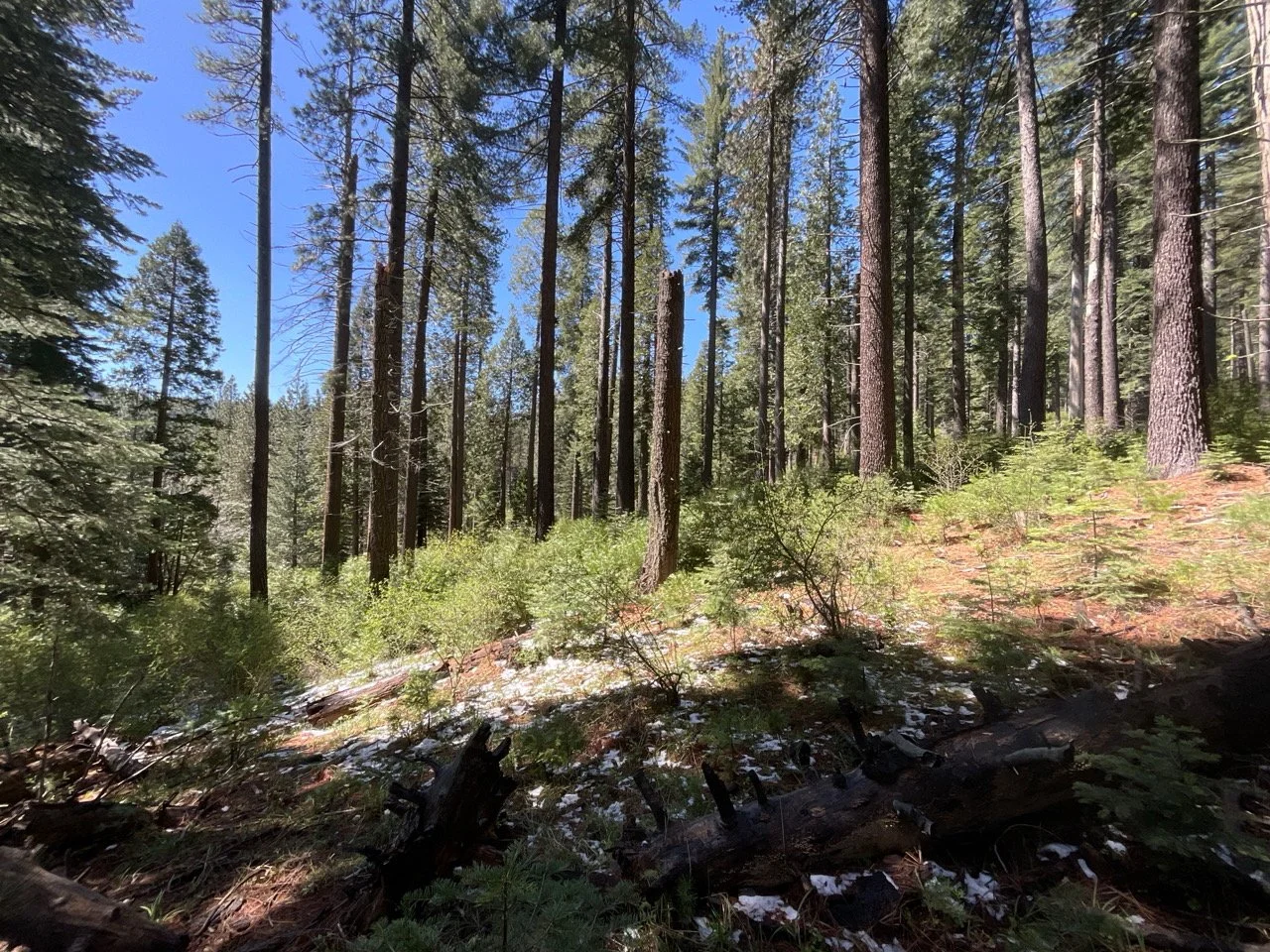
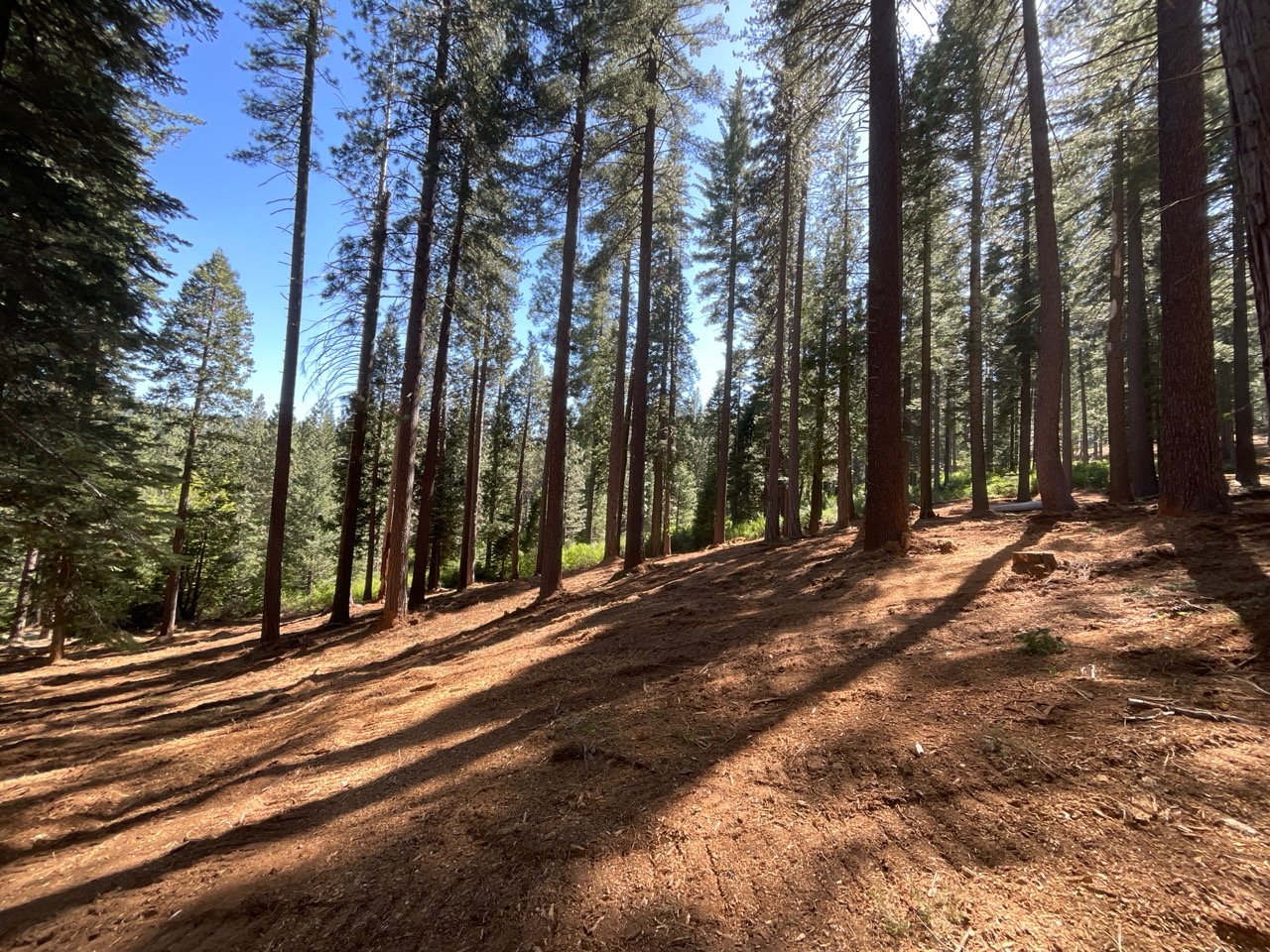
A recent fuel-reduction treatment near Long Barn shows how strategic forest management can protect wildlife, waterways, and neighboring communities before wildfire strikes.
At first glance, the difference between these two forest scenes may seem simple: fewer shrubs, fewer small trees, and more open space between the larger trunks.
But the change represents something much bigger—a forest that is better prepared for fire.
These before-and-after photographs were taken in a treatment unit just east of Long Barn, near the North Fork Tuolumne River. The work is part of the SERAL 2.0 Excelsior Fuels project, a broader effort to improve forest resilience and reduce the risk of severe wildfire across the Stanislaus National Forest.
Before treatment, the forest understory contained abundant brush and small trees. These “ladder fuels” can carry flames from the ground into the forest canopy, where fire can spread rapidly and become much harder to control.
Following treatment, the forest is more open. When fire eventually moves through this area, it is now more likely to remain closer to the ground and burn at low to moderate severity—creating the possibility of beneficial ecological effects rather than catastrophic loss.
The work was also designed with wildlife in mind. Several snags, or dead standing trees, were deliberately retained throughout the unit. Although they can be difficult to spot in the photographs, these trees continue to provide valuable habitat for birds, small mammals, and other forest wildlife.
Protecting the watershed from the ground up
This treatment area lies only a short distance from the North Fork Tuolumne. Reducing the risk of high-severity wildfire here also helps protect the upper Tuolumne watershed.
When severe fire removes vegetation and damages soil, subsequent storms can wash ash, sediment, and debris into nearby streams. Proactive forest treatments can reduce the likelihood of those cascading effects—protecting water quality as well as forest habitat.
The work shown here is one step in a longer restoration process. Additional thinning is expected through a future timber sale, and the area may eventually be treated with prescribed fire. Together, these sequential treatments can help restore fire as a beneficial ecological process while reducing the risk of an uncontrolled, high-severity wildfire.
SERAL 2.0 covers a broad landscape within the Stanislaus National Forest and is intended to reduce wildfire risk while improving the resilience of forests, watersheds, wildlife habitat, communities, and infrastructure.
Prevention is a worthwhile investment
New research led by UC Davis helps quantify the value of work like this. Researchers studying nearly 300 wildfires across the western United States found that every dollar invested in forest fuel treatments produced approximately $3.75 in avoided wildfire damages. The treatments examined reduced wildfire spread and severity and prevented an estimated $2.8 billion in losses.
In other words, proactive forest stewardship does more than improve the appearance or structure of a stand of trees. It can protect homes, public health, wildlife habitat, carbon stored in forests, and the rivers that begin in these mountain landscapes.
This project was completed through a contract held by Tuolumne County under its Master Stewardship Agreement with the Stanislaus National Forest, on behalf of Yosemite Stanislaus Solutions. Yosemite Rivers Alliance is helping manage the work and coordinate the partnerships necessary to move it forward.
Healthy rivers begin with healthy headwaters. By investing in forests before disaster strikes, we can help keep the upper Tuolumne watershed resilient for generations to come.
Help us keep this work flowing. Your gift to Yosemite Rivers Alliance funds the planning, partnerships, and on-the-ground stewardship that protect the upper Tuolumne — and the millions of Californians downstream. Make your gift today.
