
A threat to our forests hidden inside a wildfire bill — and what you can do right now
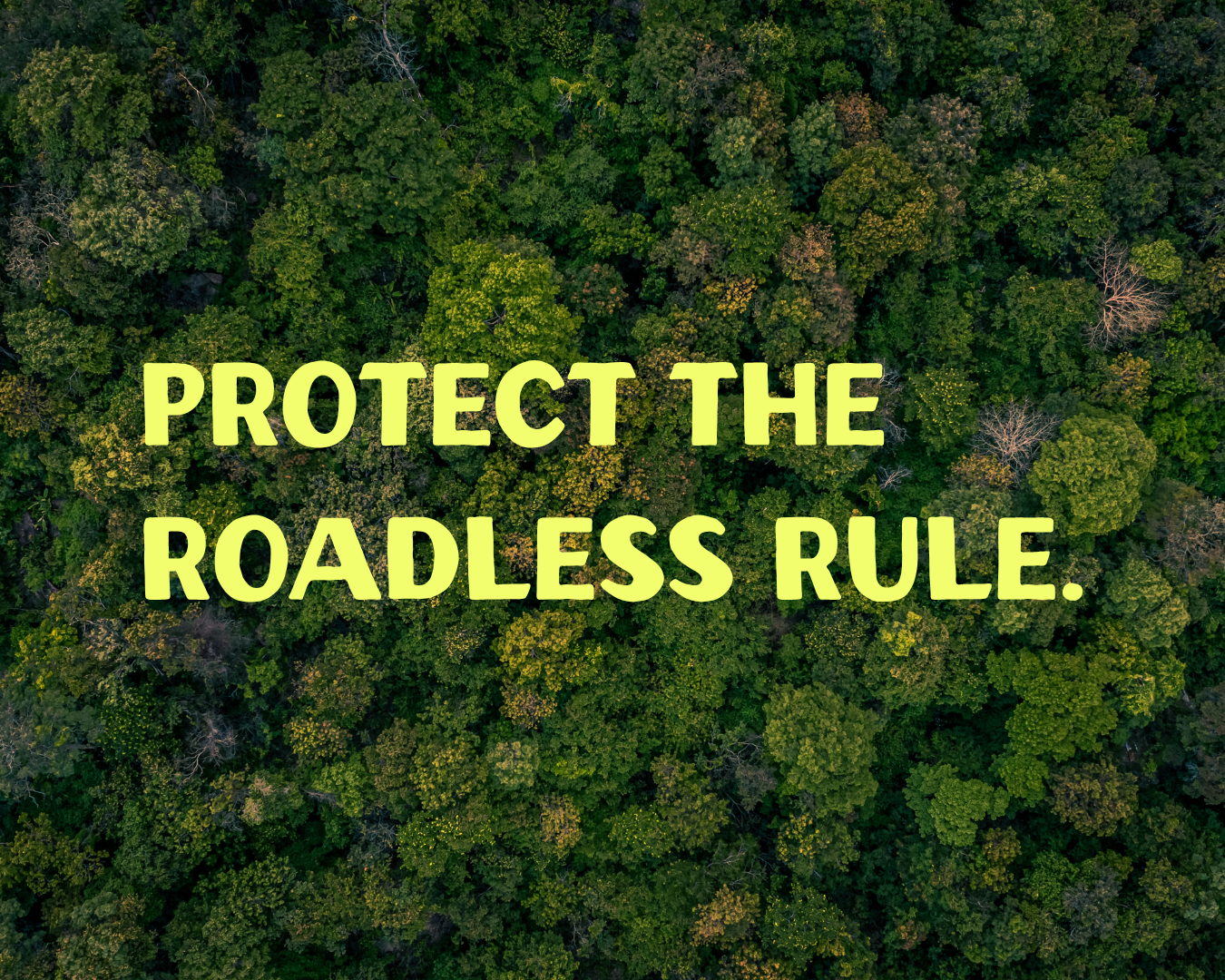
The forests above our rivers don't protect themselves. They need policies that work — and people willing to defend them.
That's why I'm asking you to take action today.
Yesterday, the Senate Energy & Natural Resources Committee voted to advance the Wildfire Prevention Act (S.140) — including a last-minute amendment introduced by Senator Mike Lee that would eliminate the Roadless Rule, one of the most important and durable protections for our nation's wild forests.
This is not a small thing. And it deserves your attention.
What is the Roadless Rule — and why does it matter?
The Roadless Rule, established in 2001, protects nearly 58.5 million acres of national forest from road construction and logging. That includes millions of acres of the Sierra Nevada forests that shade the snowpack, filter our water, and shelter the wildlife that depend on healthy, intact wildlands.
For our rivers — the Tuolumne, Stanislaus, and Merced — these protections matter directly. Intact forests upstream mean cleaner water downstream. They slow runoff, filter sediment, and buffer against the kinds of extreme weather events that are only becoming more frequent.
The wildfire argument doesn't hold up
Senator Lee's amendment is framed as a wildfire prevention measure. The logic sounds simple: more roads mean better access for firefighters.
But that's not what the evidence shows.
The Roadless Rule already explicitly allows wildfire suppression, prescribed fire, and emergency response — it is not and has never been a barrier to fighting fires. And wildfire data tells a very different story about roads: ignition rates are significantly higher in areas near roads, not lower. Nearly 120 current and former wildland firefighters have gone on record warning Congress that building new roads is more likely to cause more ignitions — not fewer.
The people who actually fight fires aren't asking for this. The data doesn't support it. And the communities who depend on these forests for clean water can't afford it.
This is a pattern, not a one-off
Senator Lee has a track record here. He is the same senator who has repeatedly pushed proposals to sell public lands without meaningful public engagement. This amendment fits that pattern — using legitimate public concern about wildfire to advance a policy that would weaken long-standing, science-backed protections for public lands.
We should be clear-eyed about what this is.
California's senator showed up, now let's show up for him
Senator Alex Padilla attended the committee hearing and voted against the Lee amendment. In a moment when these votes matter enormously, that kind of presence and accountability is worth recognizing.
The Wildfire Prevention Act now moves to the full Senate floor. What happens next depends on whether elected leaders hear from the people they represent.
Here's what I'm asking you to do
Please contact Senator Padilla's office to thank him for attending the hearing and voting against the amendment to eliminate the Roadless Rule. It takes just a few minutes, and it matters more than you might think. Elected officials keep track of constituent contact — positive and negative. When someone does the right thing and hears nothing, that silence has consequences too.
Tell him you're a constituent. Tell him you care about protected forests and clean water. Tell him you're grateful he voted to protect the Roadless Rule — and that you're counting on him to hold that line when the bill reaches the Senate floor.
We've been protecting these rivers and the forests above them for more than 40 years. That work happens one restored meadow, one planted tree, one policy fight at a time. This is one of those moments.
Stand with us for our forests. Stand with us for our rivers.
