
the Tuolumne
Guardian
SPRING 2026

A Winter of Water Policy

Life on the Water

Impact by the Numbers

Good Fire Returns

New Advisor Spotlight
Dear Friends,
Late winter in the Yosemite region carries a quiet strength.
Snow lingers in the high country. The river runs cold and steady. Meadows appear still. It can feel like a pause.
But beneath the surface, everything is preparing.
Roots are storing water for the dry months ahead. Restored floodplains are settling in, ready for spring flows. Forests treated with careful thinning and good fire stand more resilient — prepared for what’s to come.
This preparation happens because of you.
Much of the impact you make possible isn’t immediately visible. It lives in restoration plans drafted long before crews arrive. In partnerships built across agencies and communities. In policy work that protects river flows before the dry season sets in.
Because of your support, we enter spring ready — to advance habitat restoration, strengthen forest resilience, protect science-based water policy, and connect more Central Valley youth to the rivers that sustain their communities.
In this issue of Tuolumne Guardian, you’ll find a gratitude letter from an unexpected perspective, meet a new advisor guiding our work forward, explore how good fire restores forest health, and learn about winter water policy progress you helped secure.
Resilience is built season by season. Thank you for standing with Yosemite Rivers Alliance — and for ensuring that even in winter, the roots of this work continue to grow.
With gratitude,

Patrick Koepele
Executive Director
Yosemite Rivers Alliance
A Winter of
Water
Policy &
People Power
By Peter Drekmeier,
Policy Director
On the first morning of the January hearings at the California State Water Resources Control Board, I wasn’t sure what to expect.
Water policy hearings can be long. Technical. Lightly attended. Rows of empty chairs. Dense testimony about modeling and regulatory frameworks.
This one was different.
By the end of three days, more than 180 people had stepped up to the microphone — the largest turnout a Board member said he had ever seen. Tribal leaders. Anglers. Delta residents. Parents. Environmental justice advocates. Conservation partners. Everyday Californians who care deeply about the future of our rivers.
Eighty-three percent of speakers opposed the Governor’s proposed “Voluntary Agreements,” backed by Gavin Newsom. Every speaker in favor represented a water agency, business association, or utility. Not a single unaffiliated member of the public spoke in support.
That contrast spoke volumes.
What Is at Stake?
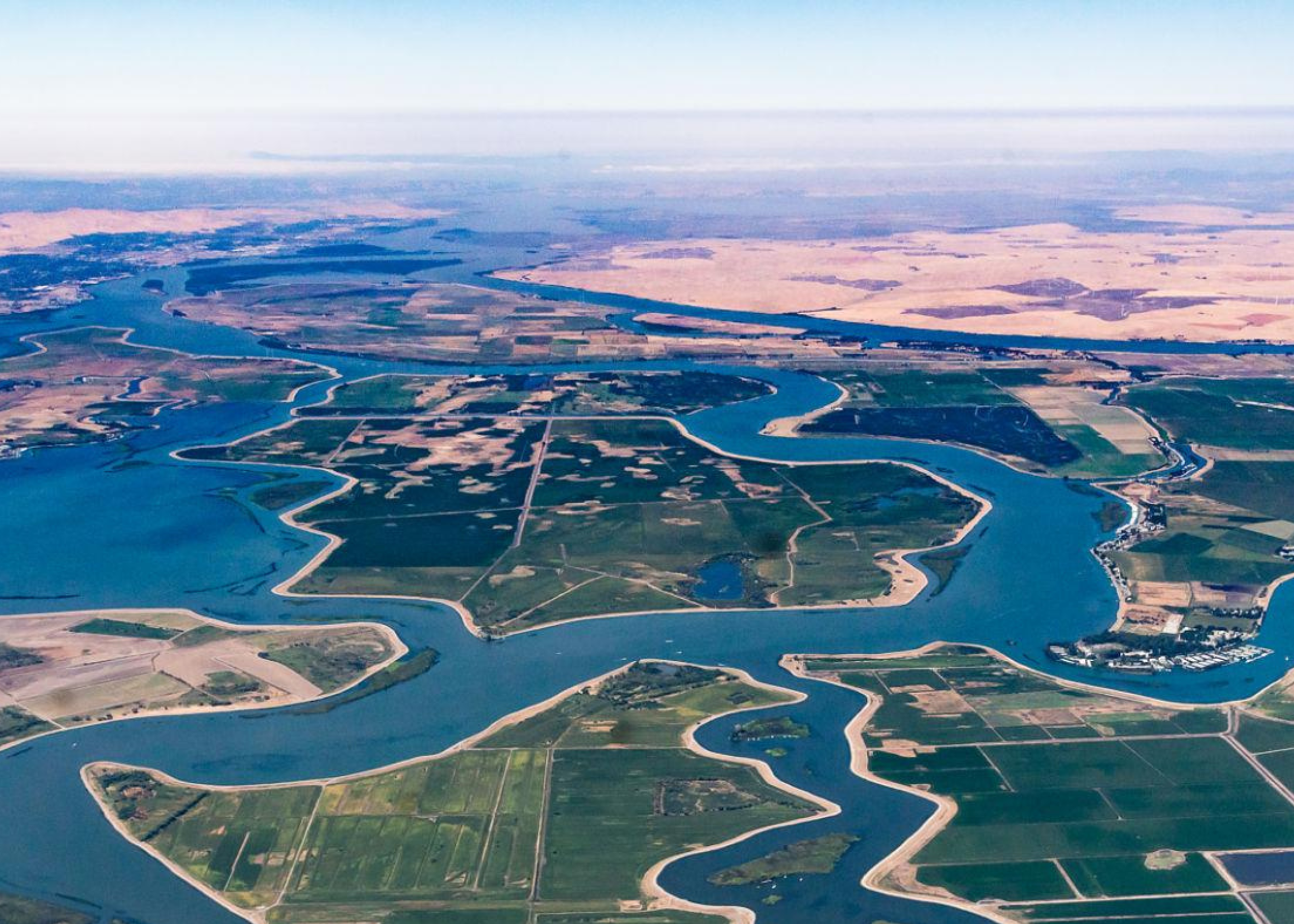
This year is pivotal. The Water Board is expected to take substantive action on the Bay-Delta Water Quality Control Plan — the policy that determines how much water must remain in our rivers to protect fish, water quality, and communities.
For years, scientists have documented the need for stronger, enforceable flow standards to restore ecological function in the Bay-Delta and its tributaries, including the Tuolumne.
Instead, the Governor has pushed for “Voluntary Agreements” (VAs) — privately negotiated deals that would allow major water districts to provide limited flow contributions and funding in exchange for exemptions from stronger regulatory requirements.
If adopted in their current form, the VAs would fall far short of what science tells us is necessary. They risk locking in inadequate flows for decades. They risk pushing struggling salmon runs even closer to collapse. They risk compromising water quality for Delta communities.
And they risk undoing years of progress.
You Showed Up
In the week leading up to the hearing, Yosemite Rivers Alliance partnered with Tribal and conservation allies to host a public speaker training. We wanted people to feel prepared and confident.
Our message was simple:
You don’t need to be an expert.
You just need to care enough to participate.
Our goal was to bring 100 speakers to counterbalance the influence of powerful water extractors and political pressure.
We surpassed it.
I watched as Tribal leaders spoke about sovereignty and Traditional Ecological Knowledge. I listened to Delta residents describe deteriorating water conditions affecting their health and livelihoods. Anglers shared stories of rivers once thick with salmon. Parents spoke about the water their children will inherit.
Board Member Maguire commented on the unprecedented turnout. More importantly, the Board listened.
When the hearing ended, I told our team: They won’t have an easy decision.
And that matters.
A Broad Coalition for Science and Justice
Our advocacy is part of a powerful, growing coalition that includes the Shingle Springs Band of Miwok Indians, the Winnemem Wintu Tribe, Restore the Delta, Friends of the River, Defenders of Wildlife, California Sportfishing Protection Alliance, and many others.
Following the hearings, the Delta Tribal Environmental Coalition formally filed detailed written comments urging the Board to reject the Voluntary Agreements and instead adopt strong, science-based protections that:
Safeguard water quality
Restore ecological function
Respect Tribal sovereignty
Uphold democratic participation in water planning
The public record now clearly reflects overwhelming community opposition to the proposed VAs.
That doesn’t guarantee the outcome. But it changes the landscape.
What Happens Next?
The Board appears torn — between the science and intense political pressure.
It is possible they will move forward with some version of the Voluntary Agreements. If so, we expect improvements as a result of public scrutiny and testimony. It is also possible the process could be delayed beyond the Governor’s term, which ends this year.
If the final decision fails to meet legal and scientific standards, legal challenges are likely. Our coalition has a strong team prepared to defend the river.
In other words: this is not the end of the story.
Why This Matters
Water policy can feel abstract. It unfolds in hearing rooms and regulatory documents. But its consequences are tangible.
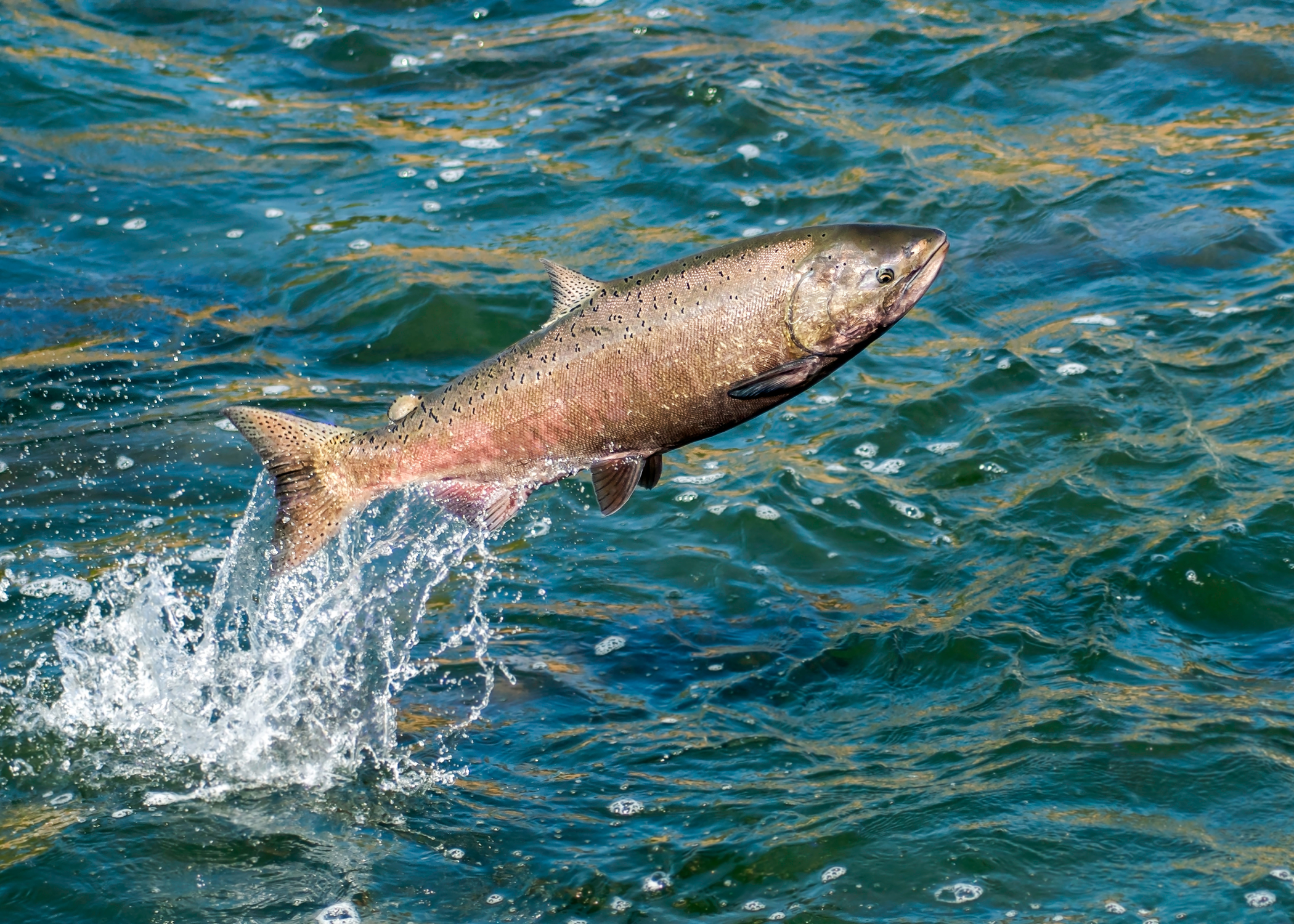
Flows determine whether spring-run Chinook survive their migration home.
They determine whether Delta communities have safe, drinkable water.
They determine whether future generations inherit living rivers — or read about what used to be.
This winter, I was reminded that advocacy is not just about policy language. It’s about people.
It’s about the courage to speak.
The willingness to show up.
The understanding that democracy only works if we participate.
Thank you to everyone who attended the training, gave testimony, submitted comments, or supported this work.
You helped shape the conversation.
You strengthened the record.
You made it clear that Californians expect decisions grounded in science — not politics.
The months ahead will be critical. And we will continue to stand up for rivers that can sustain salmon, communities, and the ecosystems that connect us all.
We’re in this for the long haul.
Remembering
George
armstrong
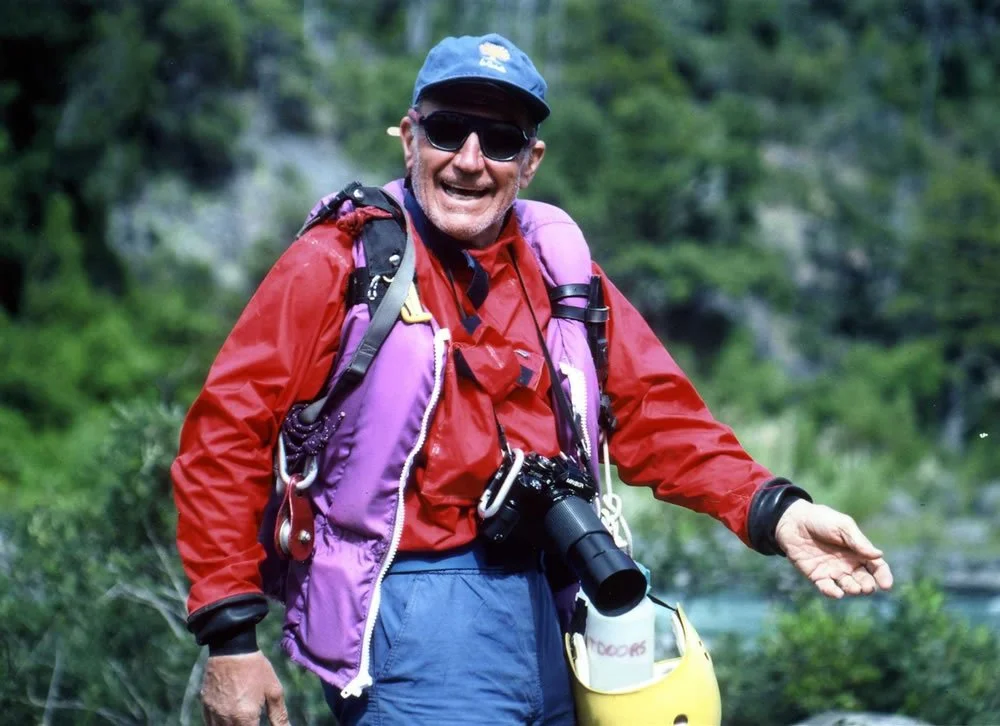
“The legacy that George started is so remarkable, not just with his own family, but through the generations of people who have been introduced to rivers here in California.”
— Peggy Lindsay,
Former River Guide
On January 15, 2026, the river community lost one of its great navigators.
George Armstrong — teacher, outfitter, river advocate, mentor, and friend — passed away at the age of 94, leaving behind a legacy that runs as deep and enduring as the rivers he loved.
In the early 1960s, from his home in Walnut Creek, George founded All-Outdoors California Whitewater Rafting. What began as a way to introduce his students and children to life beyond classroom walls became one of California’s most enduring river communities. Alongside his wife Dolores, George built more than a rafting company — he built a family.
“Ours had the biggest family,” his son Scott once said with a laugh. And he meant it. Over six decades, five children, nine grandchildren, countless guides, and generations of river lovers found their way into the Armstrong orbit. Thirty-five marriages began through All-Outdoors. Thousands learned to read water, paddle in rhythm, and fall in love with wild rivers.
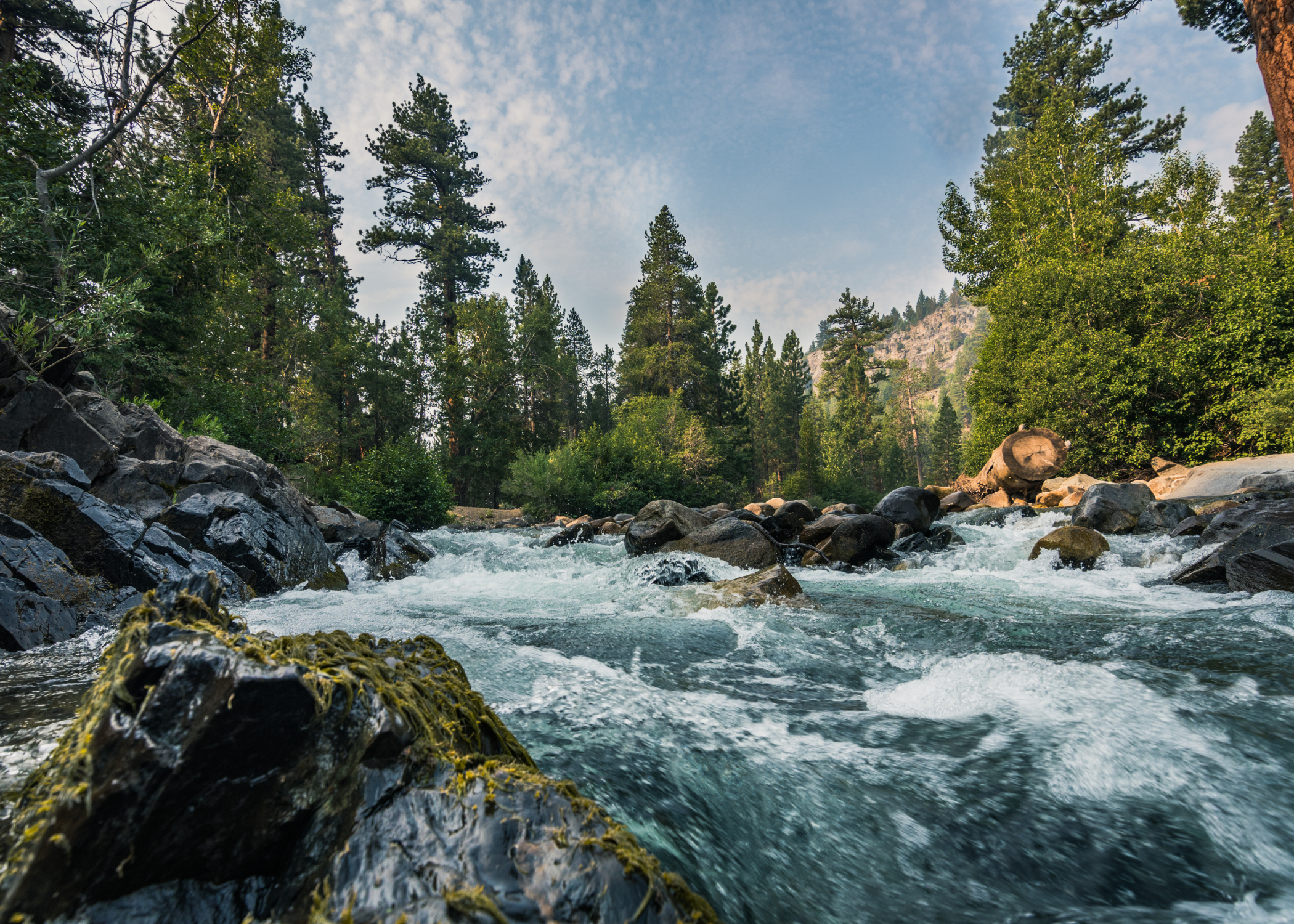
George’s river story began on the Stanislaus, where a chance meeting with rafting pioneer Bryce Whitmore launched a lifelong friendship and deepened his commitment to protecting free-flowing rivers. When the Stanislaus was dammed, the loss cut deeply. As Greg Armstrong once reflected, “It was like a part of us died.” But George did not retreat. He expanded his work to other California rivers — including the Tuolumne — sharing their power and beauty with more than 10,000 people each year.
He was proud not only of the miles run, but of the people raised up along the way. A champion of women river guides long before it was common practice, George operated a guide school for decades and actively recruited women into leadership on the water. His granddaughter would go on to guide in the Grand Canyon — a testament to the generational current he helped set in motion.
Former guide Peggy Lindsay captured it well:
“The legacy that George started is so remarkable, not just with his own family, but through the generations of people who have been introduced to rivers here in California.”
Those who knew George speak first not of business or accolades, but of joy.
“George was an exceptional person to have as a friend,” shared Marty McDonnell. “He epitomized happiness. His smile and laughter will always be fondly remembered. He is with us navigating our journey.”
Even into his nineties, George remained involved — from his home office, from the camp on the South Fork of the American, from the stories passed between boats and bus rides. He often said his “real job” was driving an All-Outdoors bus.
But perhaps his real work was something else entirely.
He introduced people to rivers.
He built belonging.
He helped generations feel the pull of moving water — and the responsibility to protect it.
Today, across the Tuolumne, the American, and rivers throughout California, there are families who met on rapids, guides who found their calling, and children named after waterways. That is George’s wake.
Once you fall in love with running rivers, you never stop.
And thanks to George Armstrong, many never did.
What You Made
Possible
While the rivers ran high and the meadows slept under snow, you were at work.
You organized neighbors.
You brought kids to their first river hike.
You helped salmon, forests, and communities breathe a little easier.
Here’s what your generosity set in motion this season:
180
Voices for the rivers spoke at the State Water Board hearing
$15,265
Raised during Giving Tuesday exceeding our match goal
4-0
Unanimous Vote for $5 Million in Regional Park Investment in Modesto
530,000
Seedlings ready to be planted across 2,500 acres
90
Students learned what makes a river healthy
$355,639
Awarded to expand youth access to parks
1,390
Acres prepared for reforestation
54
Community members connected with nature outside
$3.6 Million
Secured for La Grange Phase 2 River Restoration
you are the
throughline
When someone plants a tree, speaks at a hearing, or identifies an oak leaf for the first time — your generosity is there.
Thank you for making this winter one of momentum, courage, and renewal.
A Letter
from the
River
Dictated by a Spring-Run Chinook Salmon
Dear You,
I don’t know your name.
But I know your work.
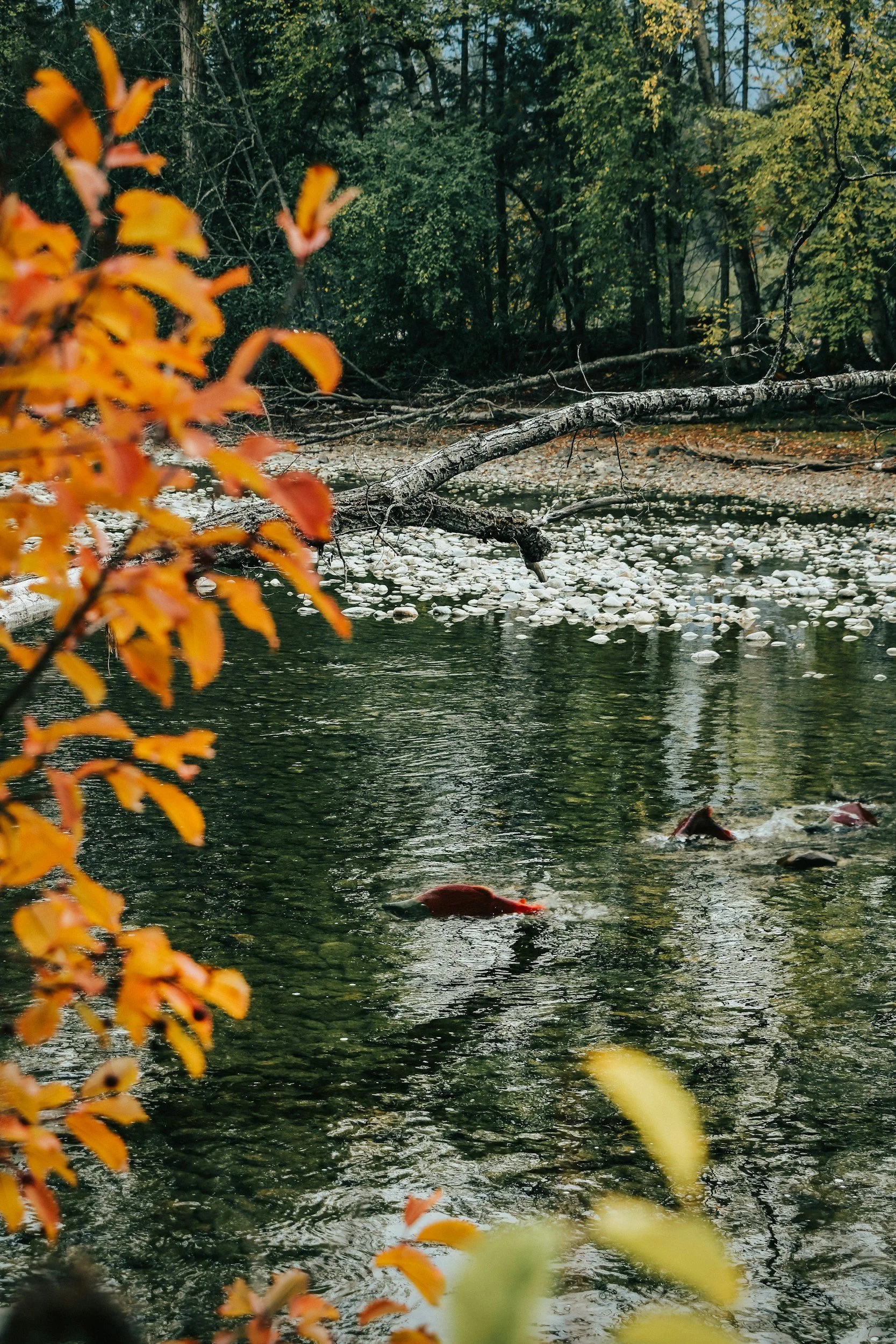
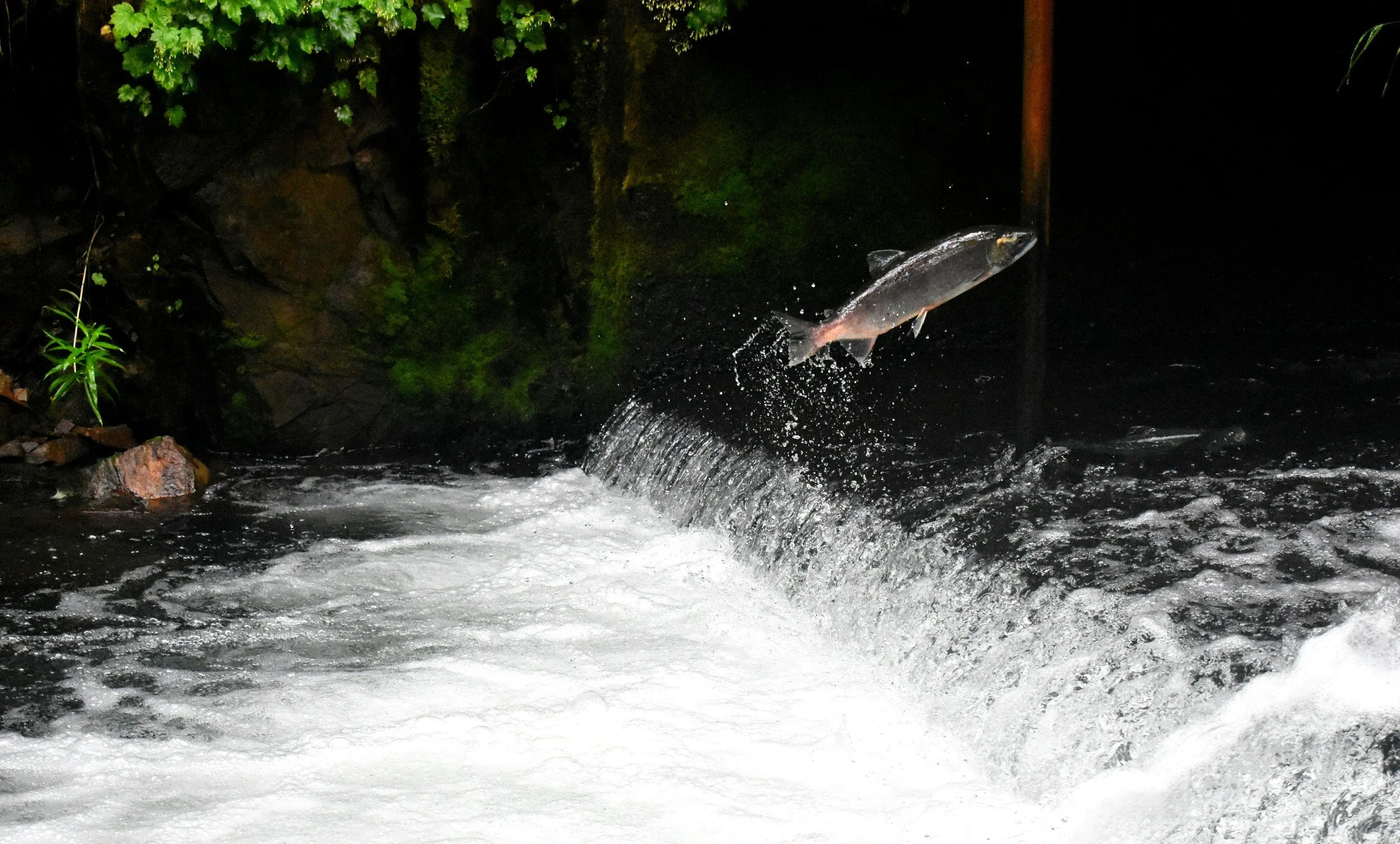
Last fall, I returned to the Tuolumne — the same river where my mother once pressed her body into cool gravel and fanned a cradle for me with her tail.
For a long time, fish like me didn’t come back. The water ran too low. The journey was too hard.
But this year, something was different.
The current held. The water was cold enough to carry hope.
Near La Grange, I found clean gravel shaped by careful human hands — a place built not to block us, but to welcome us home. I circled once. Twice. Then I began to dig.
That shallow nest now holds the next generation. Dozens of translucent fry flicker between the rocks.
They are alive because the river is healing.
And the river is healingbecause of you.
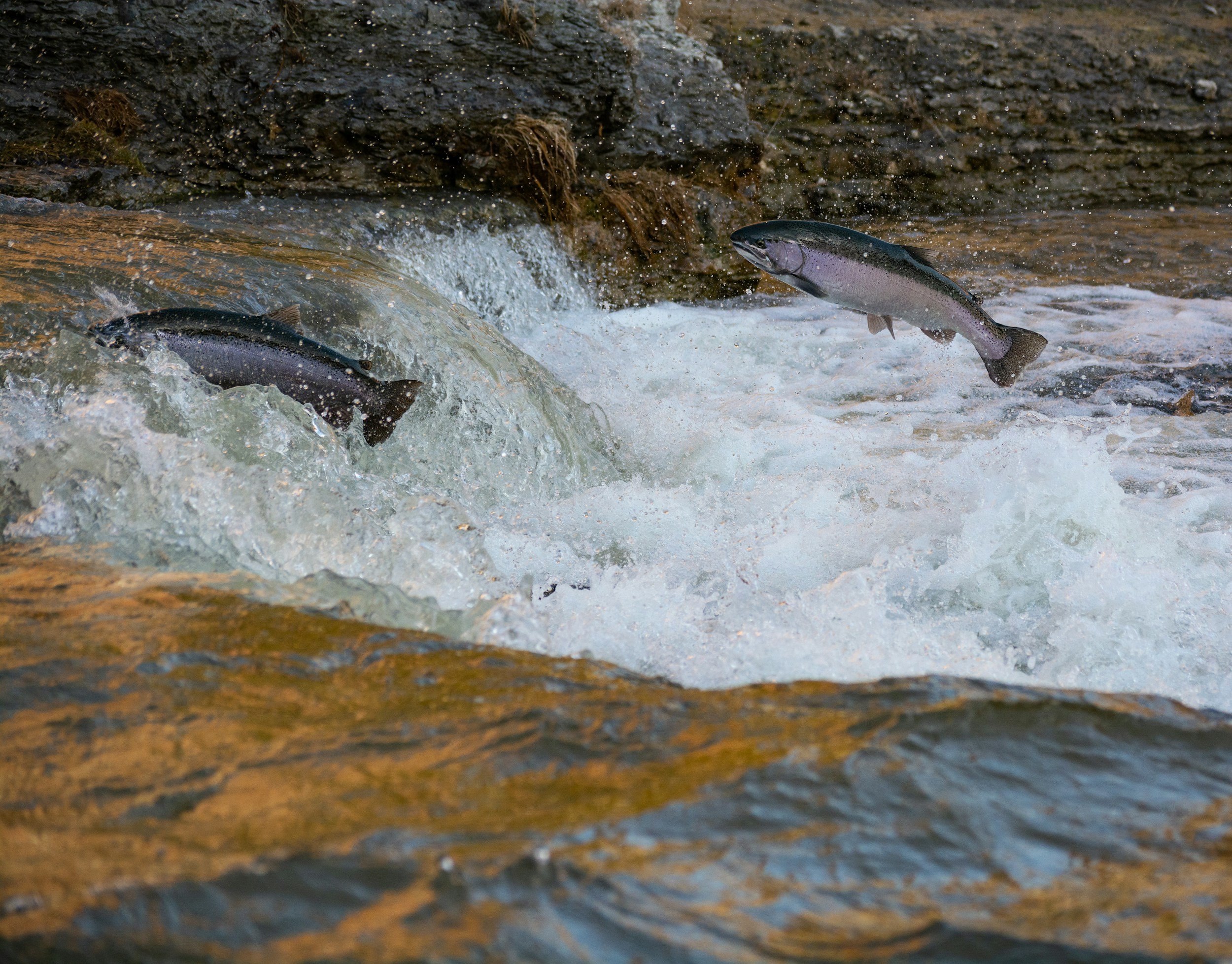
This year, 3,700 fall-run Chinook returned — the most in over a decade. And spring-run salmon — my kind — spawned successfully here for the first time in nearly a century.
But numbers can’t tell you this:
It is no small thing to come home.
We swim hundreds of miles through warming water, narrow channels, and long stretches where the current barely carries us. Every mile asks the same question:
Will the river still remember me?
Because of your support — your voice, your belief that this watershed matters — the answer this year was yes.
The river is better.
It is not yet whole.
The fry tucked into that riffle will need cold water in summer. They will need safe passage through the Delta. They will need people like you to keep choosing a future where rivers run and salmon return.
You are not funding an organization.
You are deciding whether a river remembers its fish.
Thank you for helping me come home.
With gratitude from beneath the current,
A Spring-Run Chinook
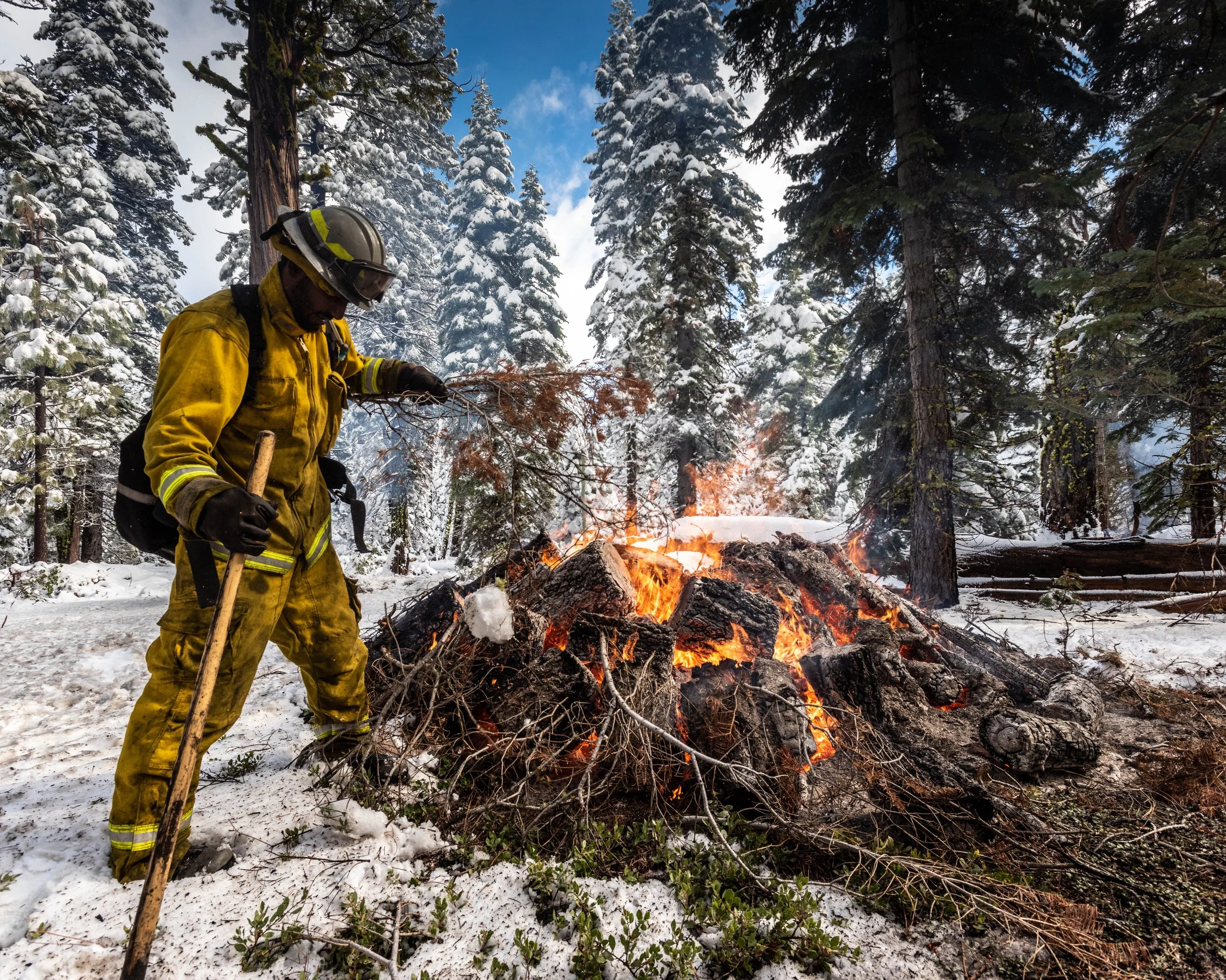
Good Fire Returns to Cedar Ridge
2,429
Acres of forest restored
4,100
Acres treated with beneficial fire
10,000
People better protected from wildfire
Welcoming
Samantha
Peabody
to our advisory council
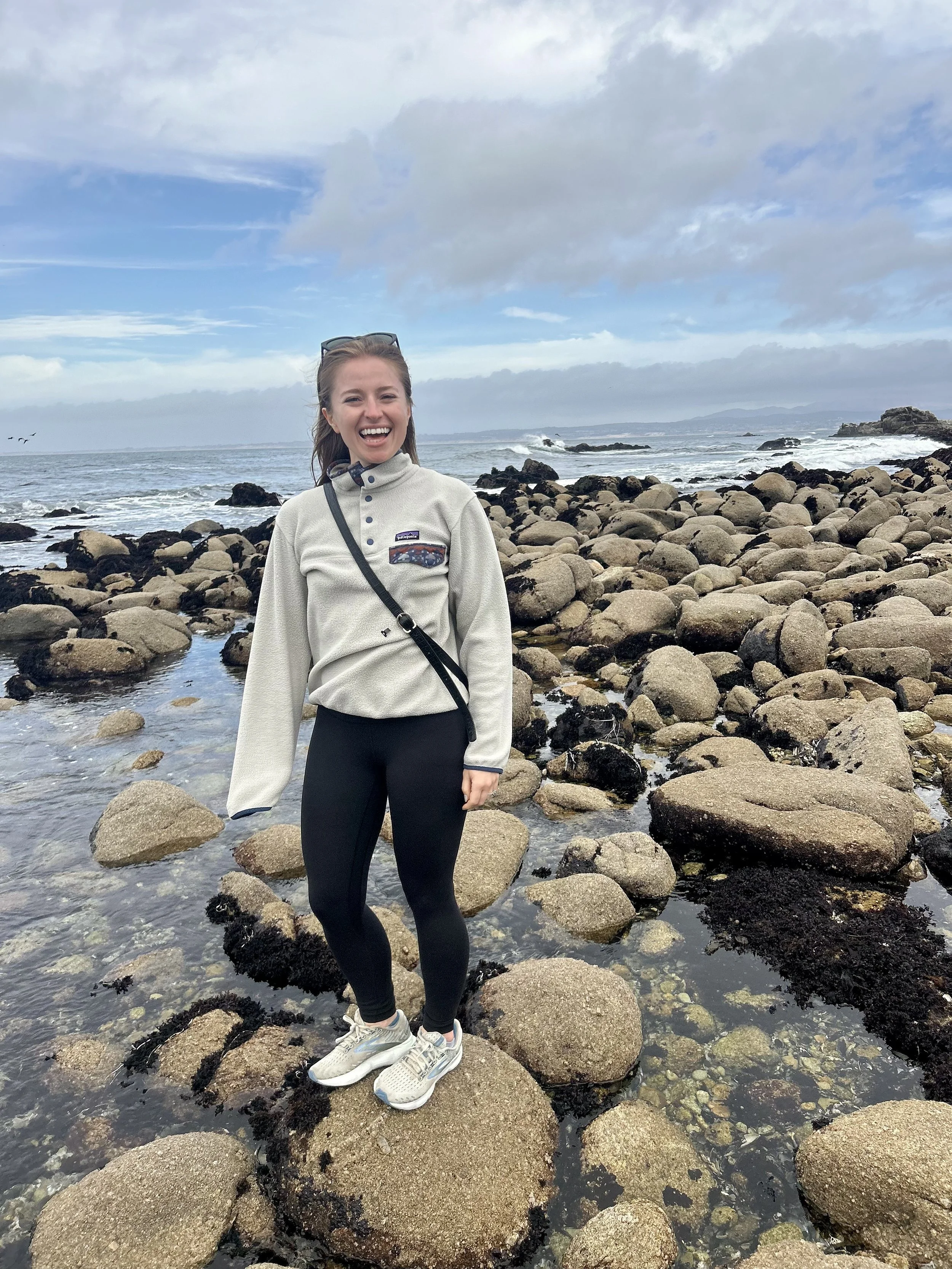
When Samantha (Emmert) Peabody was growing up in the Bronx, her elementary school sat beside one of the last natural saltwater marshes in New York City. For many students it may have looked like an unremarkable patch of water and mud. For Samantha, it was a place of fascination.
She remembers watching horseshoe crabs and other wildlife that had somehow carved out a home in the middle of the city’s waterways. School events focused on protecting the marsh and its wildlife helped spark an early awareness of how vulnerable ecosystems can be — and how much they depend on people willing to stand up for them.
That early curiosity grew into a career. Today, Samantha brings eight years of experience in environmental policy and management, much of it focused on fisheries policy at both the nonprofit and federal levels. Her work has spanned international and domestic fisheries policy, advocacy strategy, nonprofit fundraising and communications, and partnership development across NGOs, academic institutions, governments, and journalists.
After moving to Palo Alto this year, Samantha connected with Yosemite Rivers Alliance Policy Director Peter Drekmeier and began attending regional water policy meetings. The experience reinforced something she has long believed: that the health of rivers, fisheries, and oceans are deeply connected.
“I believe there is an important and underserved overlap between ocean and fisheries policy and inland water policy,” she shared when joining the Advisory Council. “I’d love to apply what I’ve worked on in ocean and fisheries policy to help protect inland waterways and the ecosystems and communities that depend on them.”
Despite the many challenges facing California’s rivers, Samantha finds hope in the next generation of environmental stewards. She notes that the surge in domestic travel during the COVID pandemic led many young people to discover nearby rivers, mountains, and coastlines for the first time.
“Every interaction with the environment or wildlife is an opportunity to inspire conservation action,”she says.
Outside of policy work, Samantha connects with water in just about every way she can. She has been a PADI-certified scuba diver for more than 15 years and occasionally joins her husband and friends on whitewater rafting trips. And closer to home, the connection continues in an unexpected place — her kitchen.
“I make sourdough bread with water sourced from the Tuolumne River on a weekly basis,” she says.
We’re grateful to welcome Samantha’s experience, curiosity, and cross-ecosystem perspective to the Yosemite Rivers Alliance Advisory Council. Protecting rivers requires collaboration across landscapes, disciplines, and communities — from mountain headwaters to the ocean — and Samantha brings exactly that kind of holistic thinking to the work ahead.
Keep the Momentum
Flowing
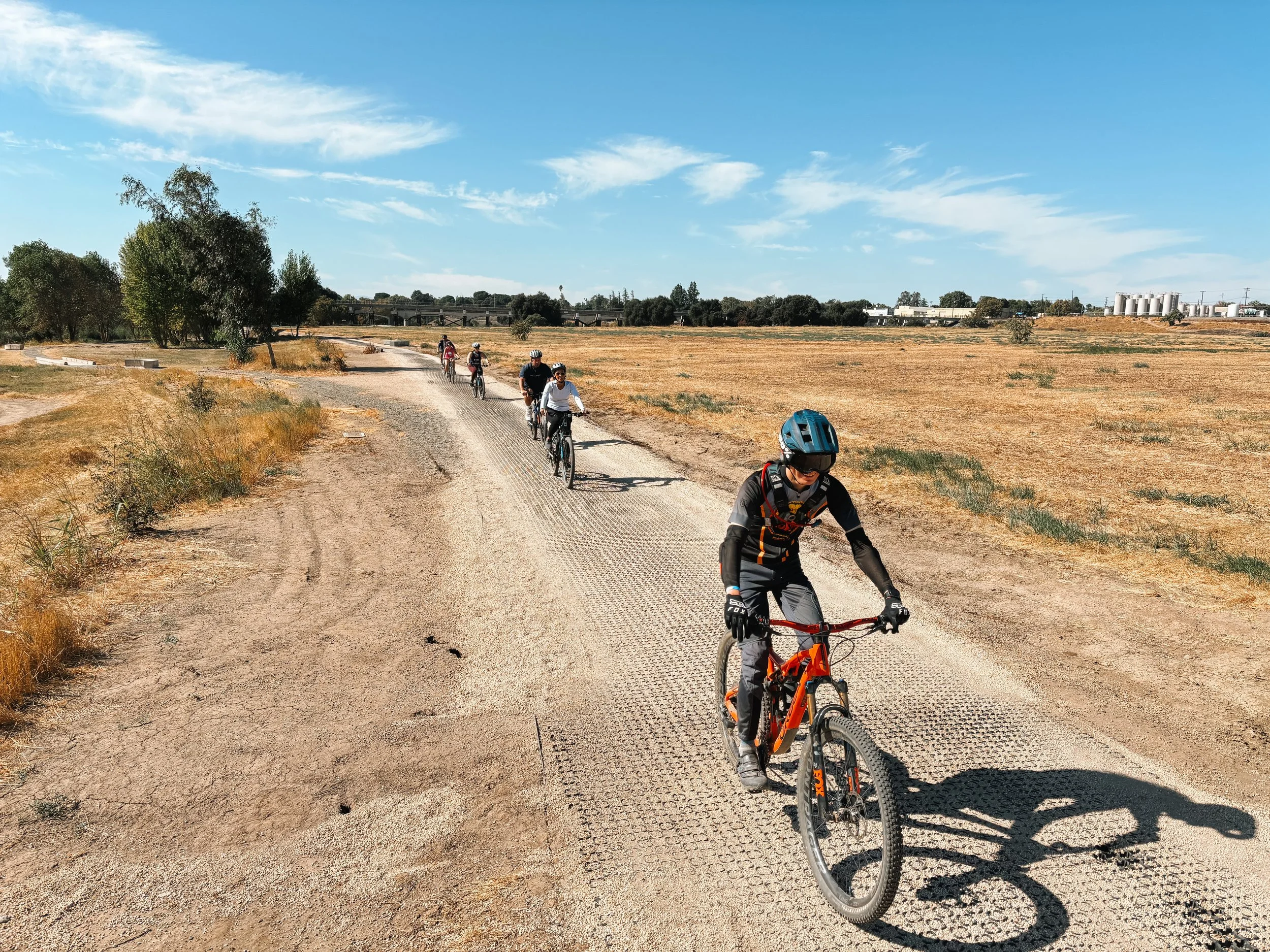
SAT
MAY 2
Modesto RecFest
A day of free outdoor fun, local partners, and hands-on ways to connect with nature.
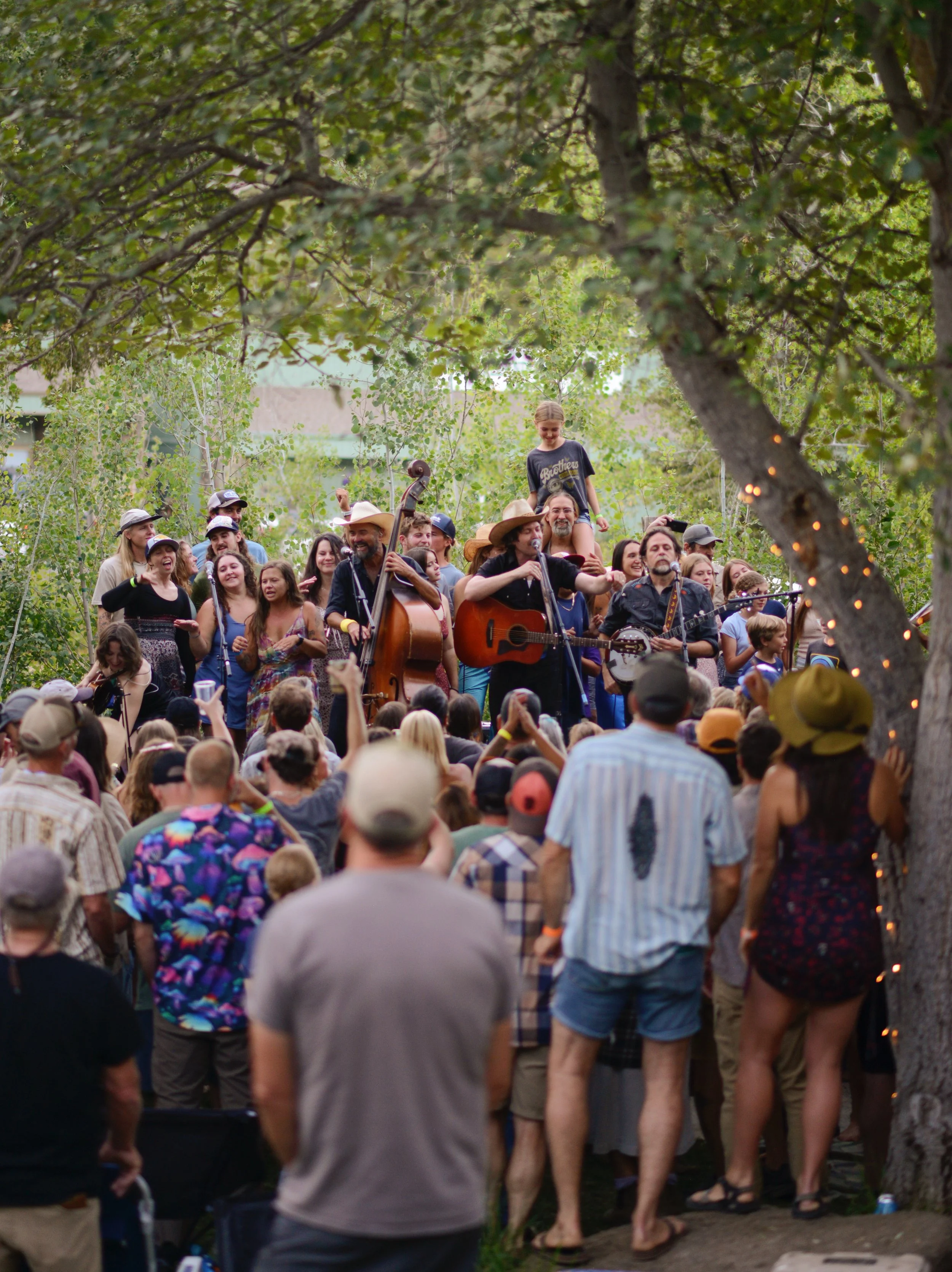
Brothers Comatose Summer Concert
SUN
JUNE 21
An unforgettable evening of high-energy bluegrass, community connection, and river love.
Your support safeguards the Tuolumne, Merced, and Stanislaus Rivers and the communities, forests, wildlife, and future generations who depend on them. Every gift helps restore habitat, build forest resilience, protect river flows, and connect young people with the watershed.
Help Keep Yosemite Flowing
Help Keep Yosemite Flowing