
The road back to the river: Lumsden Road is open again
After three years of closure, the gateway to one of California's most beloved stretches of wild river is finally, officially open. Here's how we got here.
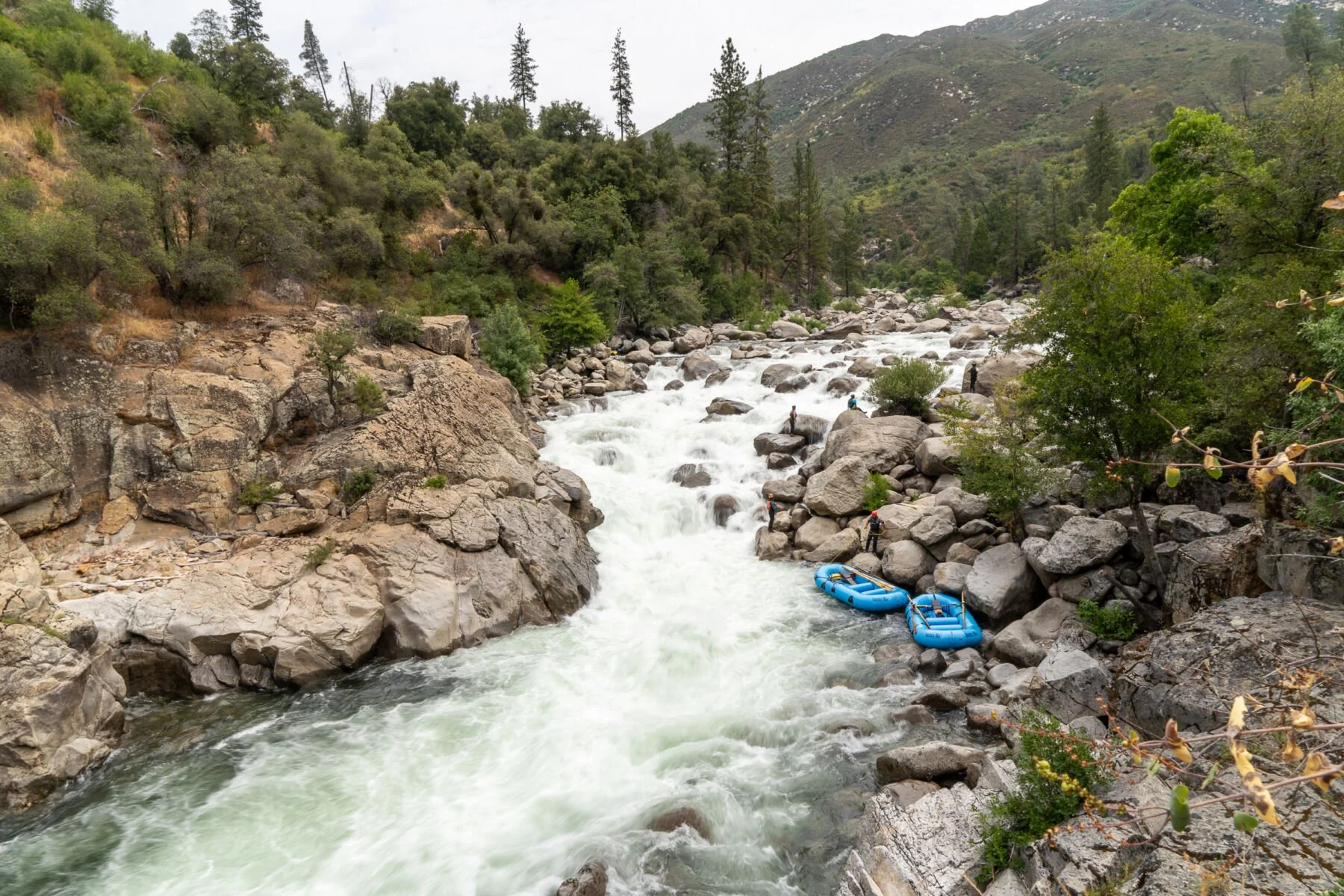
On a warm May morning, you can hear the Tuolumne River before you see it. The sound rises up from the canyon — a low, rushing roar that gets louder as the road winds down through oak and manzanita, past sun-warmed granite, until the river finally comes into view: cold, clear, and full of life.
For three years, that road was closed.
Lumsden Road — the primary public access point to the Wild and Scenic Tuolumne River at Meral's Pool — was washed out during the severe winter storms of 2022–23, cutting off one of the most storied whitewater runs in California and severing the public's connection to a river that sustains millions. Last week, after years of advocacy, coalition-building, and hard work by crews from two national forests, that road is open again.
It's a win. And it didn't happen by accident.
What was lost and why it mattered
Lumsden Road isn't just a road. It's the entry point to the Main Tuolumne and exit from the Cherry Creek/Upper Tuolumne whitewater river runs — stretches of the Tuolumne River that draws paddlers, anglers, and wilderness seekers from across the West. The launch at Meral's Pool is where generations of river runners have put in, where families have camped along the Tuolumne's banks, where the canyon opens up and the modern world falls away.
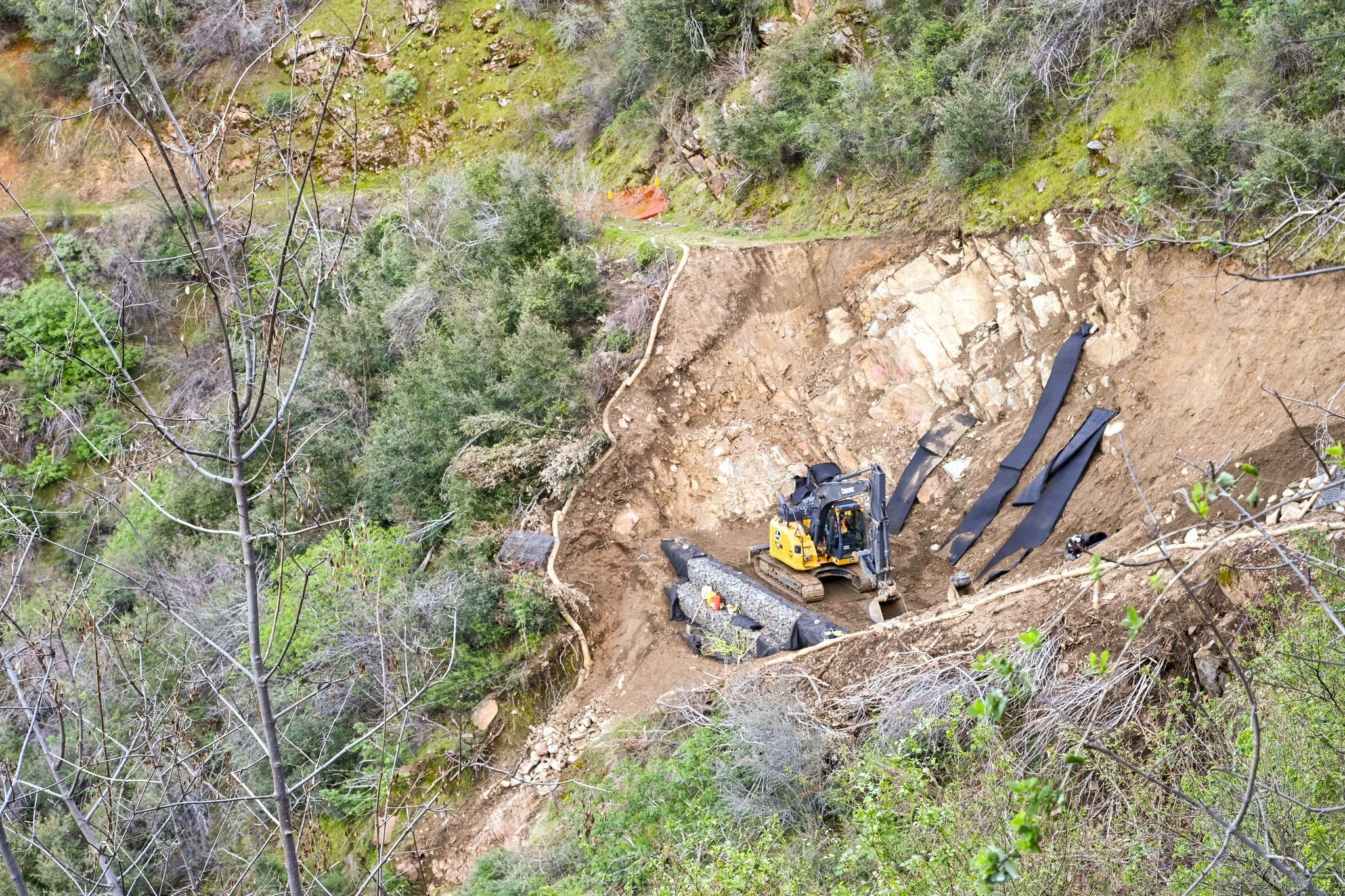
When the road washed out in early 2023, access to this section of the Wild and Scenic Tuolumne essentially disappeared for three boating seasons. For local outfitters, guides, and the communities of Tuolumne County that depend on river-based recreation and tourism, the closure hit hard. For everyone who believes in the public's right to connect with wild rivers, it was a reminder of how fragile that access can be.
"The Tuolumne is one of California's crown jewels — not just as a source of drinking water for millions of Bay Area residents, but as a place where people come to experience something wild and real," said Patrick Koepele, Executive Director of Yosemite Rivers Alliance.
"When you lose access to a river like this, you lose more than recreation. You lose the connection that makes people want to protect it in the first place."
Building a coalition, stone by stone
Getting Lumsden Road repaired required more than funding. It required sustained advocacy from a coalition of partners who refused to let the issue quietly fade.
Yosemite Rivers Alliance worked alongside American Whitewater, the Stanislaus National Forest, Visit Tuolumne County, the Yosemite Chamber of Commerce, Congressman Tom McClintock's office, Sierra Mac River Trips, All-Outdoors California Whitewater Rafting, ARTA River Trips, O.A.R.S., Outdoor Alliance and others to keep pressure on, keep the project moving, and keep the public informed along the way.
Securing that coalition — and keeping it together across three years — was itself a kind of conservation work.
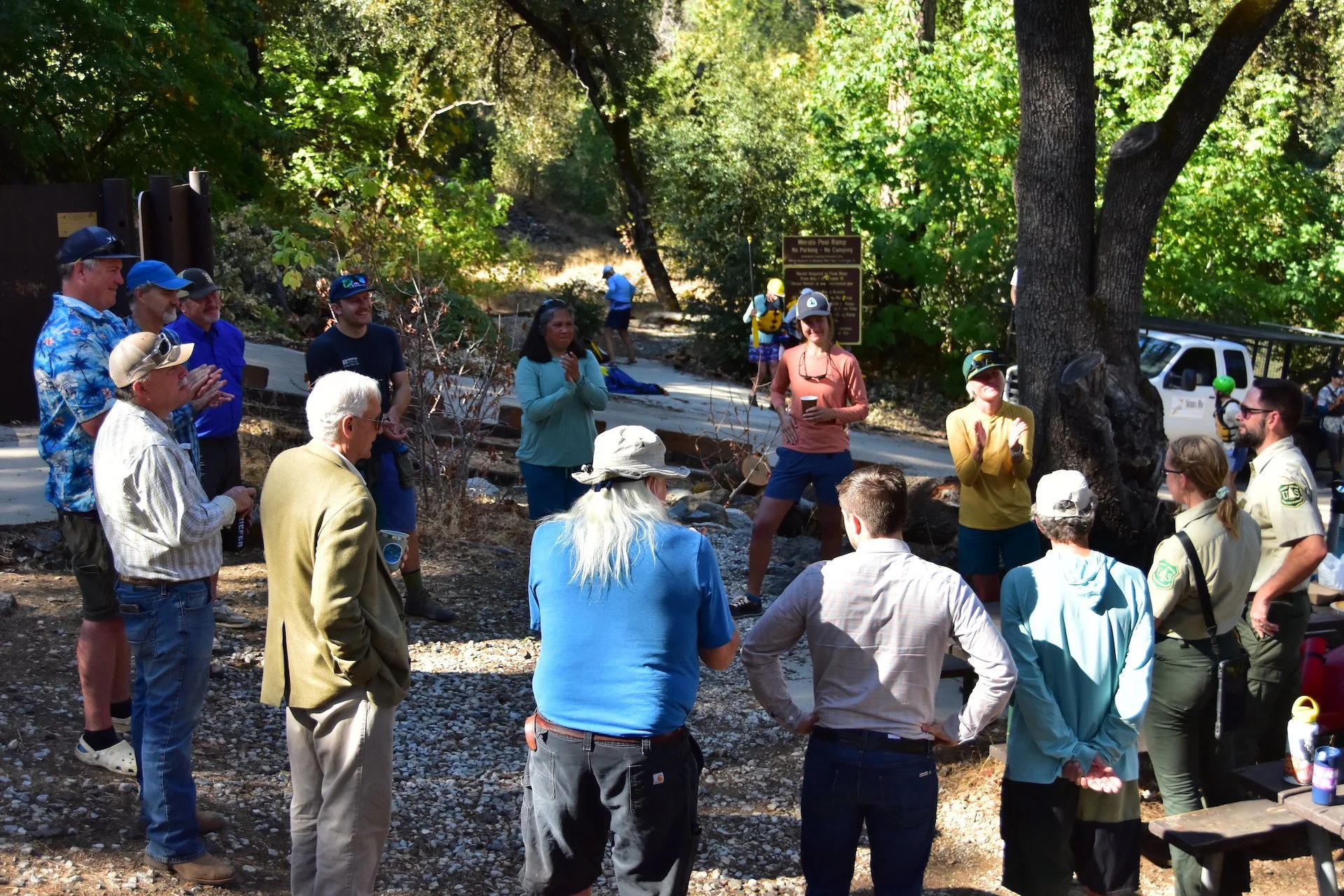
"This is exactly what collaboration looks like in practice," said Koepele. "It's not one organization, one agency, or one champion. It's river guides and elected officials and federal land managers and local businesses all rowing in the same direction. When you get that kind of alignment, things start to move."
“We protect what we love, and we love what we know.”
The funding that made repairs possible came through the Federal Highway Administration's Emergency Relief for Federally Owned Roads (ERFO) program, annual appropriated roads funding, and the American Relief Act — a total of approximately $1.45 million directed toward repairing failed sites on the road. The construction contract was awarded in fall 2025, crews began work, and by mid-May 2026, Lumsden Road was open to the South Fork Campground.
The launch at Meral's Pool is accessible. Both Lumsden and South Fork campgrounds are open. And work continues — crews from the Stanislaus and Shasta-Trinity National Forests are now repairing the remaining stretch from South Fork Campground to Jawbone, a project expected to be complete by end of summer 2026.
What the river gives back
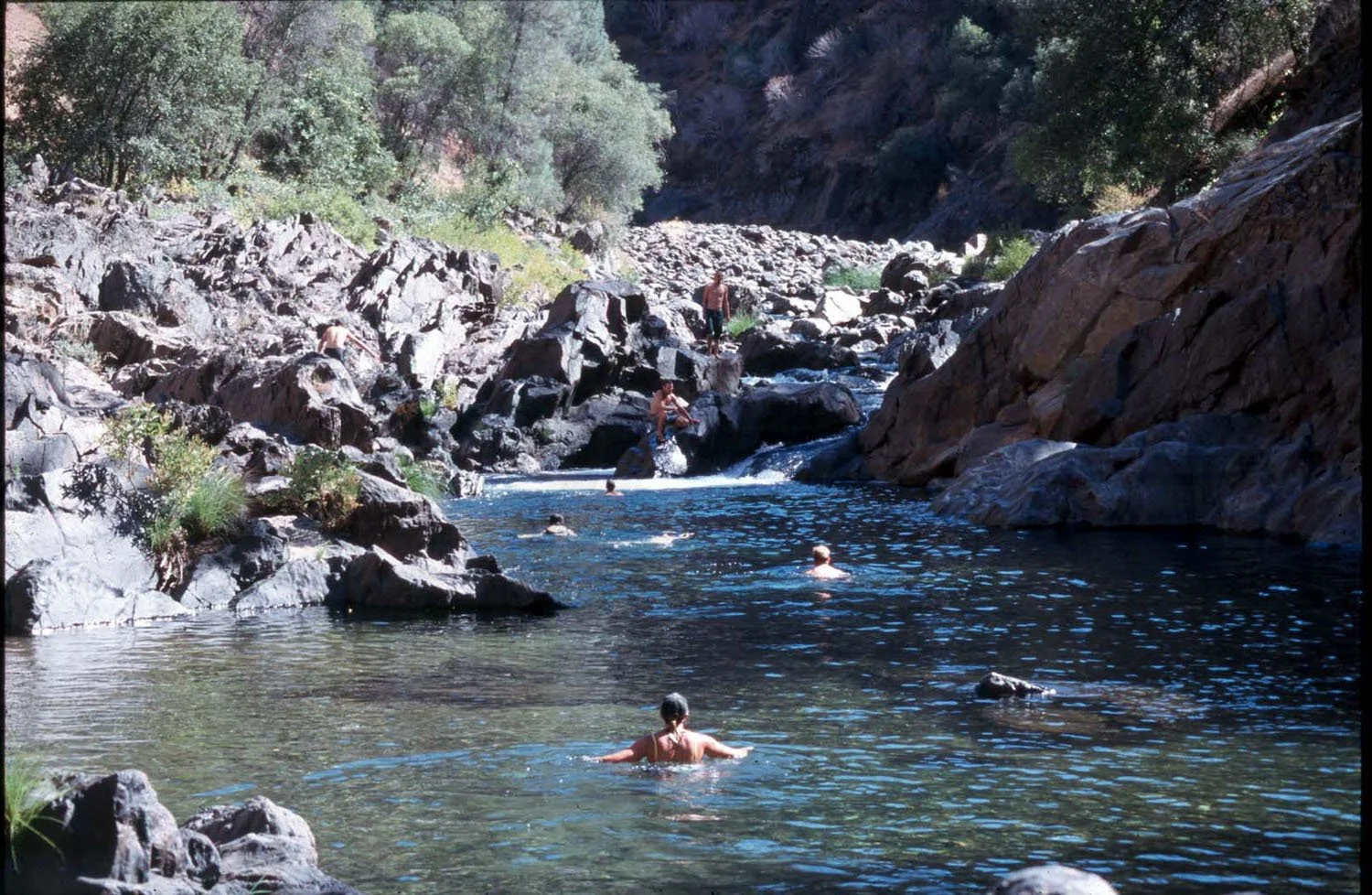
Reopening Lumsden Road is about more than recreation access. It's about restoring a living relationship between people and the Tuolumne.
The Tuolumne River begins in the high country of Yosemite, threads through one of California's most spectacular river canyons, and ultimately delivers drinking water to 2.7 million Bay Area residents. Its waters nourish Central Valley farmland and support over 600 wildlife species. The river once ran with more than 100,000 Chinook salmon each year — a number now reduced to a few thousand, though spring-run salmon have been returning in encouraging signs of recovery.
When people can get to the river — when they can paddle it, fish it, camp beside it, or simply sit and watch it run — they become its advocates. They develop a stake in its health. They show up for it.
That's why access matters. And that's why three years of advocating for one road was worth every effort.
"We protect what we love, and we love what we know," Koepele said. "Getting people back to the Tuolumne isn't just a recreation win. It's the beginning of the next generation of river stewards."
A note for the 2026 season
A few details worth knowing before you head out:
Lumsden Road is open to South Fork Campground as of May 19, 2026. The launch at Meral's Pool and both campgrounds (Lumsden and South Fork) are open.
Cottonwood Road reopened May 21, 2026.
Private rafting permits are waived for the 2026 season due to ongoing road reconstruction. Permits will resume in October 2026 and are available at Rec.gov.
The road remains closed from South Fork Campground to Jawbone while repairs continue. That section is expected to open by end of summer.
Stand with us for our rivers
This victory took three years and the effort of dozens of partners. It's proof of what's possible when communities, agencies, advocates, and public land managers work together toward a shared goal.
At Yosemite Rivers Alliance, this is what we do — not just for Lumsden Road, but for every river, every watershed, every threatened stretch of habitat across the Yosemite region. We show up. We build coalitions. We stay in it for the long haul.
If this work matters to you, we'd be honored to have you with us.
Help keep Yosemite flowing → yosemiterivers.org/donate
