
From the moon, Earth looks like one blue, fragile world.
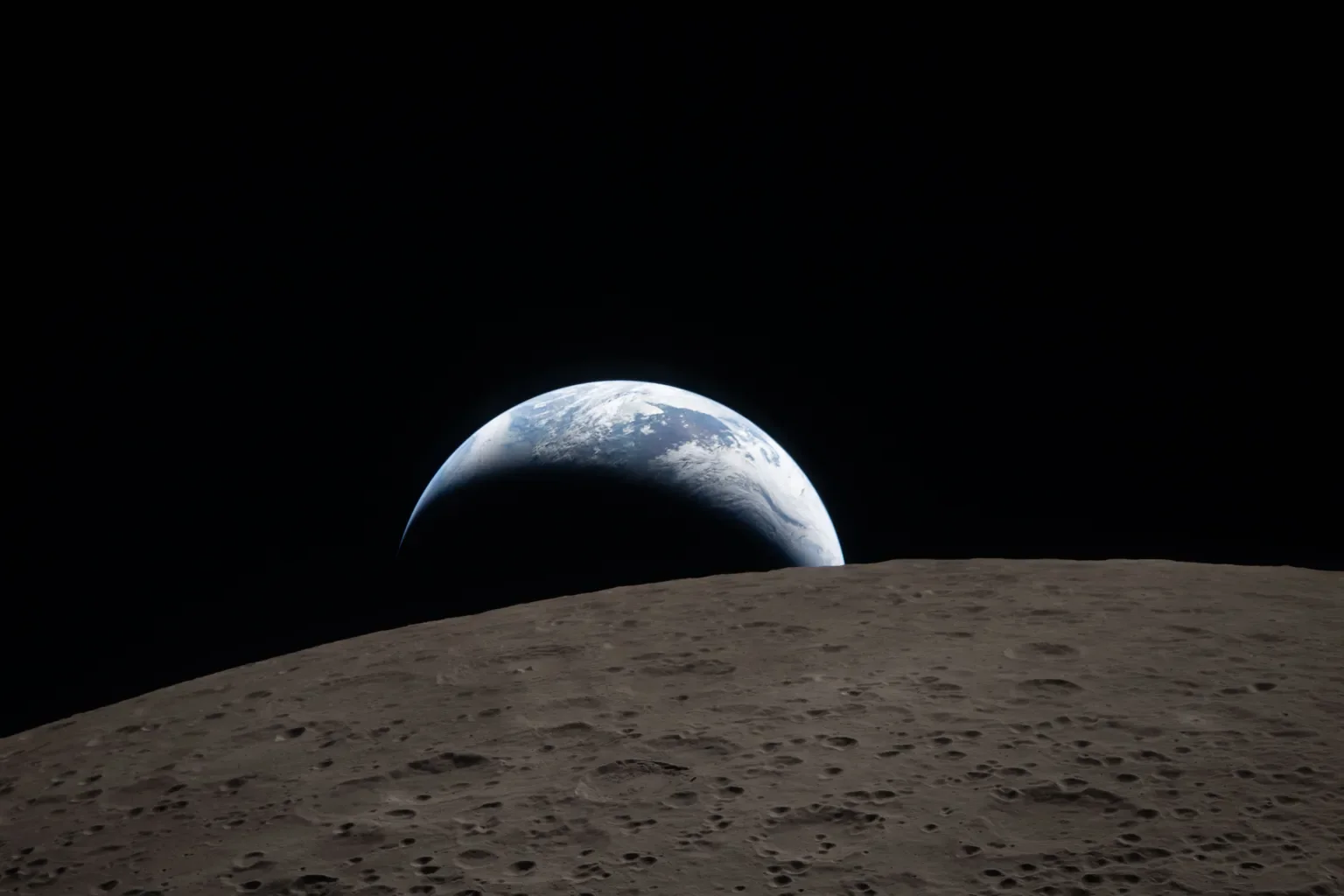
Right now four human beings are farther from Earth than anyone has been in more than half a century.
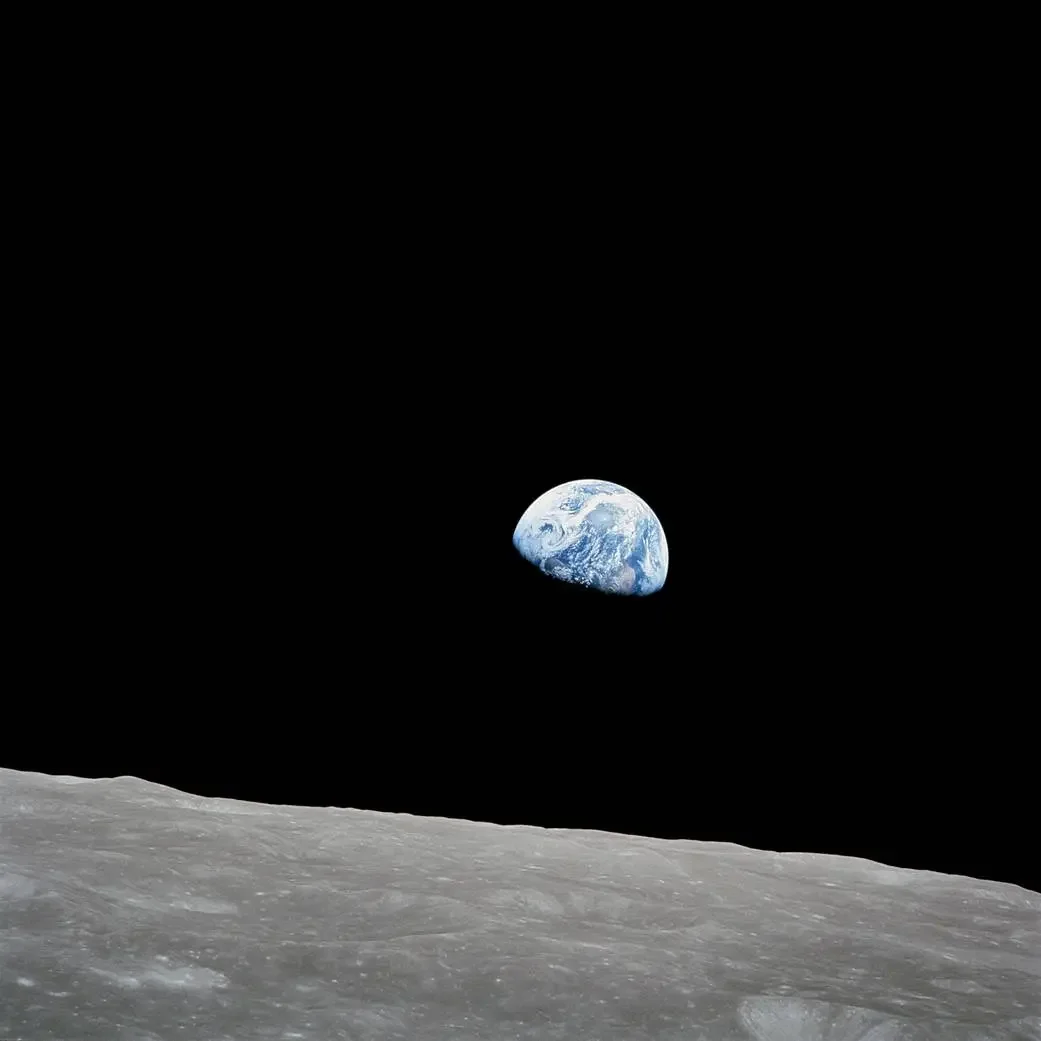
They are circling the Moon aboard NASA’s Artemis II spacecraft. And at some point during this journey, they will look back through the window at the planet that made them and try to take a photograph first captured in 1968—an image known as Earthrise.
That photograph changed how we see ourselves.
For the first time, humanity saw Earth not as a collection of countries, borders, or conflicts—but as a single, fragile, blue world suspended in darkness. Within 16 months, Earth Day was born.
Now, more than fifty years later, we are looking back again.
A Blue Planet—and a Rare Kind of Water
See the full picture → We turned this story into a short, visual guide you can read in 2 minutes. Download the guide
From a quarter million miles away, Earth does not look like a place of continents and cities. It looks almost entirely blue.
Seventy-one percent of this planet is covered in water. But almost all of it—97 percent—is salt. Of the small fraction that is fresh, most is locked away in ice.
What remains is extraordinarily rare: the water that moves.
The water that falls as snow in the Sierra Nevada, melts into rivers, and travels through forests, canyons, farms, and communities before reaching the sea.
Some of that water begins here.
In the high country of Yosemite. In the Tuolumne, the Merced, and the Stanislaus Rivers. In snowpack that gathers quietly through winter, storing what will sustain millions of people and countless species in the months to come.
It is easy to take that water for granted when it flows from a tap.
It is harder to ignore when you imagine it from space.
The Moon, the Tides, and the Salmon
There is something else happening out there tonight that is easy to overlook.
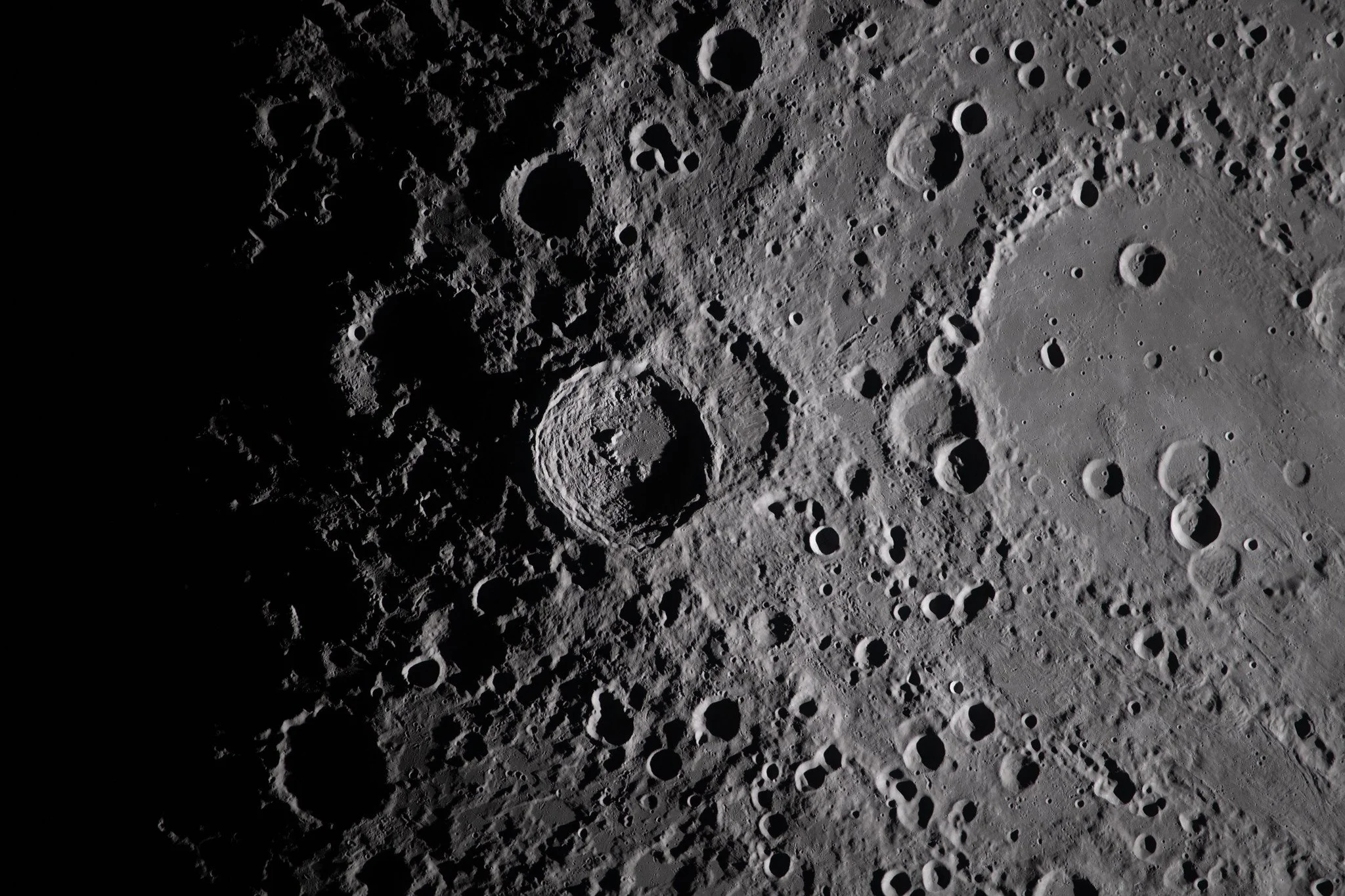
The same force guiding the Artemis II spacecraft around the Moon is also shaping life here on Earth.
The Moon’s gravity pulls on the oceans, creating tides that rise and fall each day. Those tides, in turn, create the conditions that guide salmon from the Pacific Ocean back into the rivers where they were born.
When the tides shift, the salmon move.
The Moon calls them home.
For thousands of years, salmon returned up the Tuolumne River in vast numbers—traveling from the ocean through the Bay, into the river, and toward the cold, clear waters of the Sierra.
That connection has been broken in many places. Dams, altered flows, and degraded habitat have cut off pathways that once felt as inevitable as the tides themselves.
Part of our work is to restore that connection—to give the river, and the species that depend on it, a chance to respond again to the rhythms that have always guided them.
The View That Changes Everything
Astronauts have a name for what happens when they see Earth from space.
They call it the overview effect—a sudden, profound shift in perspective. The realization that this planet is small, interconnected, and deeply vulnerable. That the lines we draw between each other are invisible from above. That what we share is far greater than what divides us.
You don’t need to travel to the Moon to feel it.
You can stand at the edge of a river and begin to understand.
Watch water moving downstream—water that fell as snow high in the mountains, that will pass through a bay, into the Pacific Ocean, into clouds, and eventually return again as rain or snow.
It is one continuous system.
And we are part of it.
What We Choose to Protect
Earth Day was created because of a photograph—because, for a moment, people saw the planet clearly.
We have that opportunity again.
Not just to see, but to decide what we do with that perspective.
At Yosemite Rivers Alliance, our work is rooted in something simple: protecting the small fraction of water that makes life on land possible.
Restoring floodplains so rivers can spread and recharge groundwater. Supporting healthy forests that store snow and release it slowly. Advocating for river flows that sustain fish, wildlife, and communities.
This work can feel local. And it is.
But it is also part of something much larger.
Because the water that moves through these rivers does not stay here. It flows outward—into the Bay, into the ocean, into the atmosphere, and back again.
It is part of the same blue planet those astronauts are looking at right now.
A Moment to Step Closer
In a couple of days, the Artemis II crew will return home—splashing down in the Pacific Ocean.
The same ocean that receives the water flowing out of these rivers.
The same ocean connected to the tides that guide salmon.
The same ocean that helps regulate the climate we all depend on.
It is all connected.
Earth Day is just around the corner.
If there is anything this moment offers us, it is a chance to pause and remember that the systems sustaining life on this planet are both vast and incredibly fragile—and that the work of protecting them begins in very specific places.
Places like this.
You Don’t Need to Go to Space to Protect This Planet
Astronauts call it the overview effect—the moment you see Earth as it truly is: small, interconnected, and worth protecting.
You can feel that same connection standing at the edge of a river.
And you can act on it.
Your support helps restore rivers, protect wildlife, and ensure that the water sustaining millions continues to flow—today and for generations to come.
Because this is the only blue planet we have.
See the Whole System
The story of water doesn’t begin at your tap—and it doesn’t end at the river.
If you want to explore that full connection, we’ve created a short visual guide to follow the journey from the Sierra to the sea and back again.
