
How river lovers saved the Tuolumne: 42 years of Wild and Scenic protection
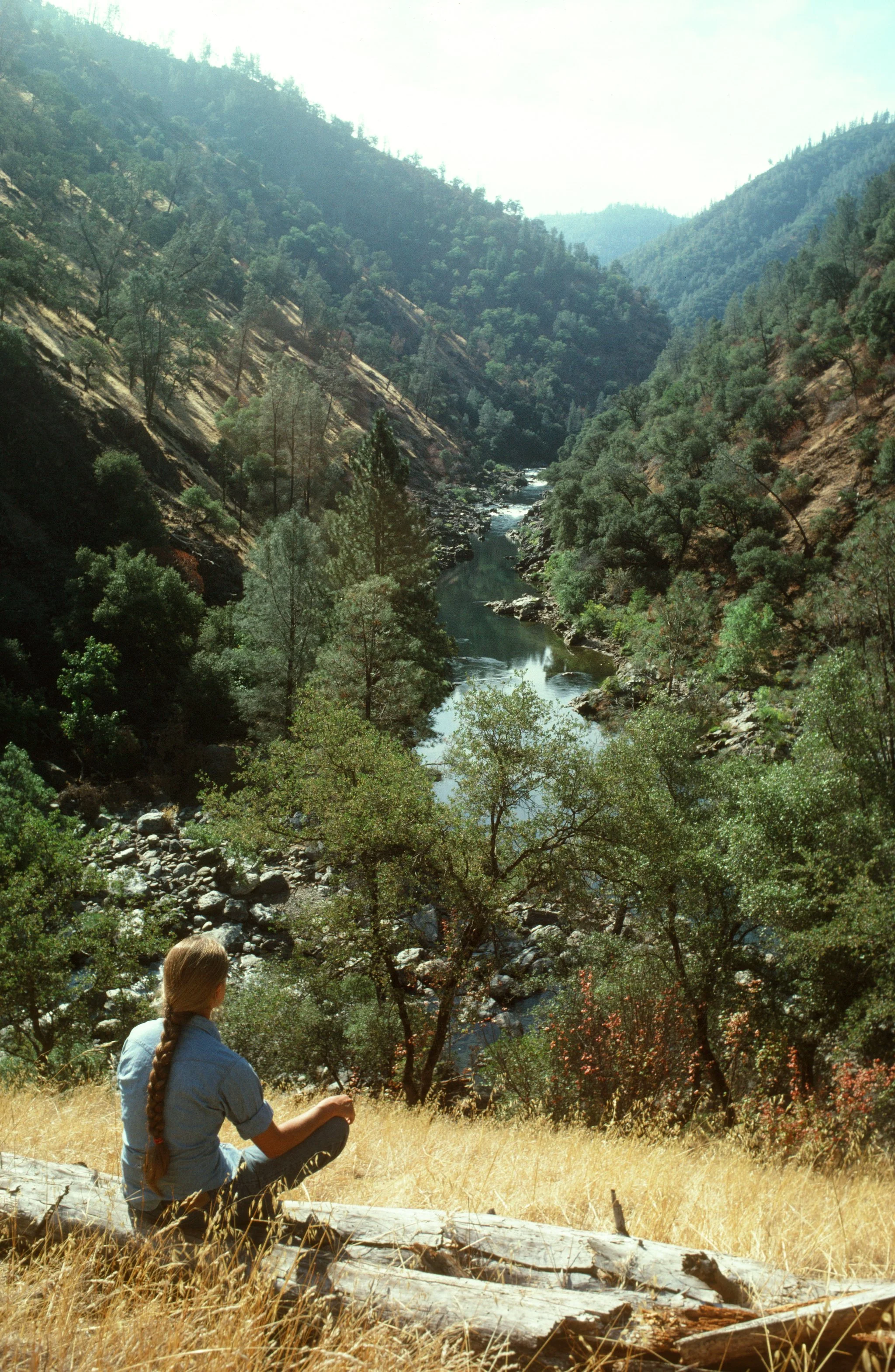
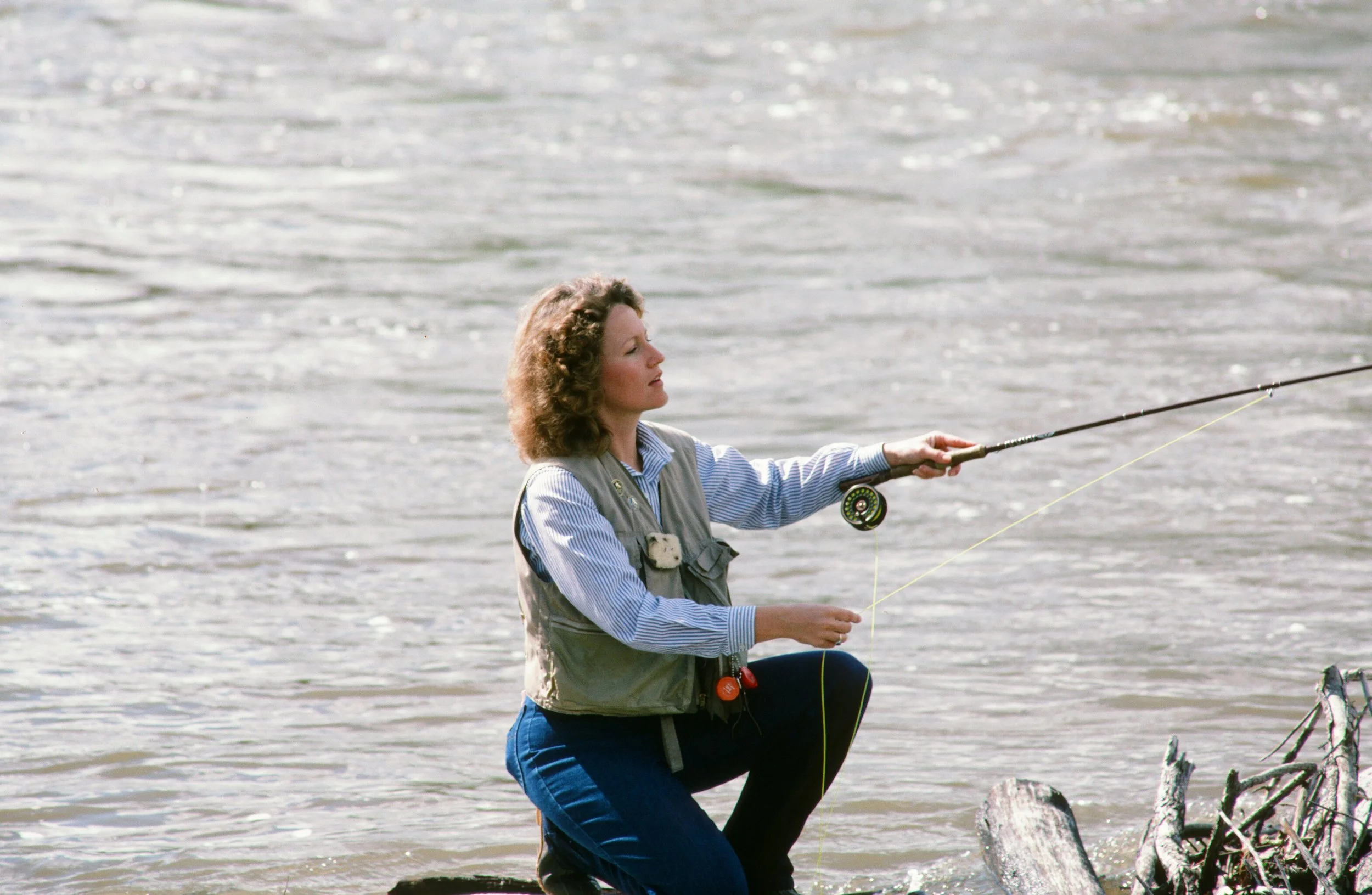
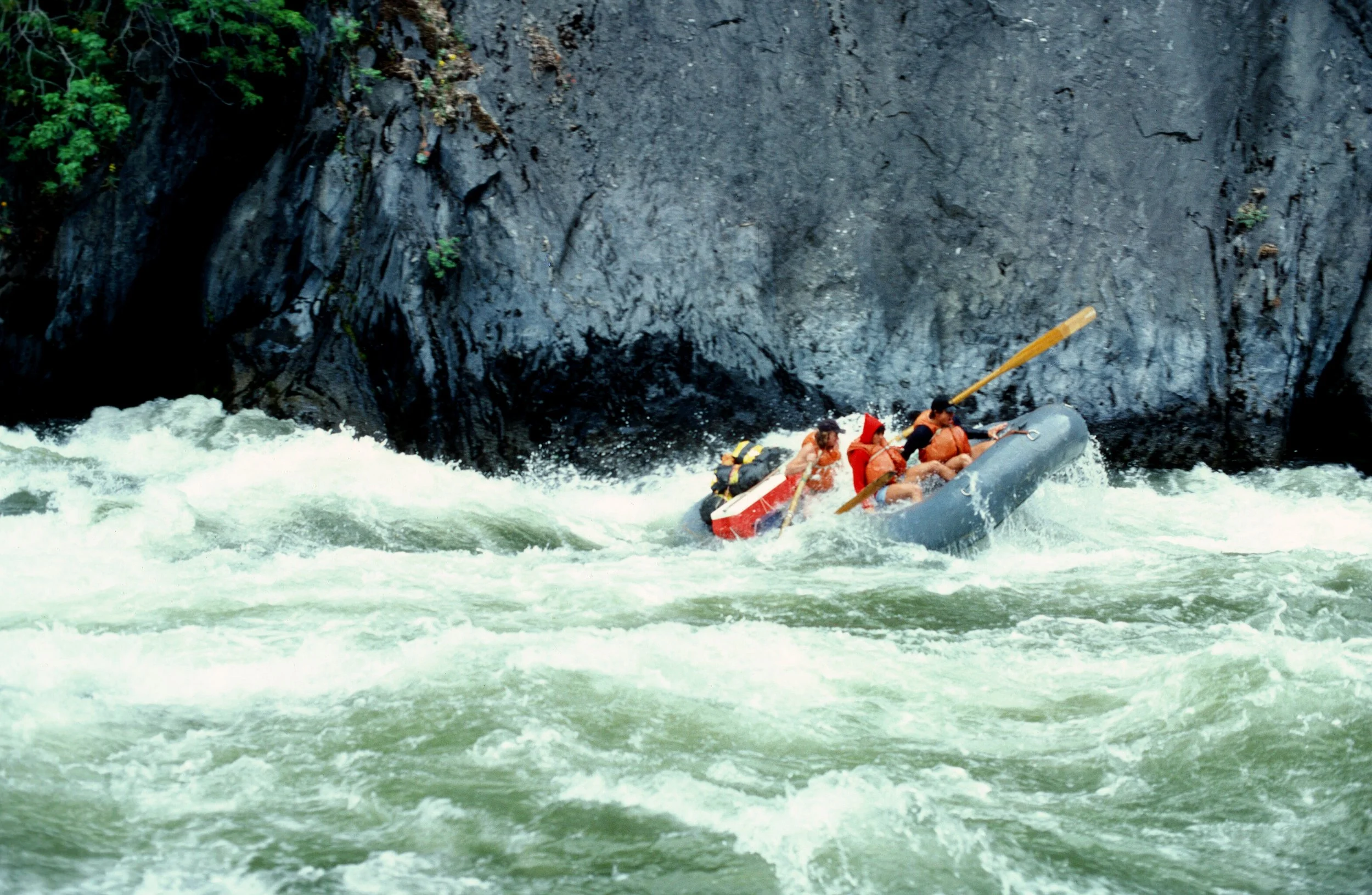
Photos by Don Briggs
Forty-two years ago today, on September 28, 1984, Congress protected 83 miles of the Tuolumne River as a Wild and Scenic River. The designation closed the door on new dams along the river's protected stretches in Yosemite National Park and Stanislaus National Forest.
That protection took 16 years of organizing by people who knew and loved the Tuolumne. Their campaign is also where our own story begins, because Yosemite Rivers Alliance started out in that fight as the Tuolumne River Preservation Trust.
A plan for four dams
In 1968, the City of San Francisco announced the Clavey–Wards Ferry Project, a proposal to build up to four dams on the Tuolumne, the Clavey, and the North and South Forks of the Tuolumne, mainly to generate hydroelectric power. The dams would have turned long stretches of free-flowing river into reservoirs.
The same year brought a new tool for protecting rivers. President Johnson signed the Wild and Scenic Rivers Act, which lets Congress keep selected rivers in free-flowing condition for the benefit of present and future generations.
In 1969, a group of river advocates gathered on a flat rock near Lumsden Bridge and formed the Tuolumne River Conference, a Sierra Club task force with one goal. They wanted the Tuolumne protected under that new law.
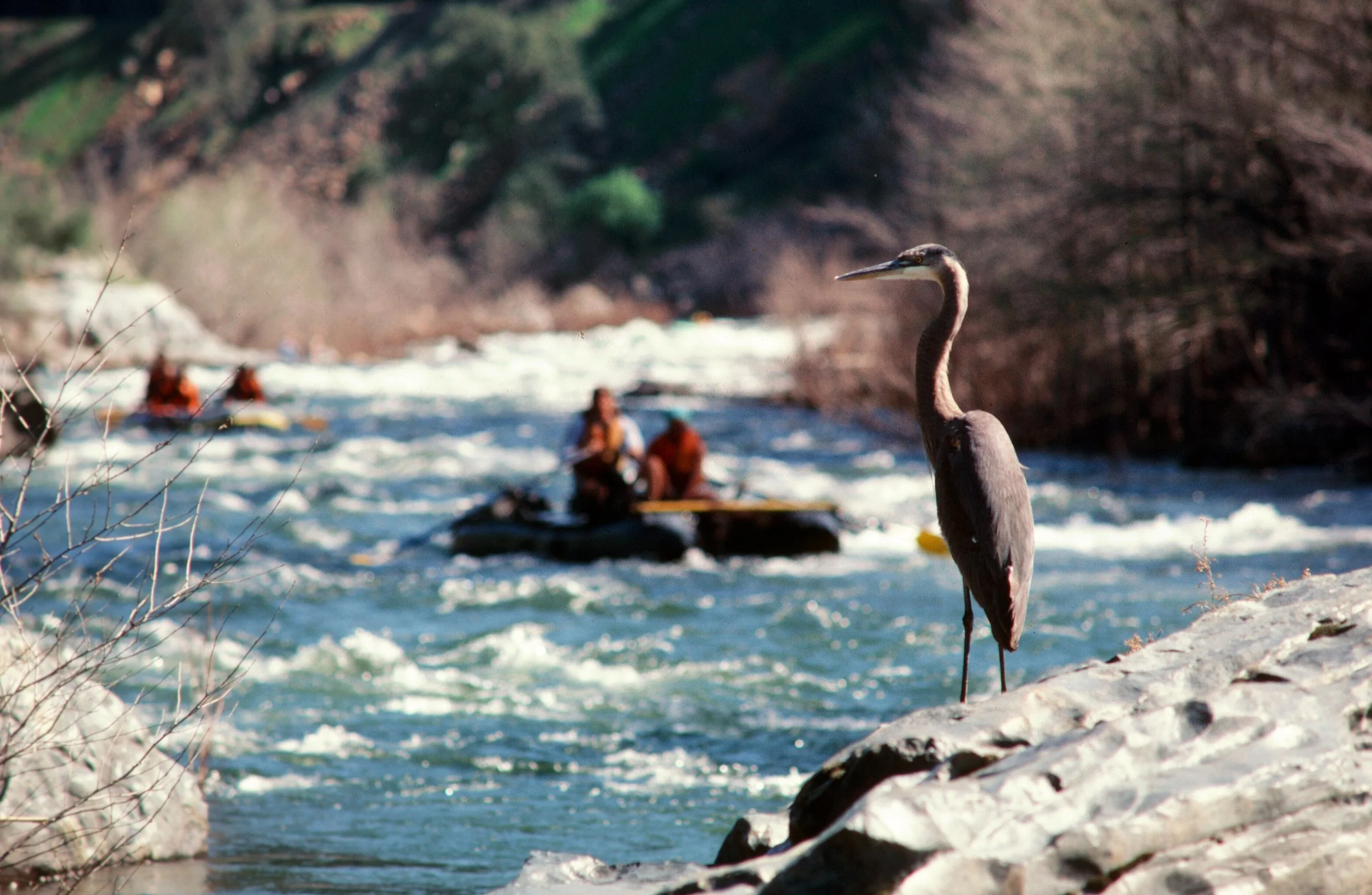
Photo credit Don Briggs
Building a coalition
In 1979, the Stanislaus National Forest finished a study that found the Tuolumne eligible for Wild and Scenic designation and favored protection over dams. Under the law, that finding put a three-year hold on development while Congress weighed the recommendation.
Meanwhile, the fight to save the neighboring Stanislaus River from being dammed had been lost. River advocates took that loss hard, and they were determined not to lose the Tuolumne too. In 1981, with less than a year of study protection left, rafters, kayakers, anglers, family camp supporters, and other Tuolumne lovers came together to form the Tuolumne River Preservation Trust.
The hold expired in 1982, and San Francisco and the Modesto and Turlock irrigation districts recommitted to the dam project. The Trust answered with a media campaign that generated letters from all kinds of Californians to freshman Senator Pete Wilson. He received more letters about the Tuolumne than about any other issue before Congress. His support, added to that of Senator Alan Cranston and Congressman Rick Lehman, was the last piece needed to pass protection.
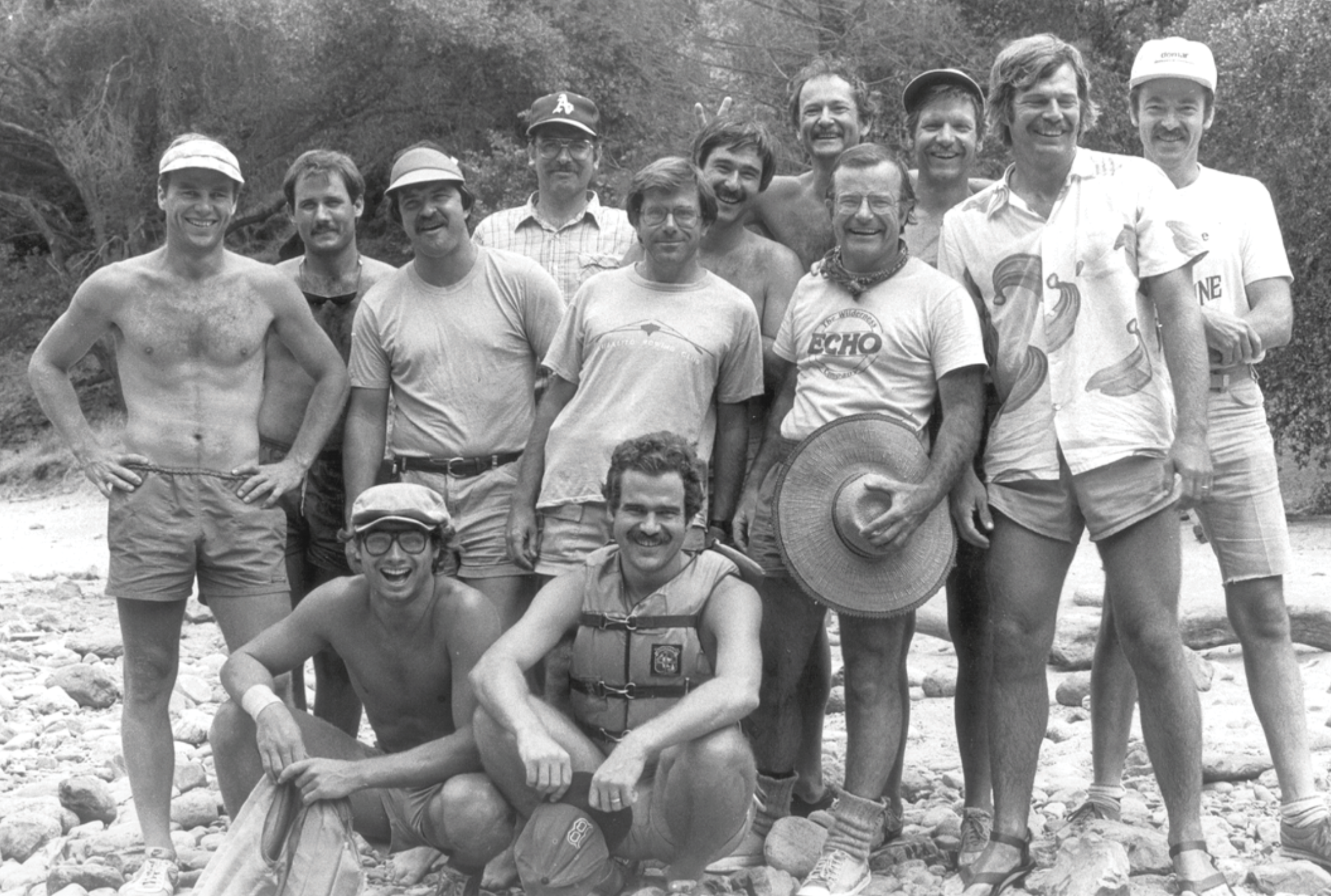
Tuolumne River Outfitters & Guides - Congressional Trip - July 20, 1984. Back Row: Steve Grove Steve Cutright Alvin Greenberg Don Briggs Dick Linford George Wendt. Mid Row: Steve Welch Bob Ferguson Bob Volpert Joe Daly Marty McDonnell. Front Row: Jim Ritter Michael O'Malley.
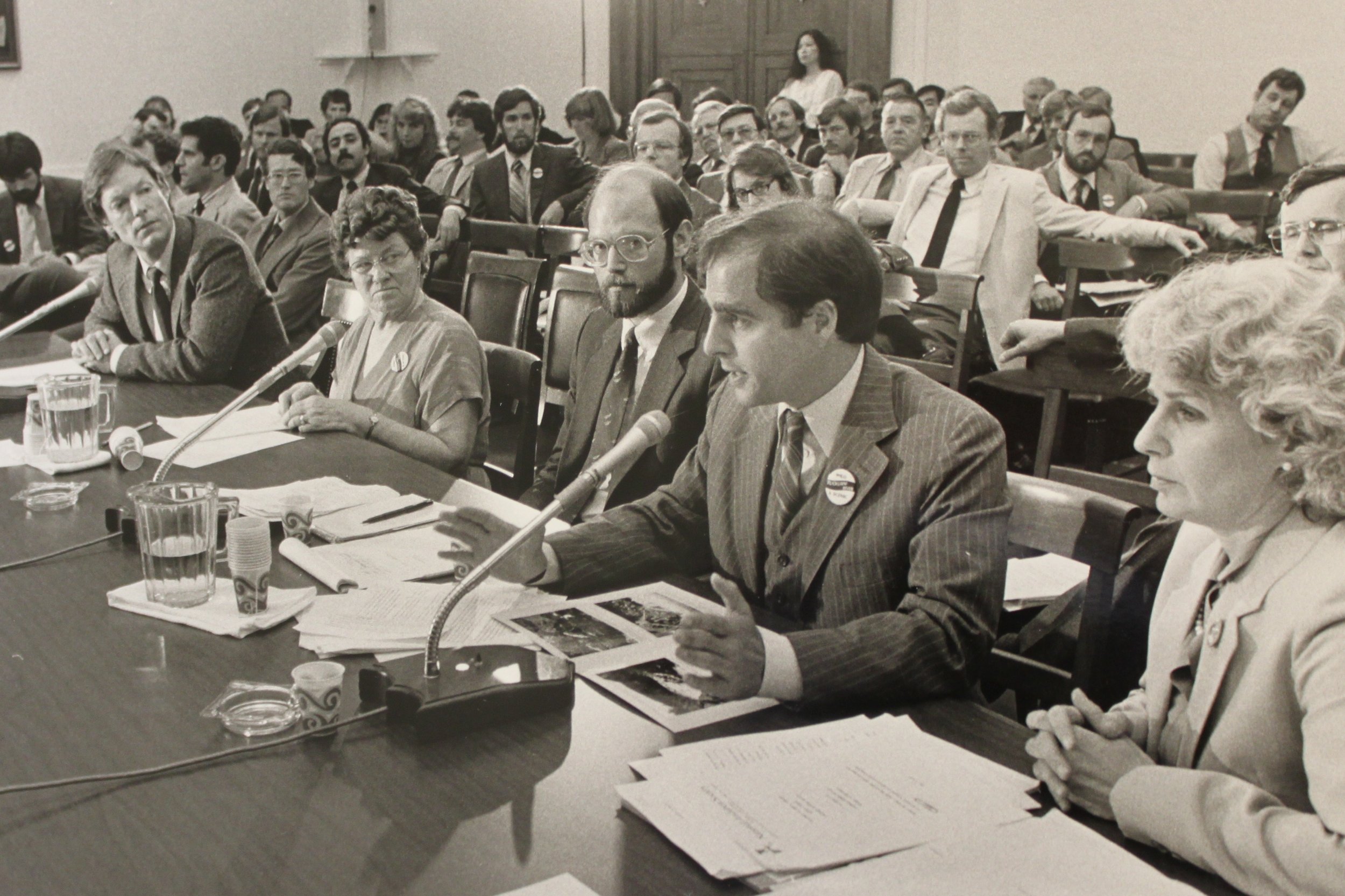
John Amodio, the Trust's first executive director, testifying before Congress in favor of Wild and Scenic status.
Victory on September 28, 1984
In the summer of 1984, Tuolumne River outfitters and guides took members of Congress down the river so they could see what was at stake for themselves. Two months later, Congress added the Tuolumne to the National Wild and Scenic Rivers System as part of the California Wilderness Act, and President Reagan signed it into law.
The designation protects 83 miles of the Tuolumne. Of those, 47 miles are classified as wild, 23 as scenic, and 13 as recreational.
The win came from a coalition of unlikely allies. Commercial whitewater outfitters, private boaters, anglers, and local businesses worked alongside elected officials from both parties. The campaign has since been described as one of the greatest victories in the history of the Wild and Scenic Rivers system.
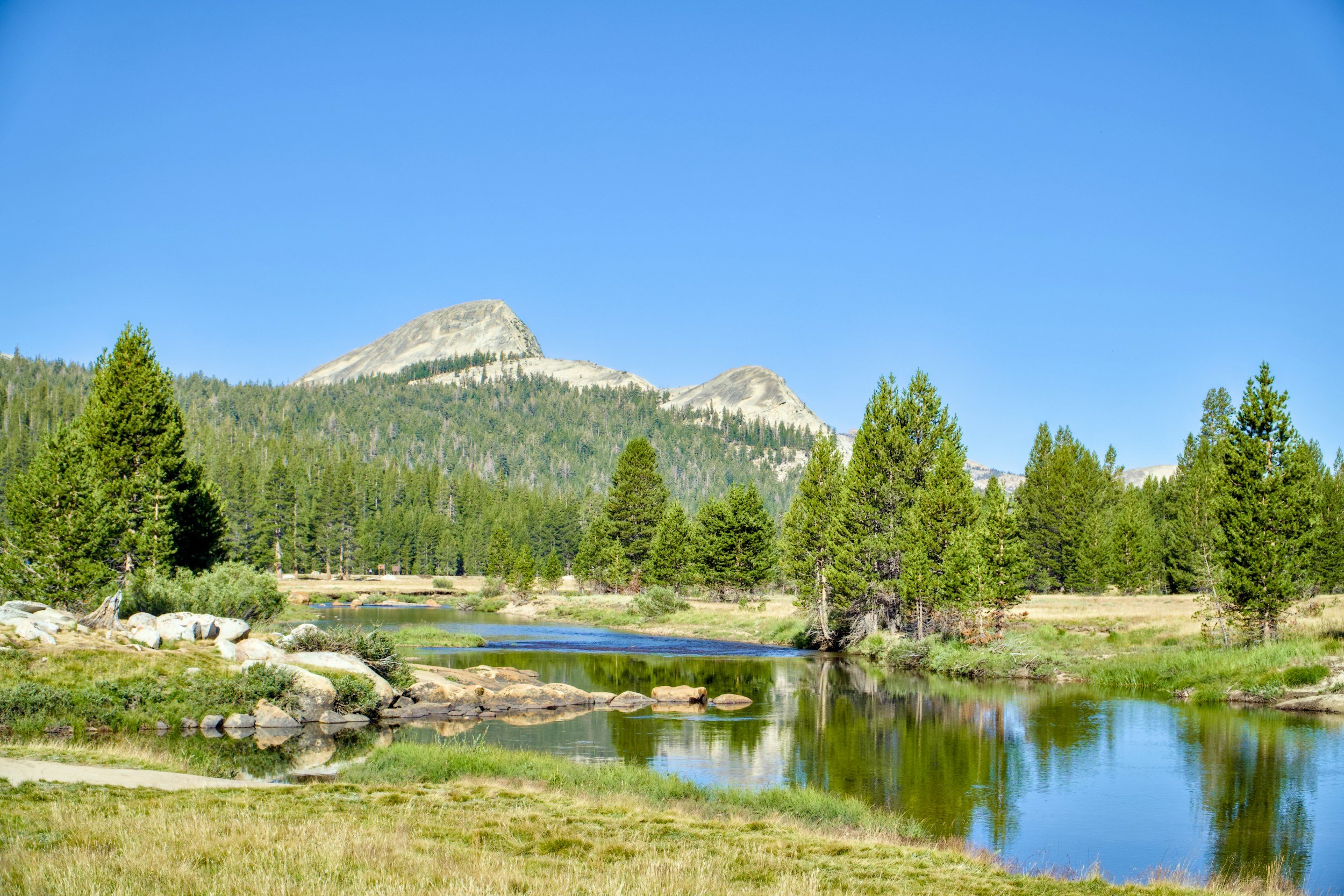
The Tuolumne today
Forty-two years later, the protected Tuolumne still runs free. People raft its whitewater canyons, fish its pools, and hike along its banks because a group of river lovers refused to let it go. The river also supplies drinking water to millions of people in the Bay Area and irrigates farmland across the Central Valley.
The work isn't finished. Wild and Scenic status protects the river's upper reaches, but the Tuolumne and its neighbors face new pressure from drought, wildfire, and competing demands for water. Rivers in our region that once supported more than 100,000 salmon each now see only a few thousand. Our advocacy has grown with those challenges, and today we restore habitat, plant trees, and push for healthy river flows across the Tuolumne, Stanislaus, and Merced watersheds.
Share your Tuolumne story
Were you part of the campaign to save the Tuolumne, or do you have photos and memories of the river from those years? We'd love to hear from you. Reach out through our contact page at yosemiterivers.org or send us an email at staff@yosemiterivers.org.
The people who saved the Tuolumne showed what a community can do for a river it loves. You can carry that work forward today. Donate to help keep Yosemite flowing.
